Hyoscyamus labiatus
Image: bobasil (cc-by-nc)
NameHyoscyamus labiatus
Scientific NameHyoscyamus labiatus
Common NamesHenbane, Indian Henbane
Plant FamilySolanaceae
Natural HabitatNative to parts of Asia, it thrives in dry, rocky, or sandy soils, waste places, and along roadsides.
Parts Usedleaf,seed
Medicinal Actionsanalgesic, sedative
Traditional UsesHistorically employed as a potent narcotic and sedative to alleviate pain, induce sleep, and calm nervous excitement. It was also used for its antispasmodic properties, particularly for conditions like asthma and whooping cough, and externally for neuralgia and rheumatism, always with extreme caution due to its high toxicity.
Active ConstituentsHyoscyamine, Scopolamine, Atropine
Preparation Methodsinfusion, tincture, poultice, powder
Contraindications & WarningsExtremely toxic and potentially fatal if misused. Contraindicated in pregnancy, breastfeeding, glaucoma, prostatic hypertrophy, heart conditions, and when combined with other central nervous system depressants or anticholinergic drugs. Can cause severe side effects including dry mouth, blurred vision, hallucinations, delirium, and coma.
Cultivation NotesPrefers well-drained, sandy or loamy soil and full sun, tolerating some drought. Propagated by seed. All parts are toxic; handle with gloves.
Rarityuncommon
Description
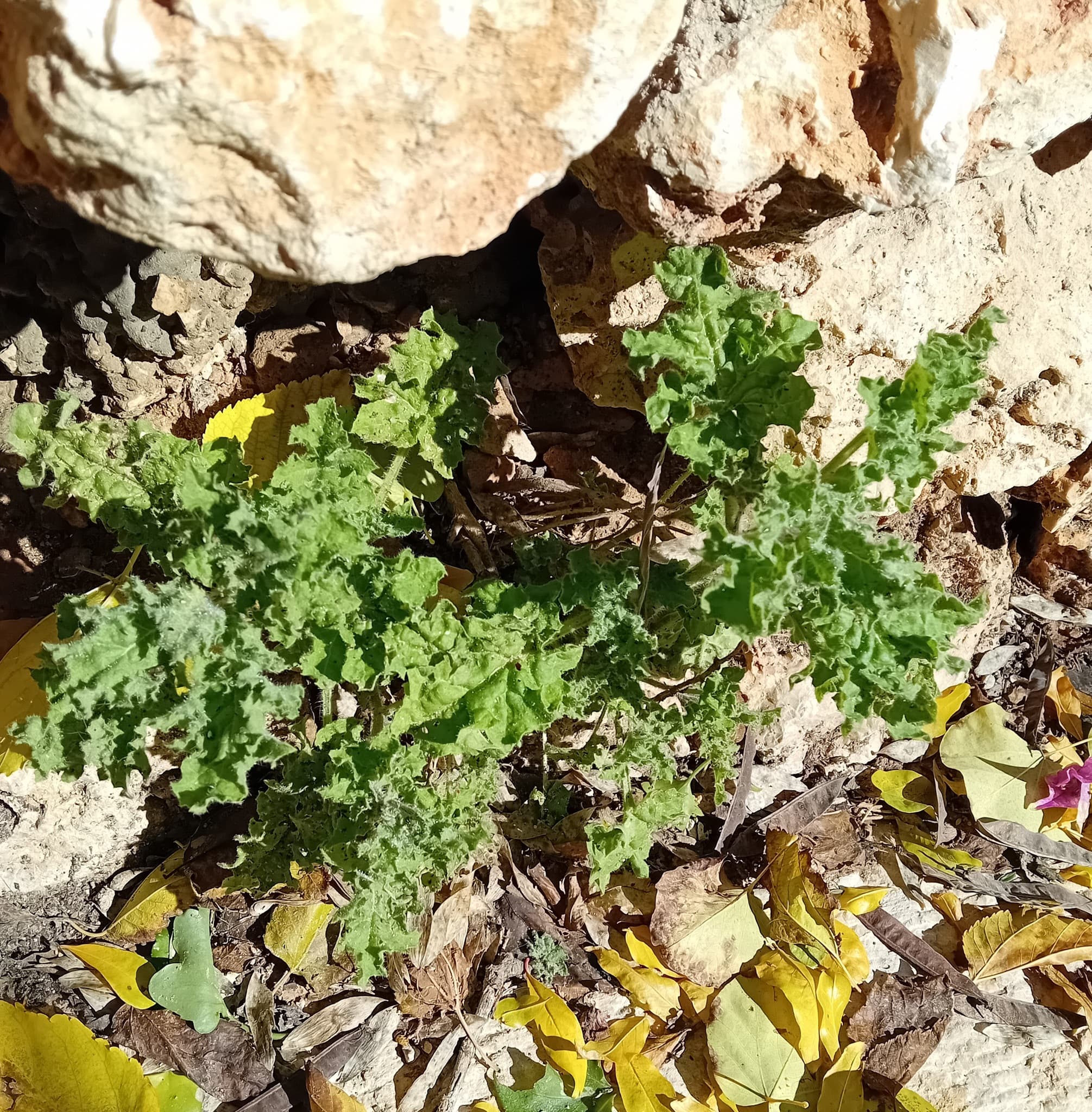
Hyoscyamus labiatus is an annual or biennial herbaceous plant, typically growing up to 60 cm tall. It features soft, hairy, and often sticky leaves that are deeply lobed or toothed, and produces bell-shaped flowers, often yellowish with purple veins.