Hydrangea robusta
NameHydrangea robusta
Scientific NameHydrangea robusta
Common NamesRobust Hydrangea
Plant FamilyHydrangeaceae
Natural HabitatNative to the mountainous regions of the Himalayas and parts of East Asia, it thrives in moist, shaded to partially shaded forest understories and along stream banks at higher elevations.
Parts Usedroot
Medicinal Actionsdiuretic, anti-inflammatory, astringent
Traditional UsesTraditionally, the root of Hydrangea species, including H. robusta, has been used to address urinary tract issues such as kidney stones, bladder infections, and prostate enlargement. It is believed to help dissolve urinary calculi and soothe irritation in the urinary passages.
Active Constituentshydrangin, saponins, flavonoids, volatile oils
Preparation Methodsdecoction, tincture, powder
Contraindications & WarningsNot recommended for use during pregnancy or breastfeeding. Individuals with kidney disease should use with caution and under professional guidance. Large doses may cause gastrointestinal upset.
Cultivation NotesThis plant prefers moist, well-drained, acidic to neutral soil and thrives in partial shade. It requires consistent moisture, especially during dry periods, and can be grown in USDA hardiness zones 6-9.
Raritycommon
Description
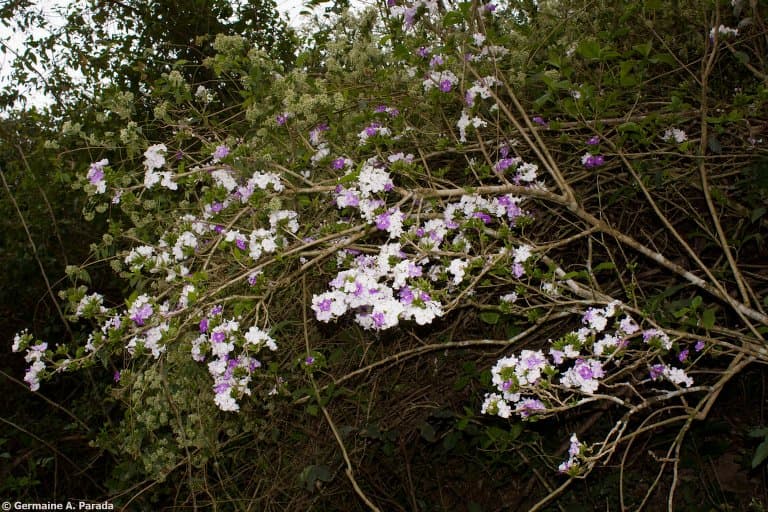
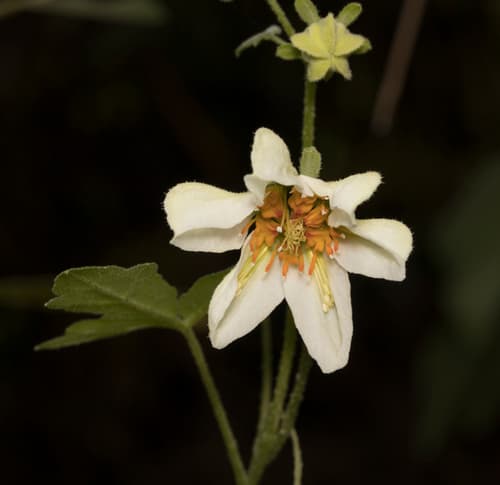
Hydrangea robusta is a large, deciduous shrub characterized by its robust growth, large ovate-elliptic leaves, and prominent lacecap inflorescences. The flowers typically display shades of blue or purple, depending on soil acidity, with smaller fertile florets surrounded by larger sterile ray florets.