Hydrangea tarapotensis
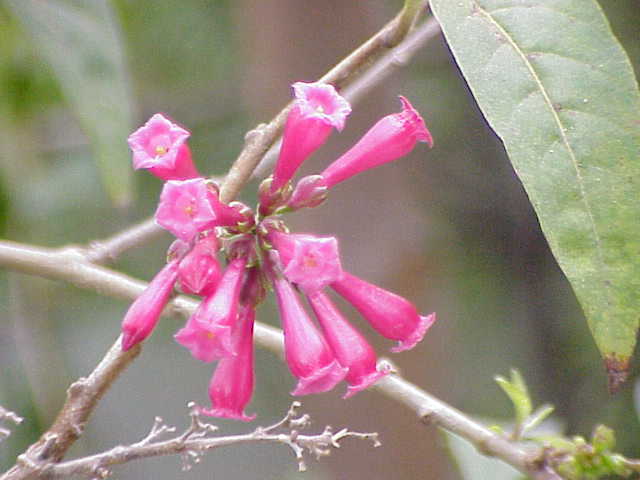
Image: Alfredo F. Fuentes (cc-by-nc)
NameHydrangea tarapotensis
Scientific NameHydrangea tarapotensis Briq.
Common NamesNone widely known for this specific species
Plant FamilyHydrangeaceae
Natural HabitatNative to humid montane forests of the Andean regions, particularly in Peru.
Parts Usedroot,flower
Medicinal Actionsdiuretic, anti-inflammatory
Traditional UsesTraditionally, related Hydrangea species have been used to treat conditions of the urinary tract, such as kidney stones, bladder infections, and prostate issues. It is believed to increase urine flow and aid in the expulsion of urinary calculi.
Active ConstituentsHydrangin, Saponins, Flavonoids, Volatile oils
Preparation Methodsdecoction, infusion, tincture
Contraindications & WarningsCan cause gastrointestinal upset (nausea, vomiting, diarrhea) in large doses. Contains cyanogenic glycosides, which can be toxic. Use with caution by pregnant/breastfeeding women and individuals with kidney disease.
Cultivation NotesPrefers moist, well-drained, rich organic soil and partial shade. Thrives in conditions mimicking its native humid montane forest environment.
Rarityuncommon
Description
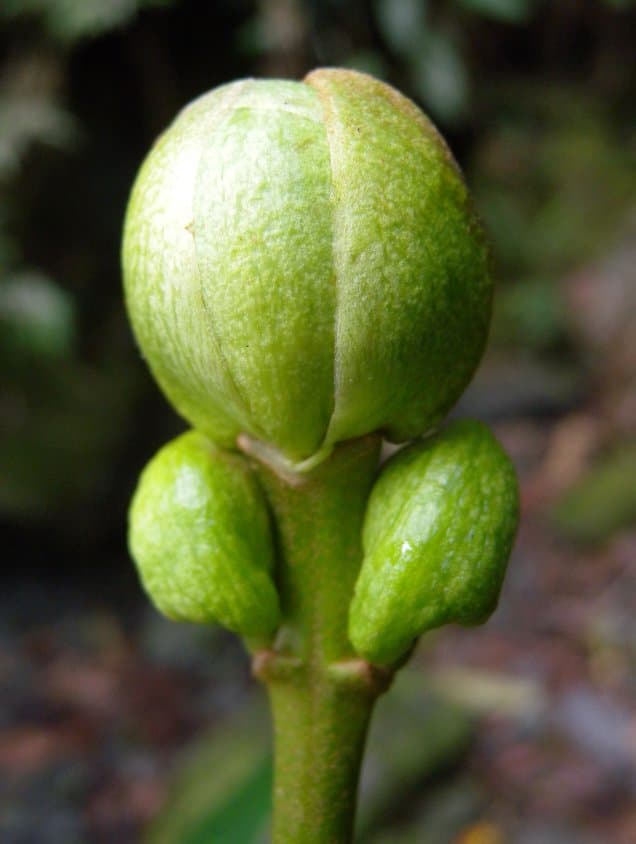
Hydrangea tarapotensis is a species of flowering shrub or small tree native to the Andean regions of South America. It features opposite leaves and produces clusters of flowers, seen here as developing green buds.