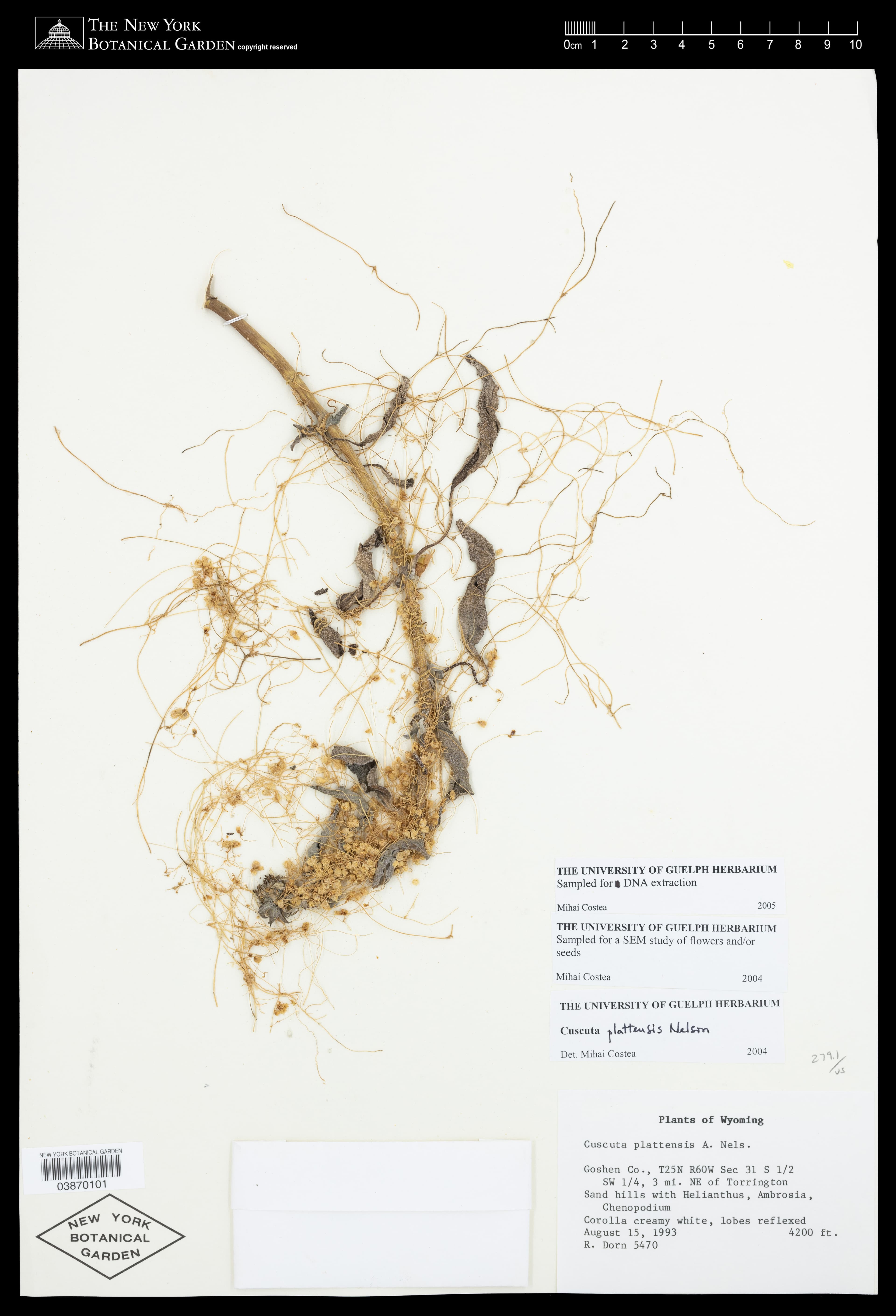
prairie dodder
Image: The New York Botanical Garden (cc-by)
Nameprairie dodder
Scientific NameCuscuta plattensis A.Nelson
Common NamesPrairie Dodder, Dodder
Plant FamilyConvolvulaceae
Natural HabitatFound in dry, sandy habitats, often in sand hills, where it parasitizes various host plants such as Helianthus (sunflower), Ambrosia (ragweed), and Chenopodium (goosefoot). It is native to parts of North America, including Wyoming, at elevations around 4200 ft.
Parts Usedwhole_plant,seed
Medicinal Actionsadaptogen, antioxidant, anti-inflammatory, diuretic
Traditional UsesSpecies of Cuscuta, including related dodders, are traditionally used in herbal medicine, particularly in Traditional Chinese Medicine (where Cuscuta chinensis is known as Tu Si Zi). They are employed to tonify the kidneys and liver, improve vision, and address conditions such as impotence, premature ejaculation, frequent urination, and chronic diarrhea. It is also used to support overall vitality and address general debility.
Active ConstituentsFlavonoids, Lignans, Polysaccharides
Preparation Methodsinfusion, decoction, powder, tincture
Contraindications & WarningsGenerally contraindicated in cases of excess heat or damp-heat conditions. Due to its parasitic nature, it should be used with caution and under expert guidance. Pregnant individuals should avoid its use.
Cultivation NotesPrairie dodder is an obligate parasitic plant, meaning it cannot be cultivated without a suitable host plant. It germinates from seed and then attaches to a host, drawing nutrients through specialized structures called haustoria. Cultivation is typically not undertaken for medicinal purposes but rather for ecological study.
Raritycommon
Description
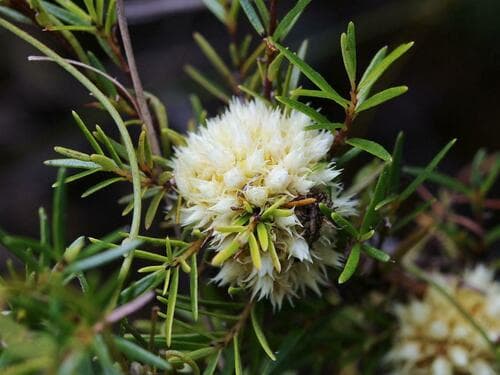
A parasitic annual vine characterized by its thin, thread-like, yellowish-brown, leafless stems that twine extensively around host plants. It produces dense clusters of small, creamy white flowers with reflexed lobes, as observed in the dried herbarium specimen.