Hydrangea tarapotensis
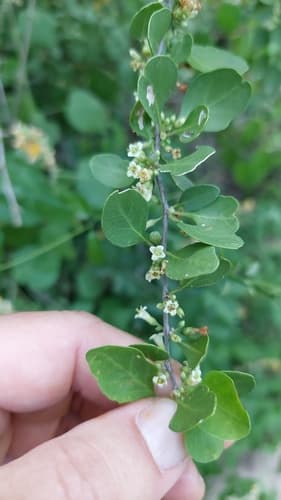
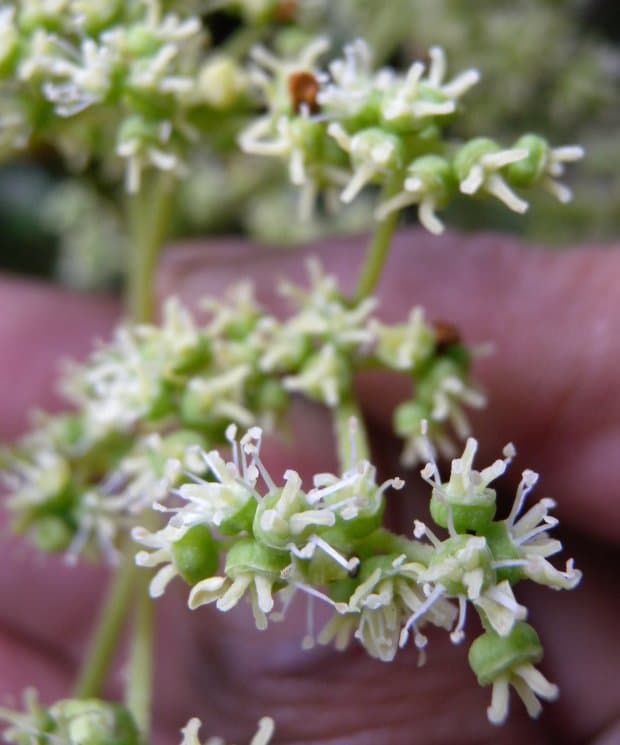
Image: Alfredo F. Fuentes (cc-by-nc)
NameHydrangea tarapotensis
Scientific NameHydrangea tarapotensis Briq.
Common NamesTarapoto Hydrangea
Plant FamilyHydrangeaceae
Natural HabitatNative to montane cloud forests and humid slopes of the Andes in South America, particularly found in Peru and Ecuador, at elevations typically above 1500 meters.
Parts Usedroot
Medicinal Actionsdiuretic, anti-inflammatory
Traditional UsesWhile specific traditional uses for Hydrangea tarapotensis are not well-documented, other species within the Hydrangea genus, particularly H. arborescens, have been traditionally used for urinary tract issues, kidney stones, bladder infections, and prostate health due to their diuretic and lithotriptic properties. These actions are generally attributed to the root.
Active Constituentshydrangin, saponins, flavonoids
Preparation Methodsdecoction, tincture, powder
Contraindications & WarningsDue to the presence of potentially toxic compounds (like cyanogenic glycosides in some Hydrangea species) and its diuretic action, caution is advised. Potential side effects may include gastrointestinal upset. Not recommended for pregnant or breastfeeding women, or individuals with kidney disease without professional guidance.
Cultivation NotesPrefers moist, well-drained, acidic to neutral soil and partial shade, mimicking its native montane forest habitat. Requires consistent moisture and protection from harsh sun, especially in warmer climates.
Rarityuncommon
Description
This plant is a shrub or small tree, native to the Andean regions of South America. The image displays its inflorescence, characterized by numerous small, greenish-white fertile flowers, each featuring prominent stamens and pistils, arranged in a clustered form.