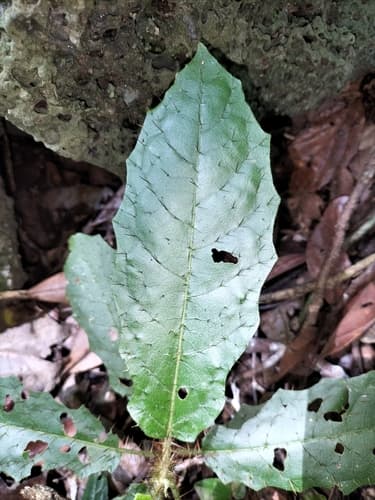
Solanum macoorai
NameSolanum macoorai
Scientific NameSolanum macoorai
Common NamesMacoorai Nightshade, Macoorai Potato Bush
Plant FamilySolanaceae
Natural HabitatEndemic to northeastern Queensland, Australia, it grows in rainforest margins, open eucalypt forests, and disturbed areas, often along roadsides or forest edges.
Parts Usedleaf
Medicinal Actionsanti-inflammatory, antimicrobial
Traditional UsesSpecific traditional medicinal uses for Solanum macoorai by Indigenous Australians are not widely documented in public ethnobotanical literature. However, other Solanum species in Australia have been traditionally used for various ailments, including skin conditions and pain relief, often with careful preparation due to toxicity.
Active ConstituentsSteroidal glycoalkaloids
Preparation Methodspoultice
Contraindications & WarningsDue to the likely presence of toxic steroidal glycoalkaloids, Solanum macoorai should be considered potentially toxic. Contraindications include internal consumption, pregnancy, lactation, children, and individuals with liver or kidney conditions, or known sensitivity to Solanaceae plants. External use should also be approached with caution.
Cultivation NotesThis plant prefers well-drained soil and can tolerate full sun to partial shade. It is adapted to tropical and subtropical climates and can be quite hardy once established.
Rarityuncommon
Description
Solanum macoorai is a thorny shrub or small tree, typically growing 1-4 meters tall. Its large, ovate to elliptic leaves are often deeply lobed or sinuate, dark green, and densely covered with sharp prickles, especially along the veins on both surfaces. The stems are also heavily armed with prickles.