Cestrum glomeratum
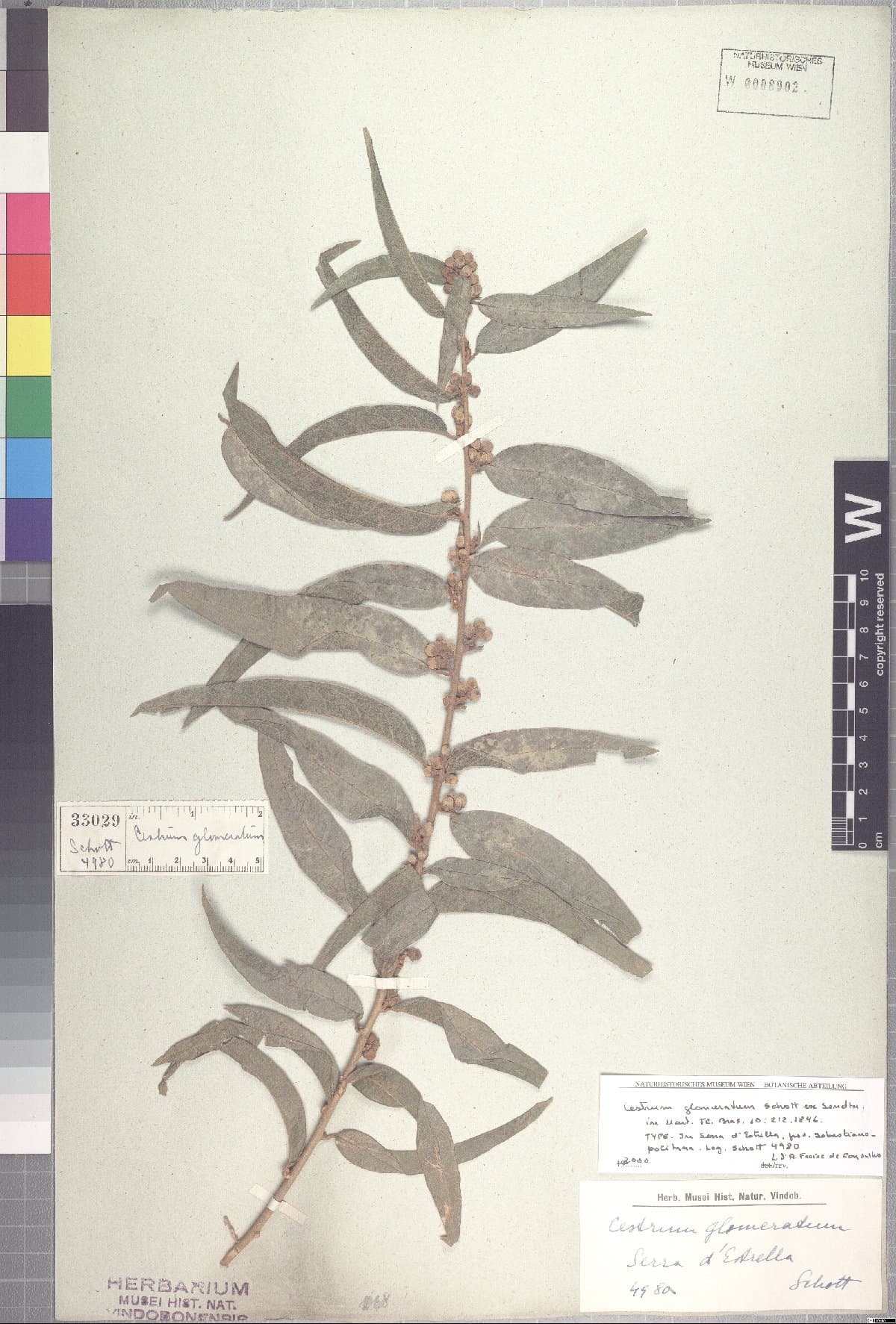
Image: Schott,H.W. 4980 (cc-by)
NameCestrum glomeratum
Scientific NameCestrum glomeratum Schott ex Sendtn.
Plant FamilySolanaceae
Natural HabitatNative to South America, specifically documented in the Serra d'Estrella region of São Paulo, Brazil. It typically thrives in tropical or subtropical environments, potentially in mountainous or hilly areas.
Parts Usedleaf,flower,fruit
Medicinal Actionsanti-inflammatory, analgesic
Traditional UsesWhile specific traditional uses for Cestrum glomeratum are not widely documented, other species within the Cestrum genus have been traditionally used in some cultures for their anti-inflammatory and analgesic properties. These applications often involve external use or very small, carefully prepared internal doses for conditions like fever or pain, always with extreme caution due to the genus's known toxicity.
Active Constituentssteroidal saponins, glycoalkaloids
Preparation Methodsinfusion, decoction
Contraindications & WarningsAll parts of Cestrum glomeratum, like many Cestrum species, are considered toxic due to the presence of steroidal glycoalkaloids and saponins. Ingestion can cause severe gastrointestinal upset, neurological symptoms, and liver damage. It should not be ingested by humans or animals.
Cultivation NotesThis species likely prefers tropical to subtropical climates, requiring well-drained soil and ample sunlight. Its cultivation would be consistent with conditions found in its native Brazilian habitat.
Rarityuncommon
Description
Cestrum glomeratum is a woody shrub or small tree characterized by alternate, simple, and somewhat leathery leaves. The specimen displays clusters of small, round structures, likely developing fruits or flower buds, arranged along the stem axils.