Hydrangea sousae
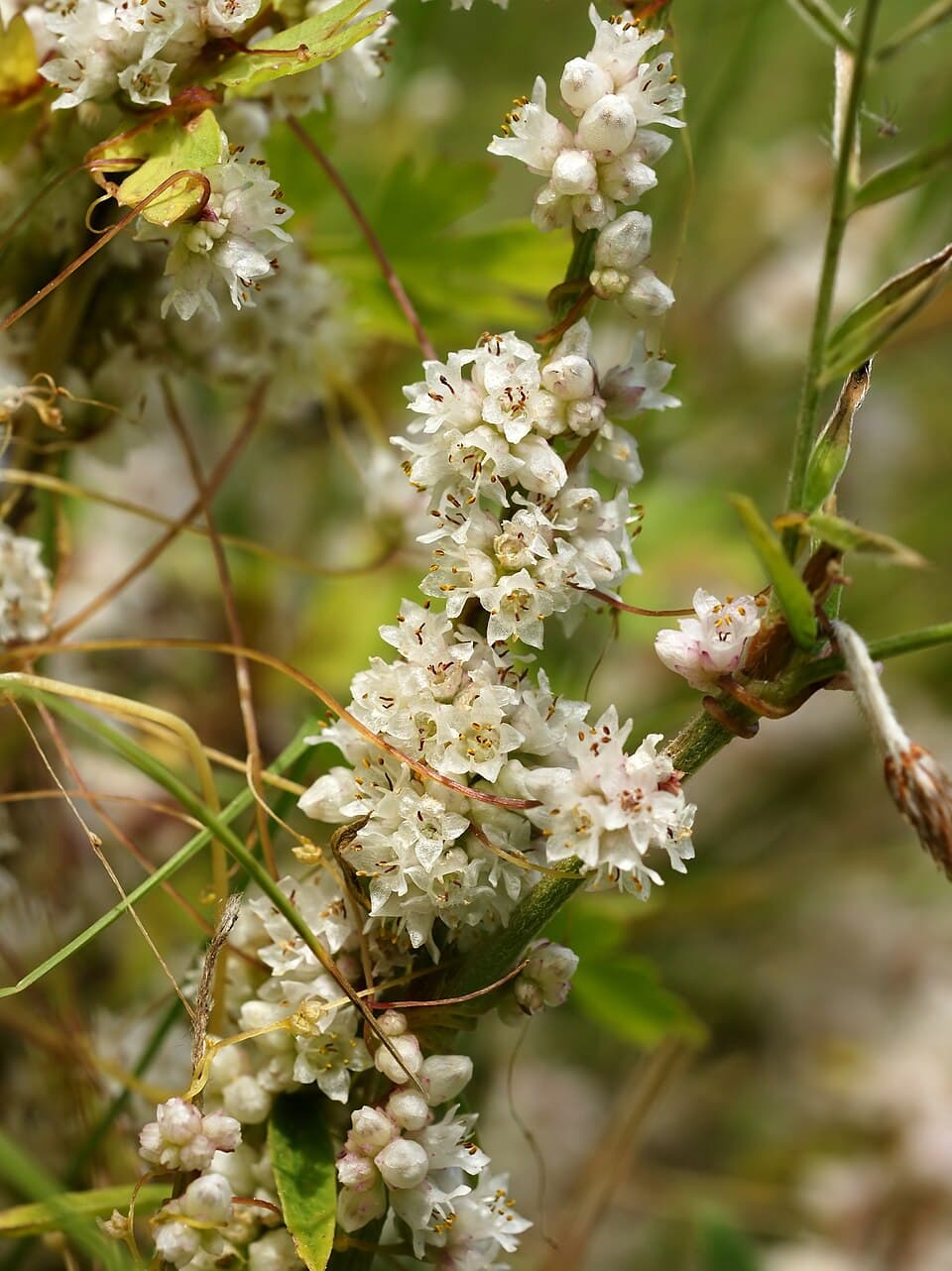
Image: Fabrizzio Ausensi (cc-by-nc)
NameHydrangea sousae
Scientific NameHydrangea serratifolia (Hook. & Arn.) F.Phil.
Common NamesChilean Climbing Hydrangea, Climbing Hydrangea
Plant FamilyHydrangeaceae
Natural HabitatNative to temperate rainforests and moist woodlands of Chile and Argentina, typically found climbing on trees, rocks, or cliffs.
Parts Usedroot,leaf
Medicinal Actionsdiuretic, anti-inflammatory
Traditional UsesWhile specific traditional uses for Hydrangea serratifolia are less documented than for other Hydrangea species, the genus is generally known for its use in treating urinary tract infections, kidney stones, bladder issues, and prostate enlargement due to diuretic and anti-lithic properties.
Active ConstituentsHydrangin, saponins, flavonoids, coumarins, hydrangenol
Preparation Methodsdecoction, infusion, tincture
Contraindications & WarningsPregnant or breastfeeding women should avoid. Individuals with kidney disease or taking diuretics should use with caution. May cause gastrointestinal upset in sensitive individuals.
Cultivation NotesThrives in partial to full shade with moist, well-drained, acidic to neutral soil. Requires a sturdy support structure for climbing. Evergreen in USDA zones 7-9.
Rarityuncommon
Description
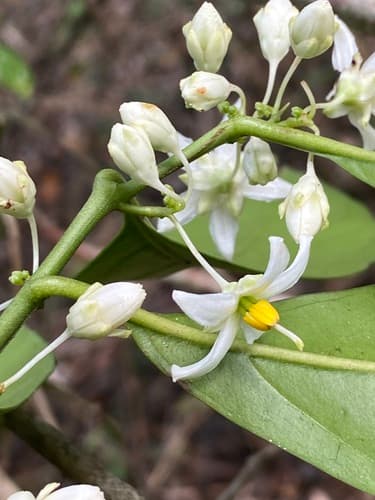
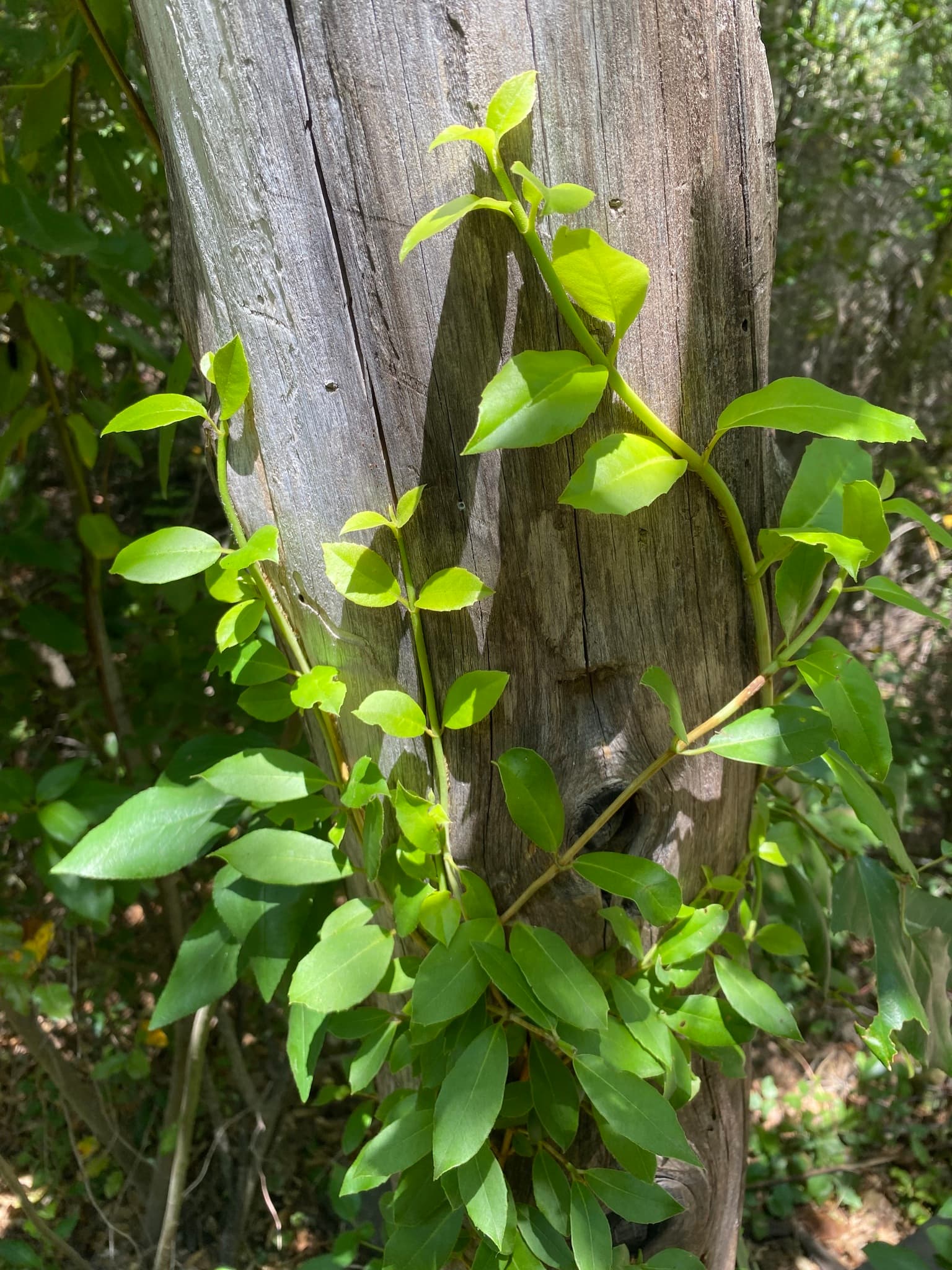
An evergreen, woody climbing shrub native to South America, characterized by its simple, ovate to lanceolate, glossy green leaves and ability to cling to surfaces via aerial roots. It produces clusters of white flowers.