Nasa trianae

Image: Linden (cc-by)
NameNasa trianae
Scientific NameNasa trianae (Urb. & Gilg) Weigend
Plant FamilyLoasaceae
Natural HabitatNative to tropical and subtropical regions of South America, specifically collected in the Mariquita province of New Granada (modern-day Colombia). It likely thrives in humid, possibly montane or submontane environments.
Parts Usedleaf,flower,whole_plant
Medicinal Actionsanalgesic, anti-inflammatory
Traditional UsesWhile specific traditional uses for *Nasa trianae* are not widely documented, other species within the genus *Nasa* (Loasaceae family) are traditionally used as counter-irritants for conditions like rheumatic pain, owing to their characteristic stinging hairs.
Contraindications & WarningsDue to the presence of stinging hairs common in the genus, direct skin contact may cause irritation, itching, or a burning sensation in sensitive individuals. Specific contraindications for internal use are unknown.
Cultivation NotesRequires a tropical or subtropical climate with adequate humidity and well-drained soil. Propagation is likely from seed or cuttings, but specific cultivation details for *Nasa trianae* are not widely published.
Rarityuncommon
Description
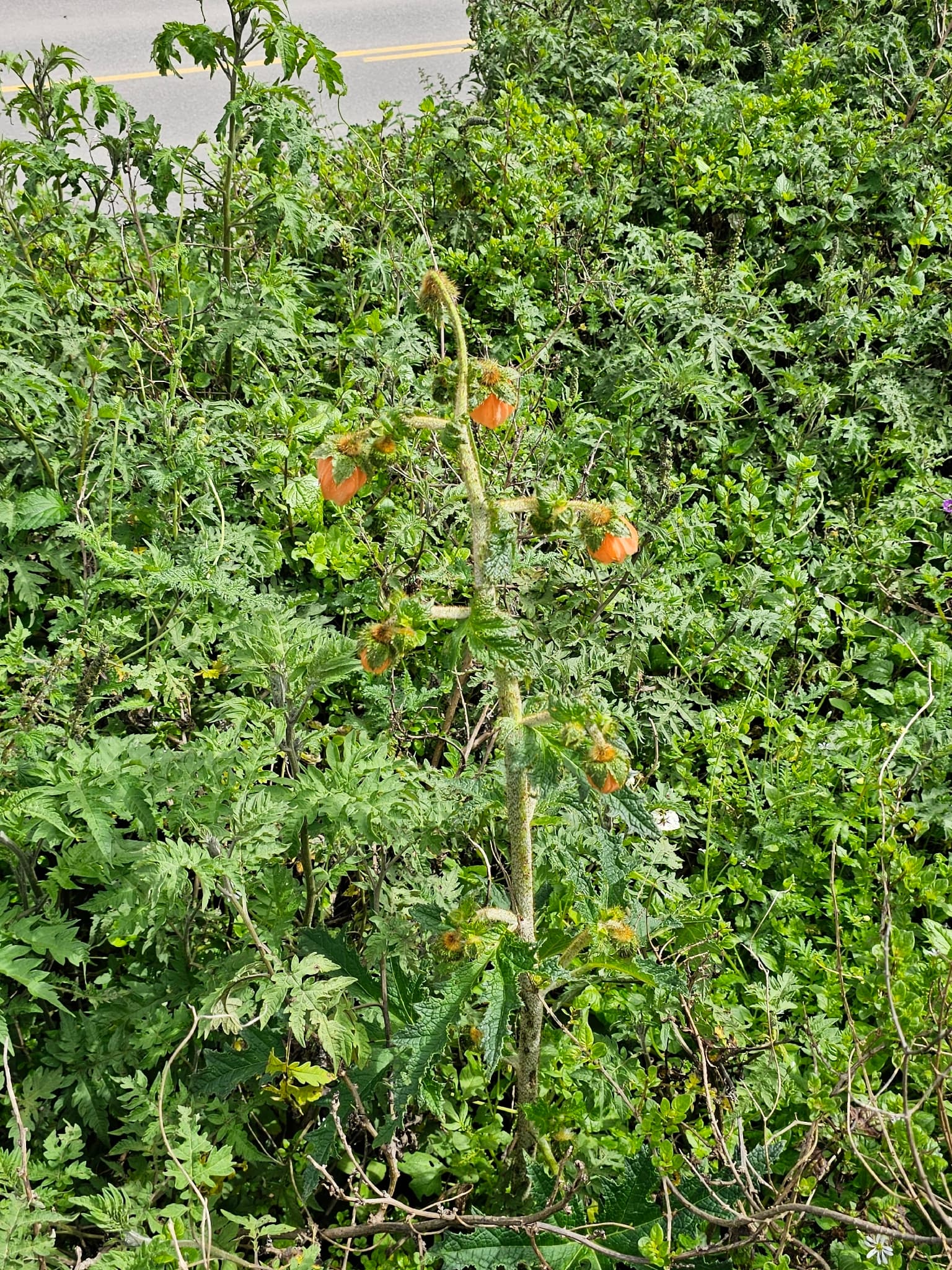
This herbaceous plant is characterized by its deeply serrated, petiolate leaves and stems covered in fine hairs, which are typically stinging in this genus. The specimen displays terminal inflorescences with developing flowers or fruits, indicative of its botanical features.