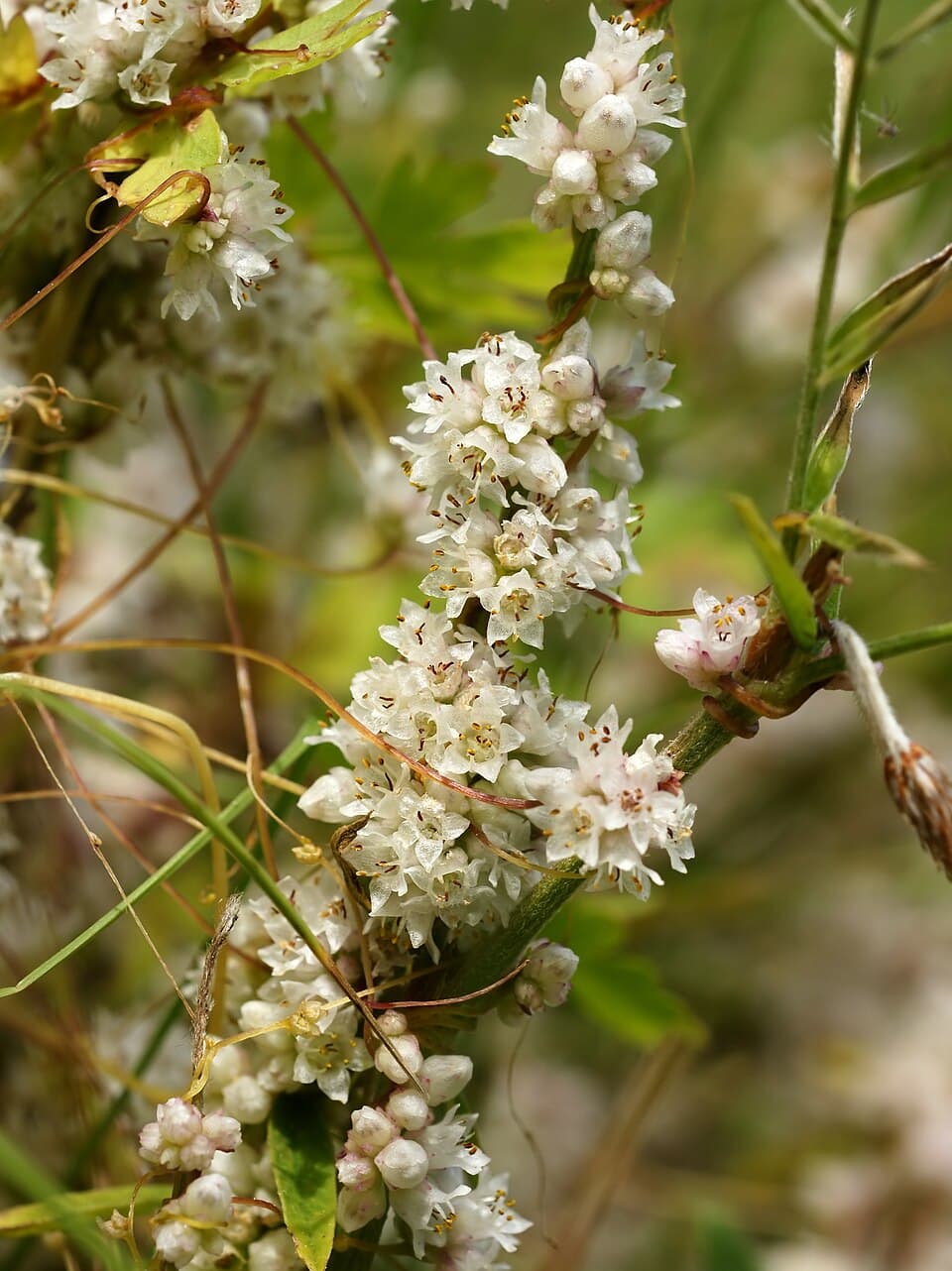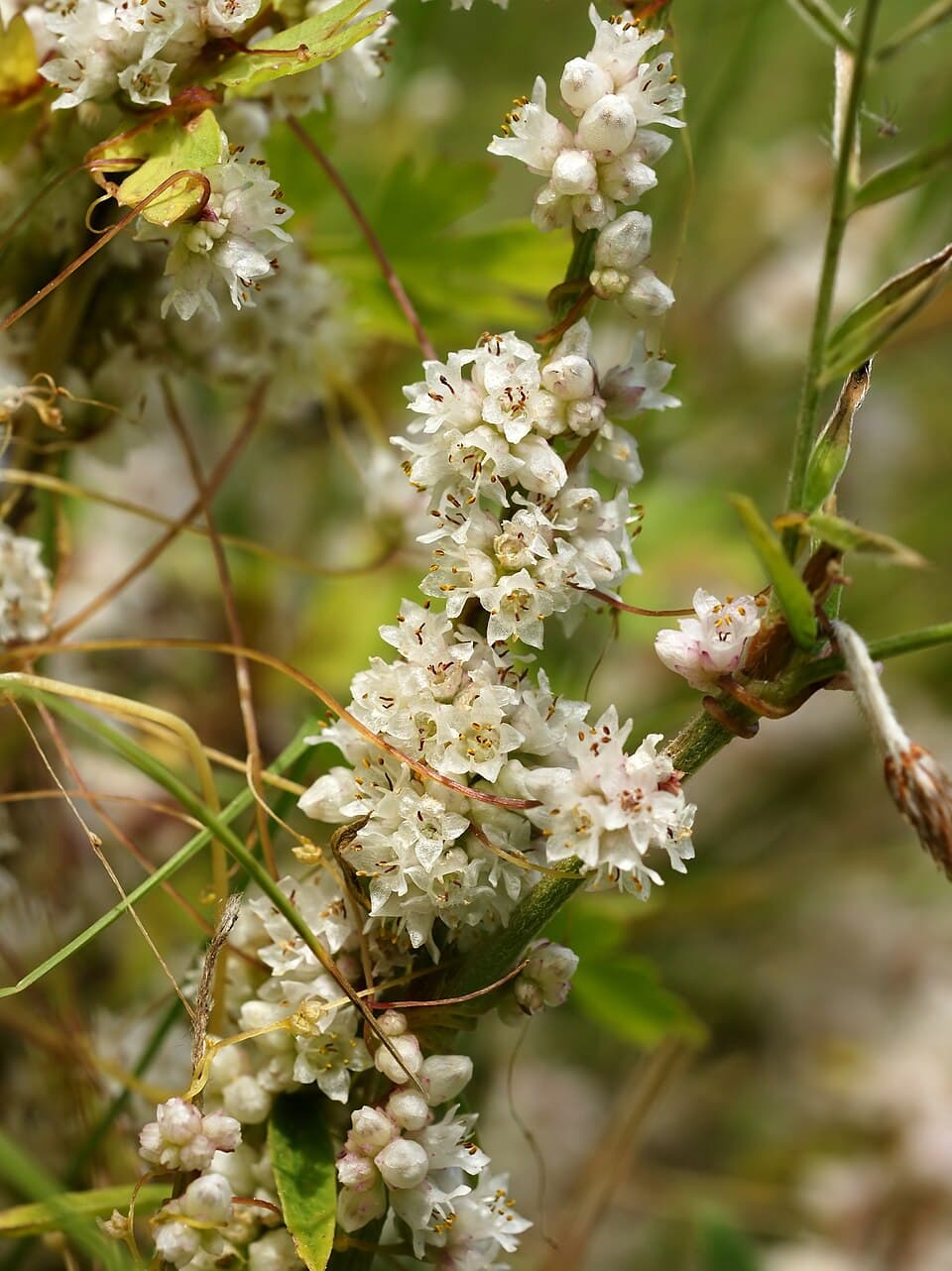
Cuscuta lindsayi
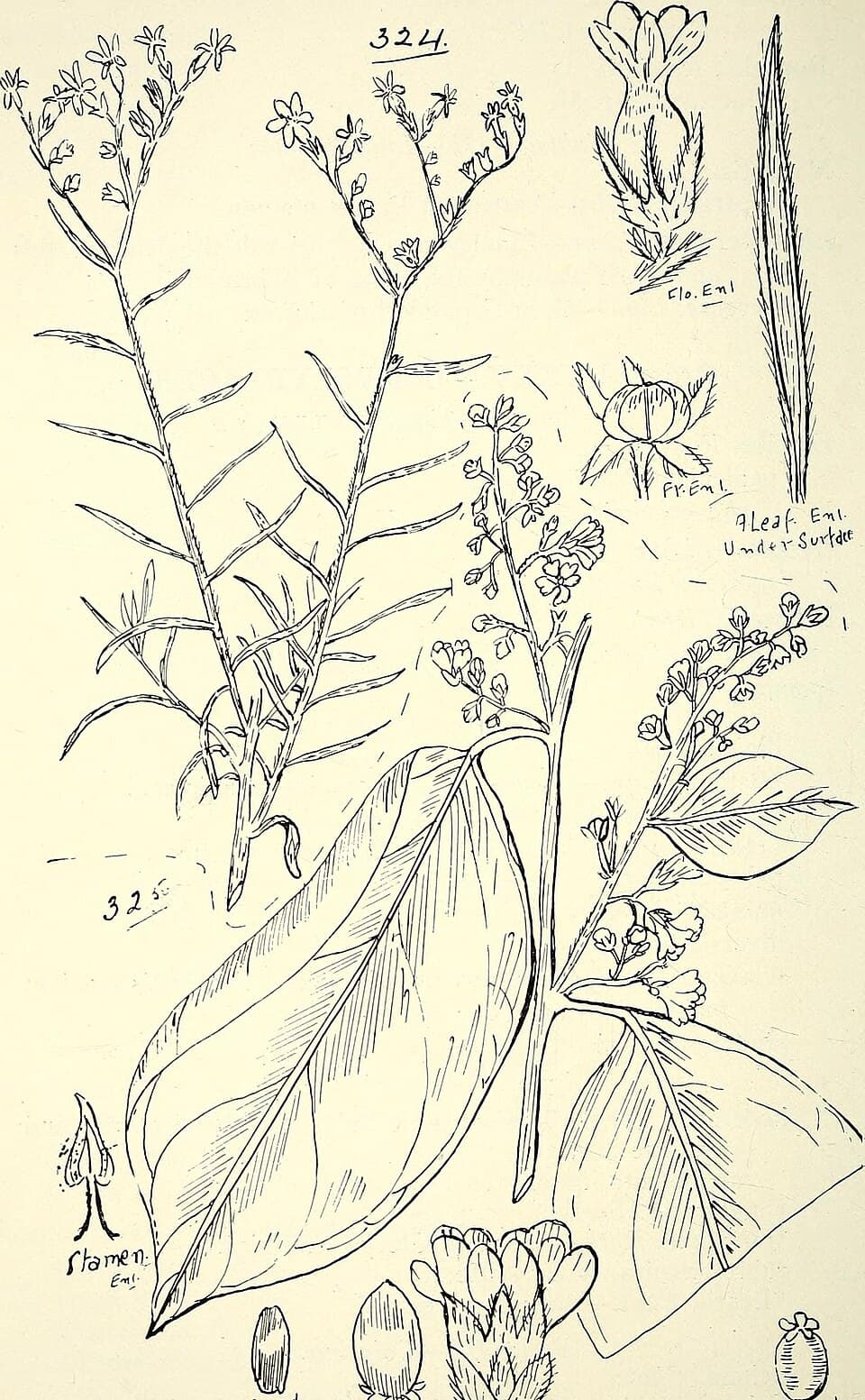
Image: Wiggins, Ira Loren (cc0)
NameCuscuta lindsayi
Scientific NameCuscuta lindsayi Wiggins
Common NamesDodder, Love Vine, Strangleweed
Plant FamilyConvolvulaceae
Natural HabitatFound on talus slopes in Mexico, specifically noted at 6,210 ft altitude in Sinaloa, parasitizing various shrubs including Lippia pringlei, Buddleia wrightii, and Viguiera seemannii.
Parts Usedwhole_plant,seed
Medicinal Actionsantioxidant, anti-inflammatory, adaptogen
Traditional UsesTraditionally, species of Cuscuta are used as a kidney and liver tonic, to address issues like impotence, premature ejaculation, frequent urination, and blurred vision. It is also employed to strengthen bones and muscles and to treat diarrhea.
Active ConstituentsFlavonoids, Lignans, Polysaccharides
Preparation Methodsinfusion, decoction, powder, tincture
Contraindications & WarningsContraindicated during pregnancy and lactation. Caution is advised for individuals with yin deficiency with heat signs or chronic constipation, and potential interactions with medications affecting liver enzymes or hormones should be considered.
Cultivation NotesCultivation is challenging as Cuscuta lindsayi is an obligate parasite, requiring a specific host plant to survive and grow. It is often considered an agricultural weed due to its parasitic nature.
Rarityuncommon
Description
Cuscuta lindsayi is an obligate parasitic plant characterized by its thread-like, leafless, yellowish-brown stems that twine around host plants. It attaches via haustoria to absorb nutrients and produces dense clusters of small, dried flowers or fruits along its stems.