Cestrum rigidifolium
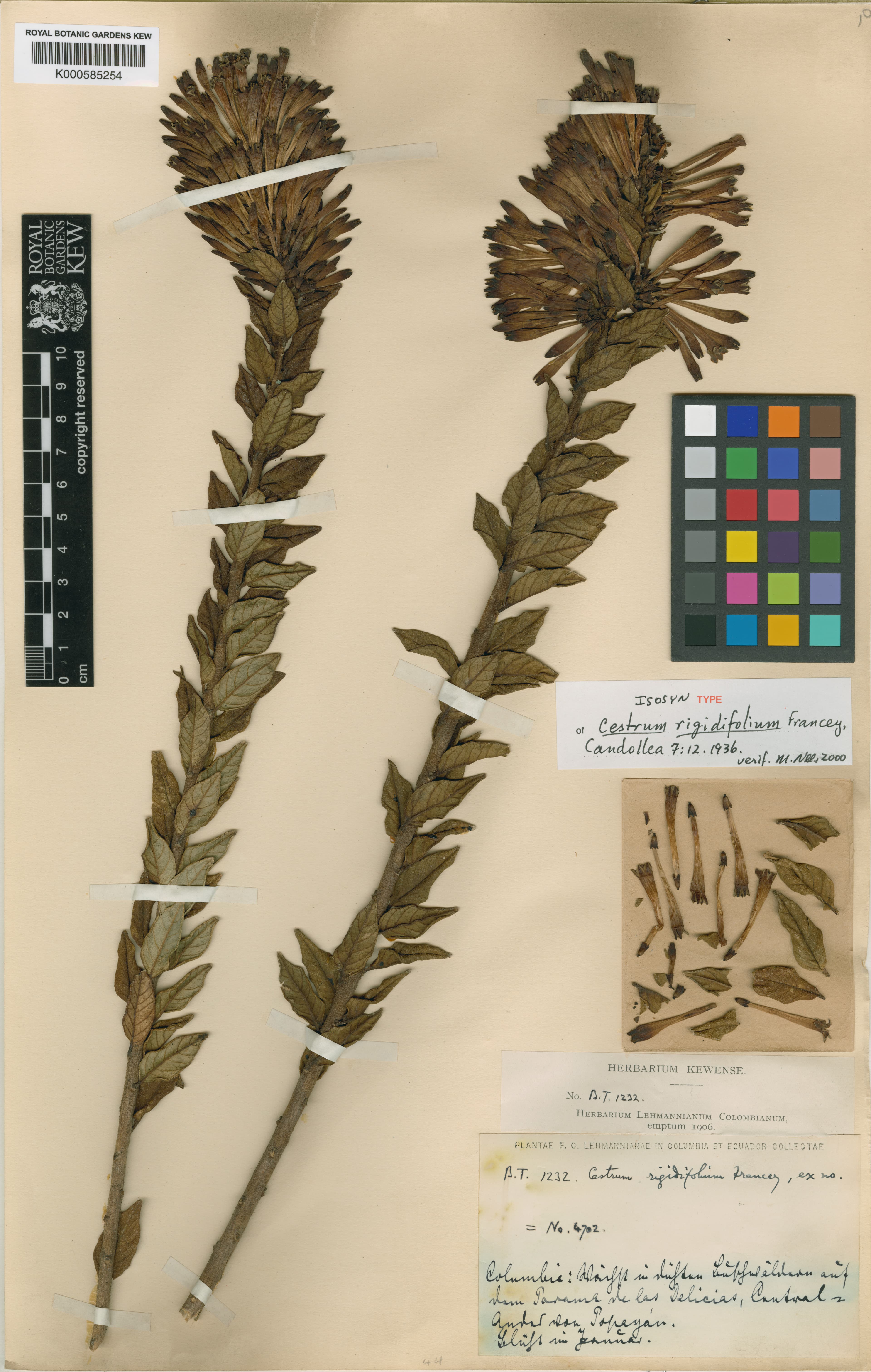
Image: Lehmann (cc-by)
NameCestrum rigidifolium
Scientific NameCestrum rigidifolium Francey
Plant FamilySolanaceae
Natural HabitatNative to South America, specifically documented from Colombia (e.g., Popayán region). It typically grows in tropical or subtropical shrublands and bush forests.
Parts Usedleaf,flower,whole_plant
Traditional UsesSpecific traditional medicinal uses for Cestrum rigidifolium are not widely documented. The genus Cestrum is generally known for containing toxic compounds, and internal use is not recommended due to the presence of steroidal glycoalkaloids and saponins.
Active Constituentssteroidal saponins, alkaloids
Contraindications & WarningsDue to the presence of toxic steroidal glycoalkaloids and saponins, Cestrum rigidifolium, like other Cestrum species, is considered poisonous. Internal use is highly contraindicated and can be dangerous, potentially causing gastrointestinal distress, neurological symptoms, or cardiac issues. Avoid use by pregnant or lactating individuals, children, and anyone without expert medical supervision.
Cultivation NotesAs a tropical/subtropical shrub, Cestrum rigidifolium would likely prefer well-drained soil, full sun to partial shade, and warm temperatures. It may require protection from frost in cooler climates.
Rarityuncommon
Description
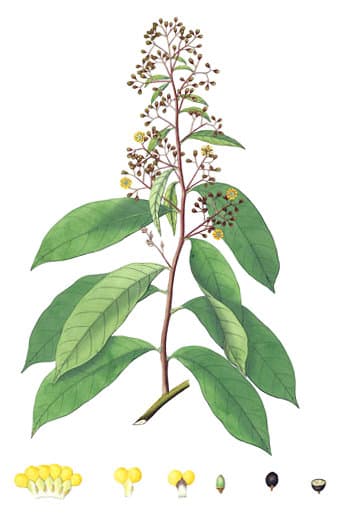
Cestrum rigidifolium is a woody shrub or small tree, characterized by alternate, ovate to elliptic leaves. The specimen shows terminal clusters of elongated, tubular flowers, which appear dried and brown. The stems are relatively slender with persistent leaf scars.