Lycium densifolium
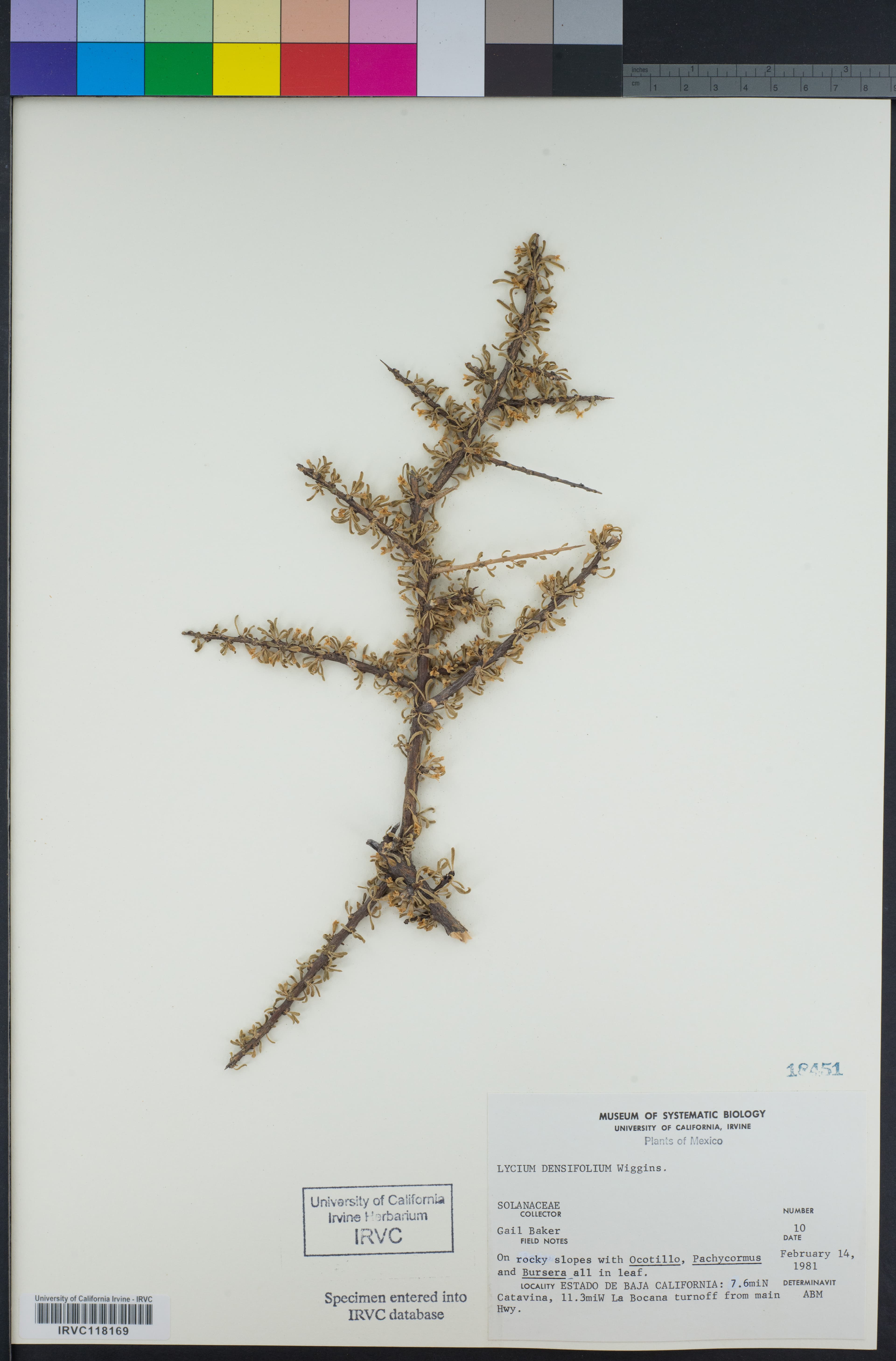
Image: Gail A. Baker (cc-by-nc)
NameLycium densifolium
Scientific NameLycium densifolium
Plant FamilySolanaceae
Natural HabitatFound on rocky slopes in arid regions, often co-occurring with plants like Ocotillo (Fouquieria splendens) and Pachycormus, as observed in Baja California, Mexico. It thrives in dry, desert-like conditions.
Parts Usedleaf,flower,fruit
Medicinal Actionsantioxidant, adaptogen
Traditional UsesWhile specific traditional uses for Lycium densifolium are not widely documented, other species within the Lycium genus (e.g., Goji berries from Lycium barbarum) are traditionally used to promote general well-being, support vision, and enhance immune function. These uses are often attributed to the fruits.
Active Constituentspolysaccharides, carotenoids, flavonoids, betaine
Preparation Methodsinfusion, decoction, powder
Contraindications & WarningsSpecific contraindications for Lycium densifolium are not well-established. However, other Lycium species may interact with anticoagulant medications (e.g., warfarin) and could potentially lower blood sugar or blood pressure. Pregnant or breastfeeding individuals should exercise caution.
Cultivation NotesThis species likely requires well-drained, rocky or sandy soil and full sun exposure, typical of arid environments. It is drought-tolerant once established and prefers warm climates with minimal frost.
Rarityuncommon
Description
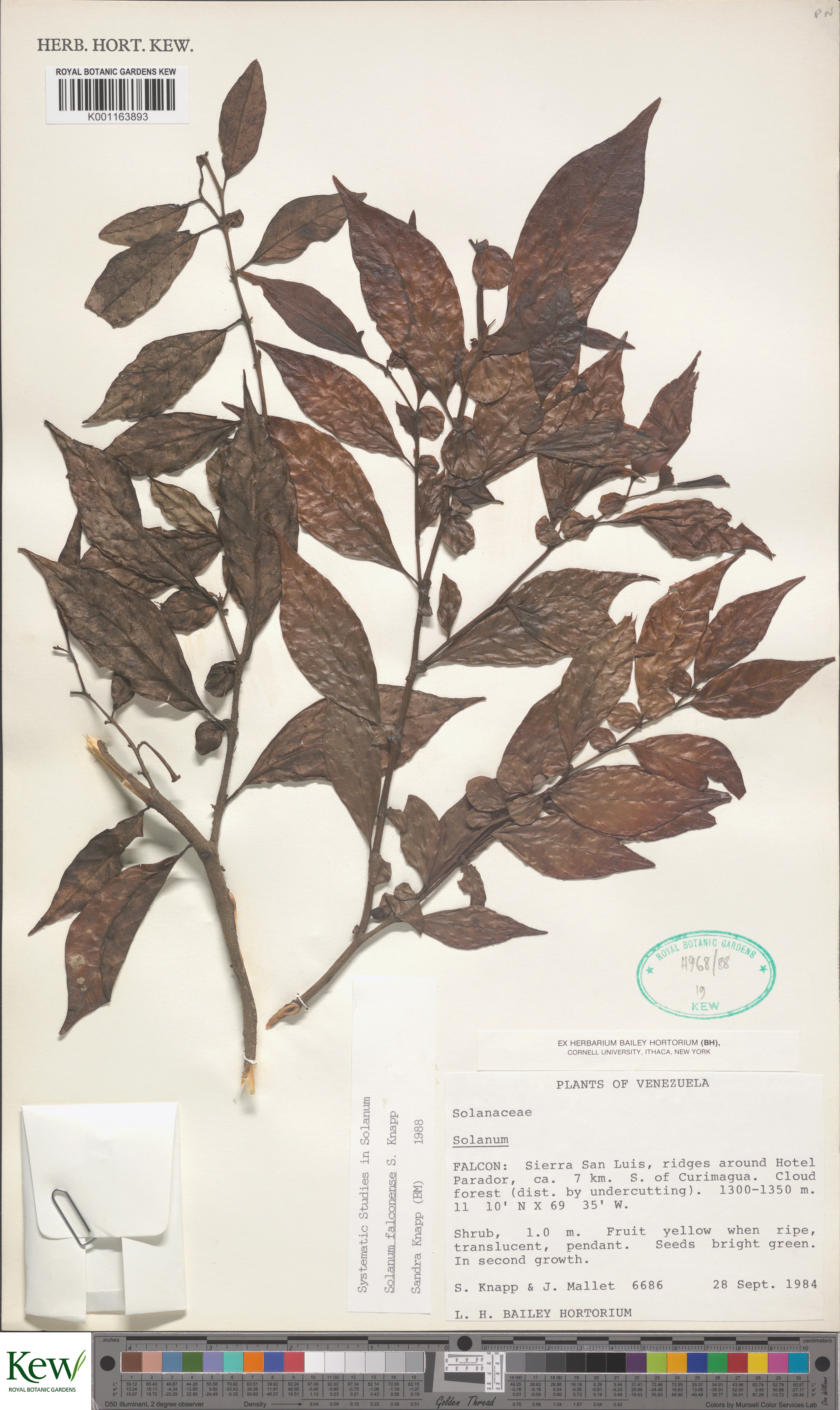
Lycium densifolium is a thorny, woody shrub characterized by small, often clustered leaves and inconspicuous flowers. The specimen shows a dried branch with numerous short lateral shoots, each bearing small, shriveled leaves and remnants of flowers or immature fruits, indicative of an arid habitat adaptation.