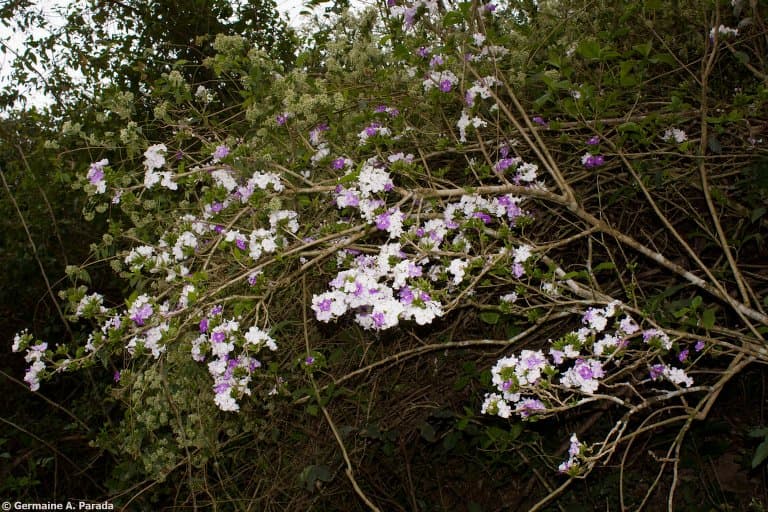
Brunfelsia boliviana
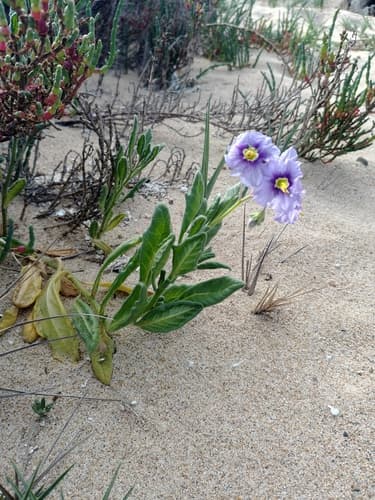
Image: Germaine A. Parada (cc-by-nc)
NameBrunfelsia boliviana
Scientific NameBrunfelsia boliviana Plowman
Common NamesManaca, Yesterday-Today-and-Tomorrow (shared with other Brunfelsia species)
Plant FamilySolanaceae
Natural HabitatNative to the Andean foothills of Bolivia, this species thrives in humid, subtropical forests and forest margins, often found in the understory or along edges.
Parts Usedroot,bark,leaf
Medicinal Actionsanalgesic, diuretic, nervine, sedative
Traditional UsesTraditionally, Brunfelsia boliviana has been used by indigenous communities in South America as a purgative, diaphoretic, and for treating fevers, syphilis, rheumatism, and snake bites. It is also employed in shamanic rituals for its psychoactive properties, often as an admixture to visionary brews or as a standalone entheogen.
Active Constituentsscopolamine, hyoscyamine, brunfelsamidine, scopoletin
Preparation Methodsdecoction, infusion, tincture
Contraindications & WarningsBrunfelsia boliviana is highly toxic and should not be used internally without expert supervision. It can cause severe gastrointestinal upset, hallucinations, delirium, convulsions, and respiratory depression. It is contraindicated for pregnant or nursing women, children, and individuals with heart conditions, glaucoma, or those taking CNS depressants or anticholinergic medications.
Cultivation NotesThis plant prefers warm, humid climates with well-drained, fertile soil. It can be grown in containers in cooler regions and thrives in partial shade to full sun, requiring consistent moisture.
Raritycommon
Description
Brunfelsia boliviana is a shrub or small tree, typically growing 1-3 meters tall, characterized by its lanceolate to elliptic leaves. It produces striking tubular flowers that undergo a color change over several days, opening violet or purple and gradually fading to lavender and then white.