Solanum malindiense
NameSolanum malindiense
Scientific NameSolanum malindiense
Common NamesMalindi Nightshade
Plant FamilySolanaceae
Natural HabitatNative to coastal regions of East Africa, particularly Kenya, often found in dry bushland, disturbed areas, or sandy soils.
Parts Usedleaf,flower,fruit
Medicinal Actionsanti-inflammatory, antimicrobial, analgesic
Traditional UsesTraditionally, some *Solanum* species are used topically for skin conditions, wounds, and to alleviate pain. The leaves or fruits might be applied as poultices or decoctions for their purported anti-inflammatory and antimicrobial effects, though caution is always advised due to potential toxicity.
Active Constituentssteroidal glycoalkaloids, saponins, flavonoids
Preparation Methodspoultice, decoction, infusion
Contraindications & WarningsDue to the presence of potentially toxic glycoalkaloids, internal use should be avoided. Not recommended for pregnant or lactating women, children, or individuals with known sensitivities to *Solanum* species. External use should be approached with caution.
Cultivation NotesPrefers full sun and well-drained soils. It is a hardy plant, often found in arid or semi-arid environments, and can tolerate some drought once established.
Rarityuncommon
Description
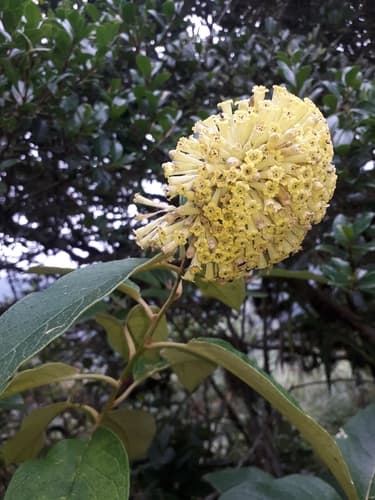
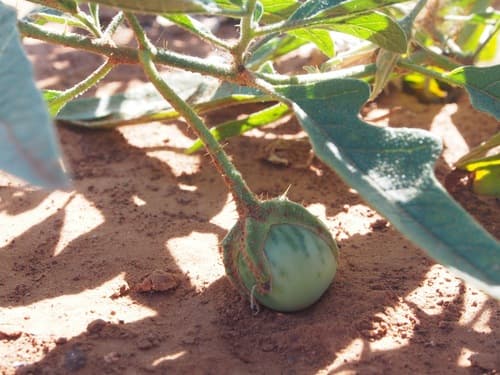
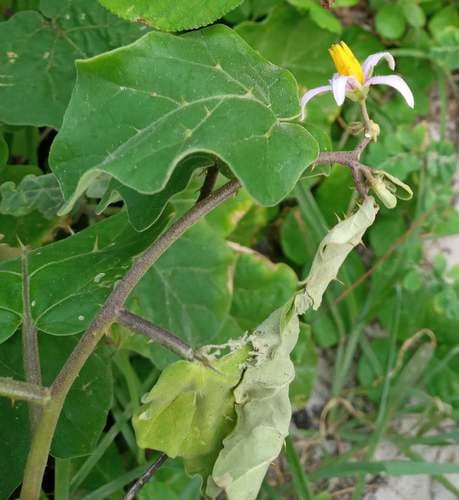
A thorny, erect shrub belonging to the nightshade family, characterized by its large, often lobed leaves and pale purple to white flowers with prominent yellow anthers. Its stems are typically armed with sharp prickles.