Sweet Woodruff
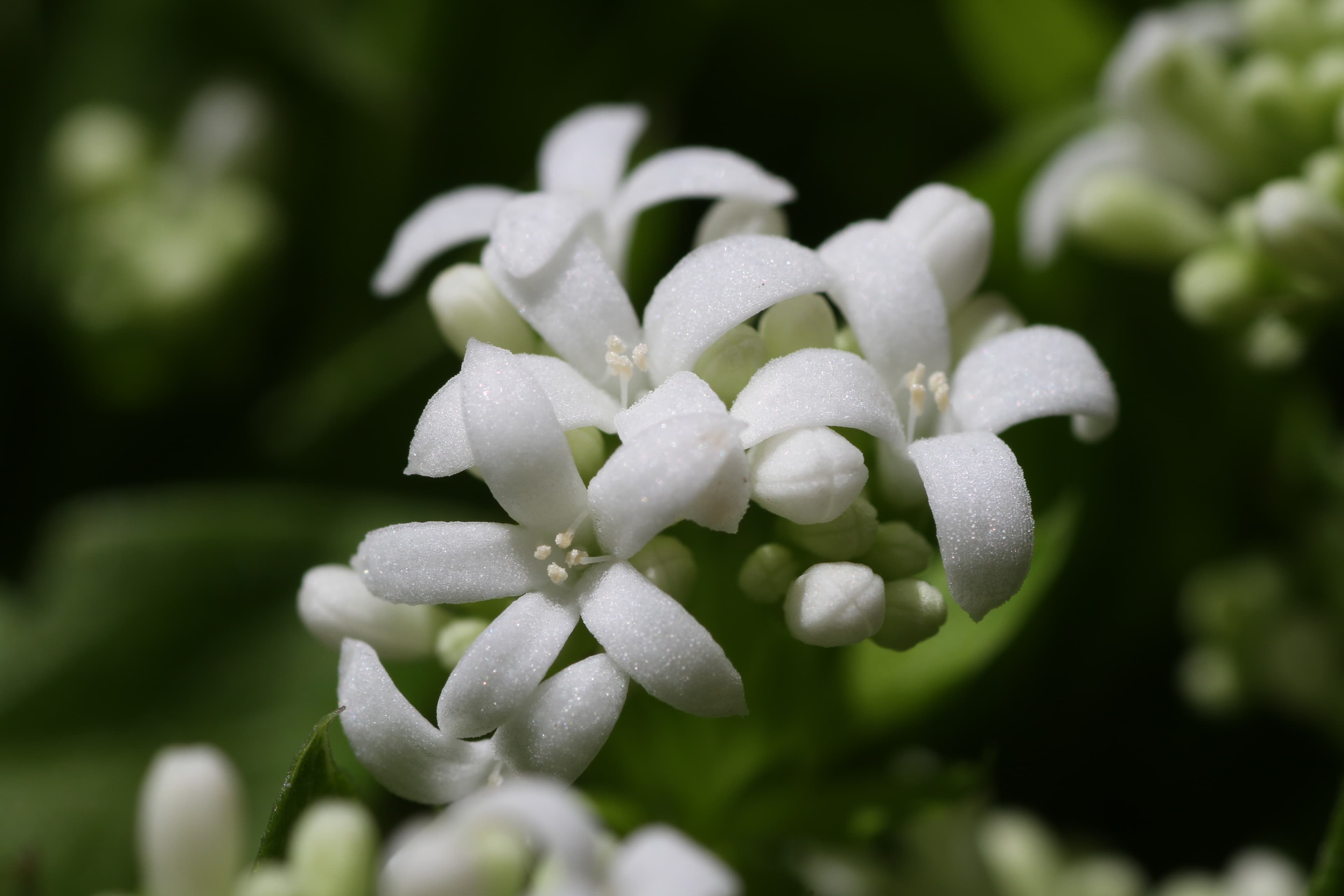
Image: Björn Traeger (CC BY-SA 3.0)
NameSweet Woodruff
Scientific NameGalium odoratum
Common NamesSweet Woodruff, Woodruff, Wild Baby's Breath, Master of the Woods
Plant FamilyRubiaceae
Natural HabitatNative to Europe, North Africa, and Western Asia, Sweet Woodruff thrives in cool, moist, shady woodlands. It often forms dense groundcover in deciduous forests.
Parts Usedwhole_plant
Medicinal Actionsdiuretic, astringent, sedative, anti-inflammatory, carminative
Traditional UsesTraditionally, Sweet Woodruff has been used as a mild sedative to aid sleep and calm nervousness. It was also employed as a diuretic for fluid retention and to support liver and gallbladder function. Externally, it was applied to wounds and used as a flavoring agent in beverages like May wine.
Active ConstituentsCoumarins, Asperuloside, Iridoid glycosides, Tannins, Flavonoids
Preparation Methodsinfusion, tincture, powder, salve
Contraindications & WarningsAvoid large doses or prolonged use due to coumarin content, which can be hepatotoxic and anticoagulant. Contraindicated during pregnancy, lactation, in individuals with liver disease, or those taking anticoagulant medications.
Cultivation NotesPrefers full to partial shade and moist, well-drained, humus-rich soil. It spreads readily by rhizomes, forming an attractive groundcover, and is relatively drought tolerant once established.
Raritycommon
Description
Sweet Woodruff is a low-growing perennial herb, typically reaching 15-30 cm in height, characterized by its whorls of bright green, lance-shaped leaves. It produces delicate clusters of small, star-shaped white flowers in late spring, and when dried, emits a distinctive sweet, hay-like fragrance.