Hydrangea breedlovei
Image: Daniel Petersen (cc-by-nc)
NameHydrangea breedlovei
Scientific NameHydrangea breedlovei
Common NamesWild Hydrangea, Smooth Hydrangea, Sevenbark
Plant FamilyHydrangeaceae
Natural HabitatNative to moist woodlands, stream banks, and forest edges, particularly in the eastern United States for species like H. arborescens. H. breedlovei is found in specific regions of Mexico.
Parts Usedroot
Medicinal Actionsdiuretic, anti-inflammatory
Traditional UsesTraditionally, the root of Hydrangea species (especially H. arborescens) has been used by Native Americans and in folk medicine to treat urinary tract issues, kidney stones, bladder infections, and prostate problems. It is believed to help dissolve and expel urinary calculi and reduce inflammation in the urinary system.
Active ConstituentsHydrangin, saponins, flavonoids, volatile oil, resins
Preparation Methodsdecoction, tincture
Contraindications & WarningsNot recommended for use during pregnancy or breastfeeding. High doses may cause gastrointestinal upset. Should be used with caution in individuals with kidney disease or those taking diuretics.
Cultivation NotesPrefers partial shade to full sun and moist, well-drained soil. Hardy in USDA zones 3-9. Can be propagated by seed, cuttings, or division.
Rarityuncommon
Description
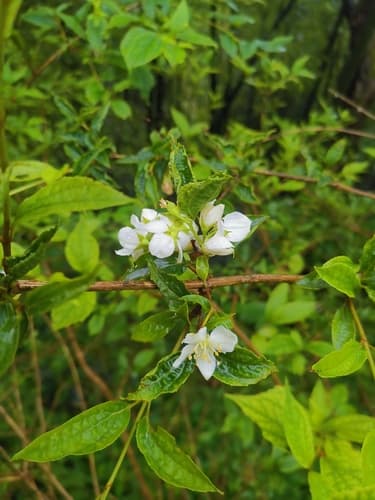
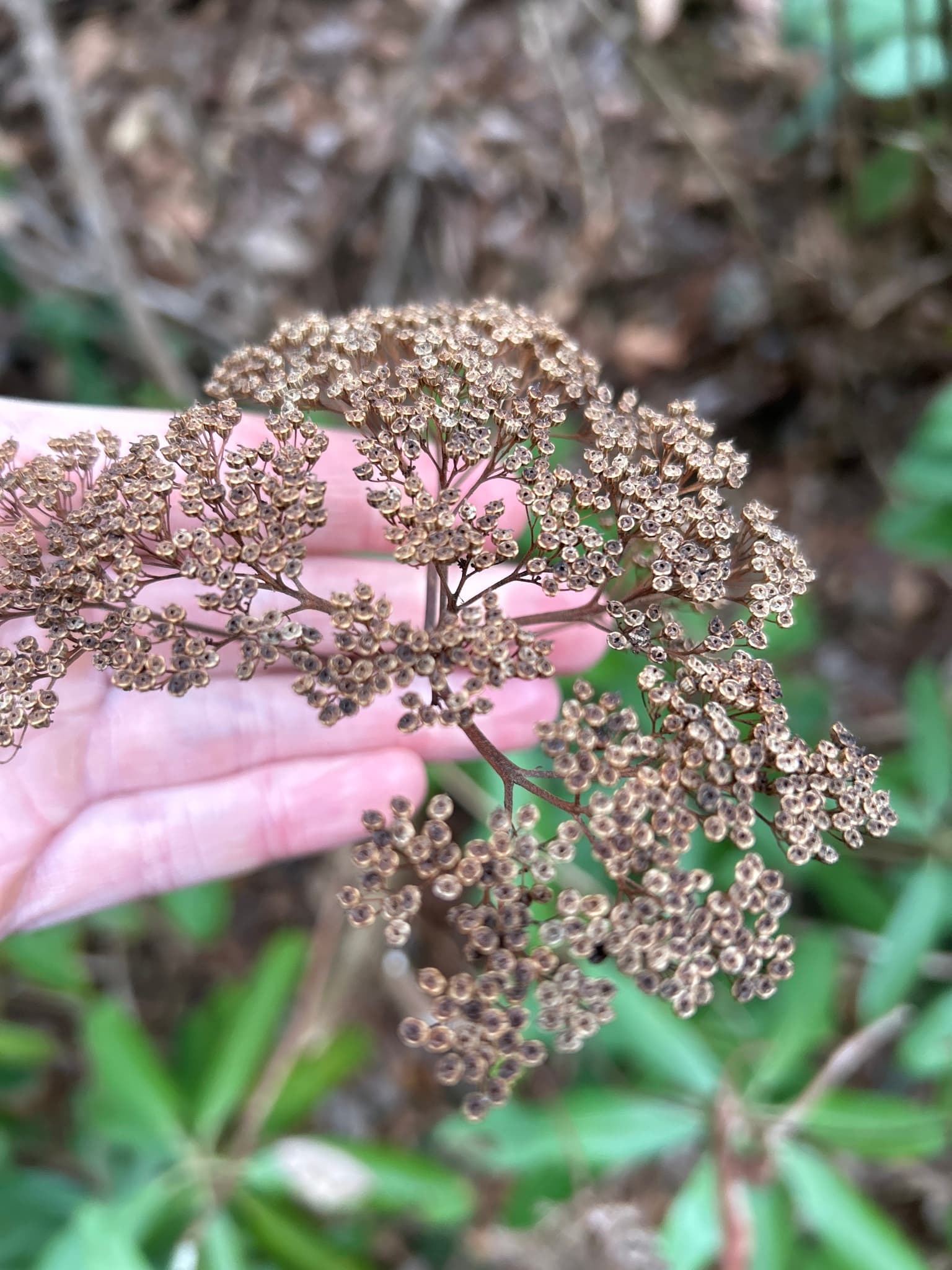
A deciduous shrub, typically growing 3-6 feet tall, known for its large, rounded clusters of white or greenish-white flowers. The image displays the dried seed heads, which retain the characteristic domed shape of the spent inflorescence.