Hoary Mock Orange
NameHoary Mock Orange
Scientific NamePhiladelphus incanus
Common NamesHoary Mock Orange, Hairy Mock Orange
Plant FamilyHydrangeaceae
Natural HabitatNative to central and western China, found in thickets, on slopes, and in valleys at elevations of 500-2000 meters. It thrives in well-drained soil and prefers full sun to partial shade.
Parts Usedleaf,flower
Medicinal Actionsantioxidant, anti-inflammatory
Traditional UsesWhile primarily cultivated as an ornamental, some Philadelphus species have been traditionally used by indigenous cultures for external washes or poultices for minor skin irritations. Specific traditional medicinal uses for Philadelphus incanus are not widely documented in mainstream herbalism.
Active ConstituentsFlavonoids, Phenolic acids
Preparation Methodsinfusion, poultice
Contraindications & WarningsGenerally considered to have low toxicity. Ingestion of large quantities may cause mild gastrointestinal upset. No specific drug interactions are widely documented.
Cultivation NotesPrefers full sun to partial shade and well-drained soil. Tolerant of various soil types once established. Prune after flowering to maintain shape and promote vigorous growth.
Raritycommon
Description
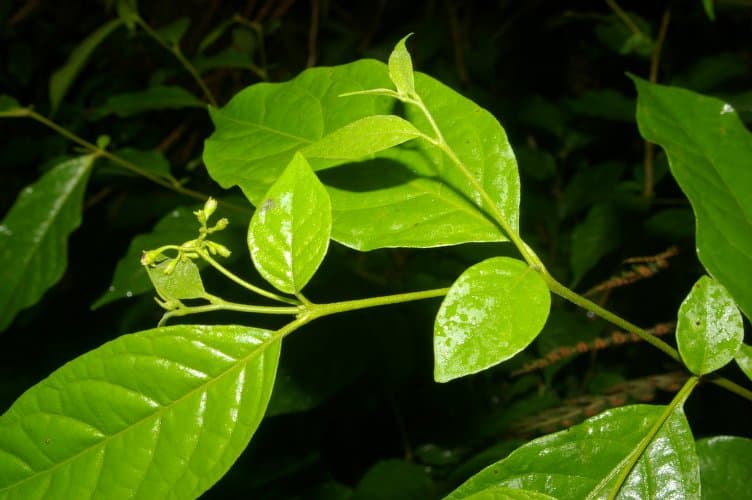
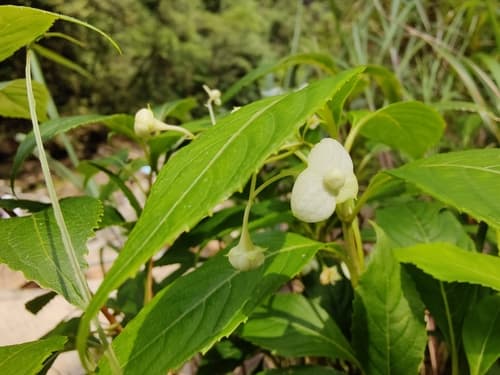
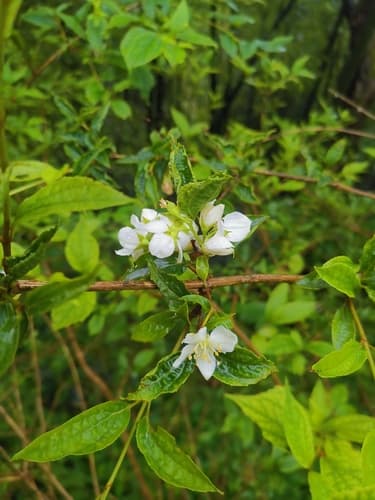
Philadelphus incanus is a deciduous shrub native to China, typically growing 2-4 meters tall. It features ovate to lanceolate leaves, often hairy, and produces clusters of fragrant white flowers with prominent yellow stamens in late spring to early summer.