Hound's Tongue
Image: Stanislav Murashkin (cc-by)
NameHound's Tongue
Scientific NameCynoglossum officinale
Common NamesHound's Tongue, Beggar's Lice, Dog's Tongue, Gipsy Flower
Plant FamilyBoraginaceae
Natural HabitatNative to Eurasia, Hound's Tongue has naturalized across North America and other temperate regions. It thrives in disturbed areas, pastures, roadsides, waste ground, and open woodlands, often considered a weed.
Parts Usedleaf,root,fruit
Medicinal Actionsdemulcent, astringent, expectorant, sedative
Traditional UsesTraditionally, Hound's Tongue was used externally as a poultice for wounds, ulcers, and skin irritations due to its demulcent and astringent properties. Internally, it was historically employed as a cough remedy and mild sedative, though these internal uses are now largely abandoned due to toxicity concerns. It was also used to repel rodents.
Active ConstituentsPyrrolizidine alkaloids, allantoin, mucilage, tannins
Preparation Methodsinfusion, decoction, poultice
Contraindications & WarningsHound's Tongue contains hepatotoxic (liver-damaging) pyrrolizidine alkaloids, making internal use highly dangerous and strongly contraindicated. It should not be used by pregnant or breastfeeding women, children, or individuals with liver disease. External use should also be approached with extreme caution due to potential absorption.
Cultivation NotesOften considered an invasive weed, Hound's Tongue is a biennial plant that reproduces by seed. It prefers full sun to partial shade and well-drained soil, tolerating a range of soil types. Its burr-like seeds readily attach to clothing and animal fur, aiding its spread.
Raritycommon
Description
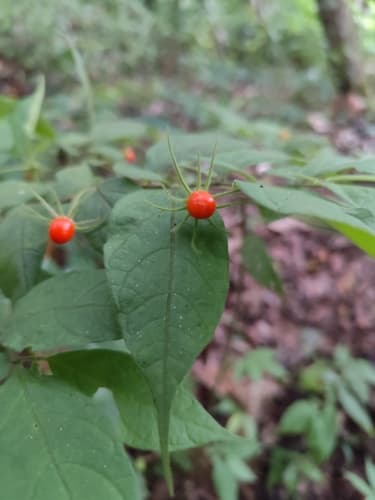
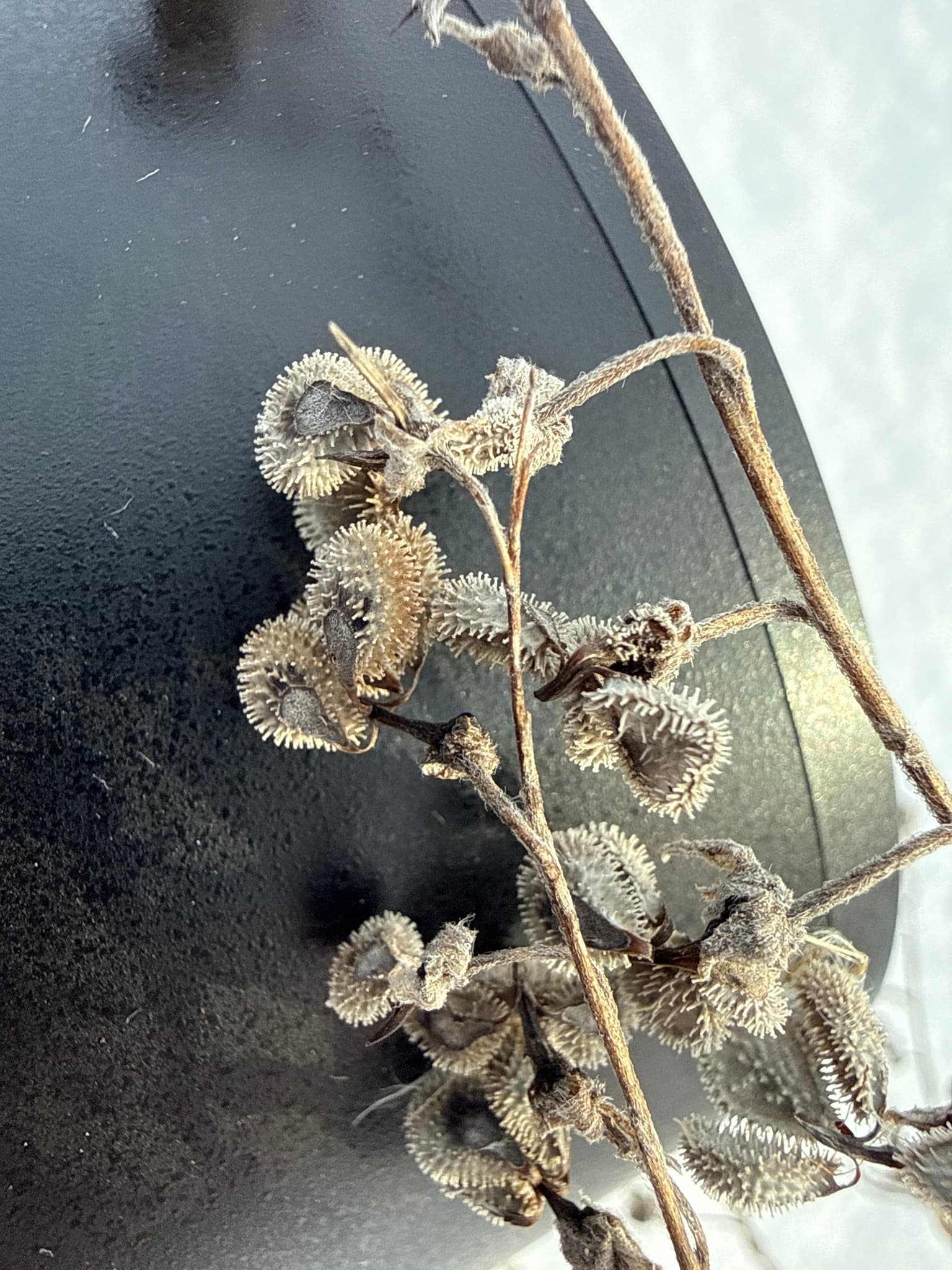
Hound's Tongue is a biennial herb characterized by its soft, hairy, lance-shaped leaves that resemble a dog's tongue. It produces small, reddish-purple flowers followed by distinctive burr-like nutlets, covered in hooked spines, which are clearly visible in the image.