Cestrum subumbellatum
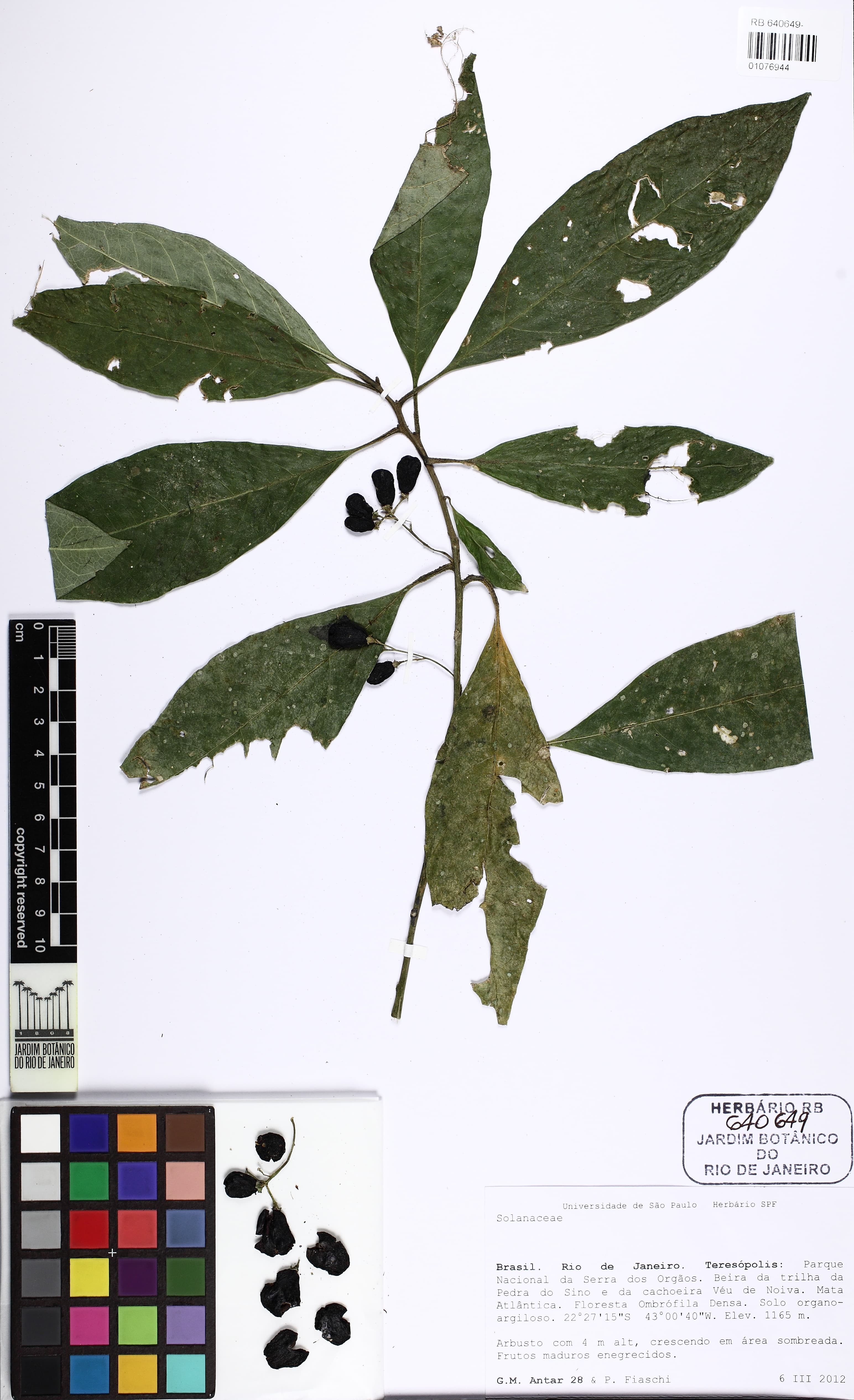
Image: G.M. Antar; P. Fiaschi (cc-by)
NameCestrum subumbellatum
Scientific NameCestrum subumbellatum Vig.-Silva & M.Nee
Common NamesNone widely recognized
Plant FamilySolanaceae
Natural HabitatNative to dense ombrophilous forests in Brazil, specifically found in shaded areas on organic-clay soil at elevations around 1165 meters, as noted in the Serra dos Órgãos National Park, Rio de Janeiro.
Parts Usedleaf,fruit
Medicinal Actionsantimicrobial, antioxidant
Traditional UsesDue to the general toxicity of the Cestrum genus, Cestrum subumbellatum is not widely documented for safe traditional medicinal use. Many species in this genus are considered poisonous, especially the fruits, and internal consumption is strongly discouraged.
Active Constituentssteroidal alkaloids, saponins
Preparation Methodspoultice
Contraindications & WarningsAll parts of Cestrum subumbellatum, especially the fruits, are considered potentially toxic due to the presence of steroidal alkaloids. Internal consumption is strongly contraindicated, and caution is advised even for external use.
Cultivation NotesThis shrub prefers shaded environments and organic-clay soil, thriving in dense ombrophilous forests. It can grow up to 4 meters tall.
Rarityuncommon
Description
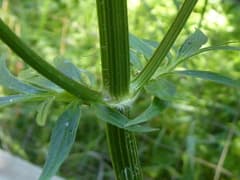
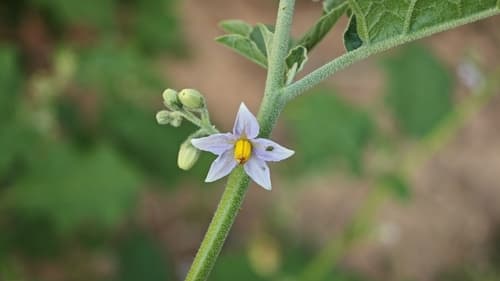
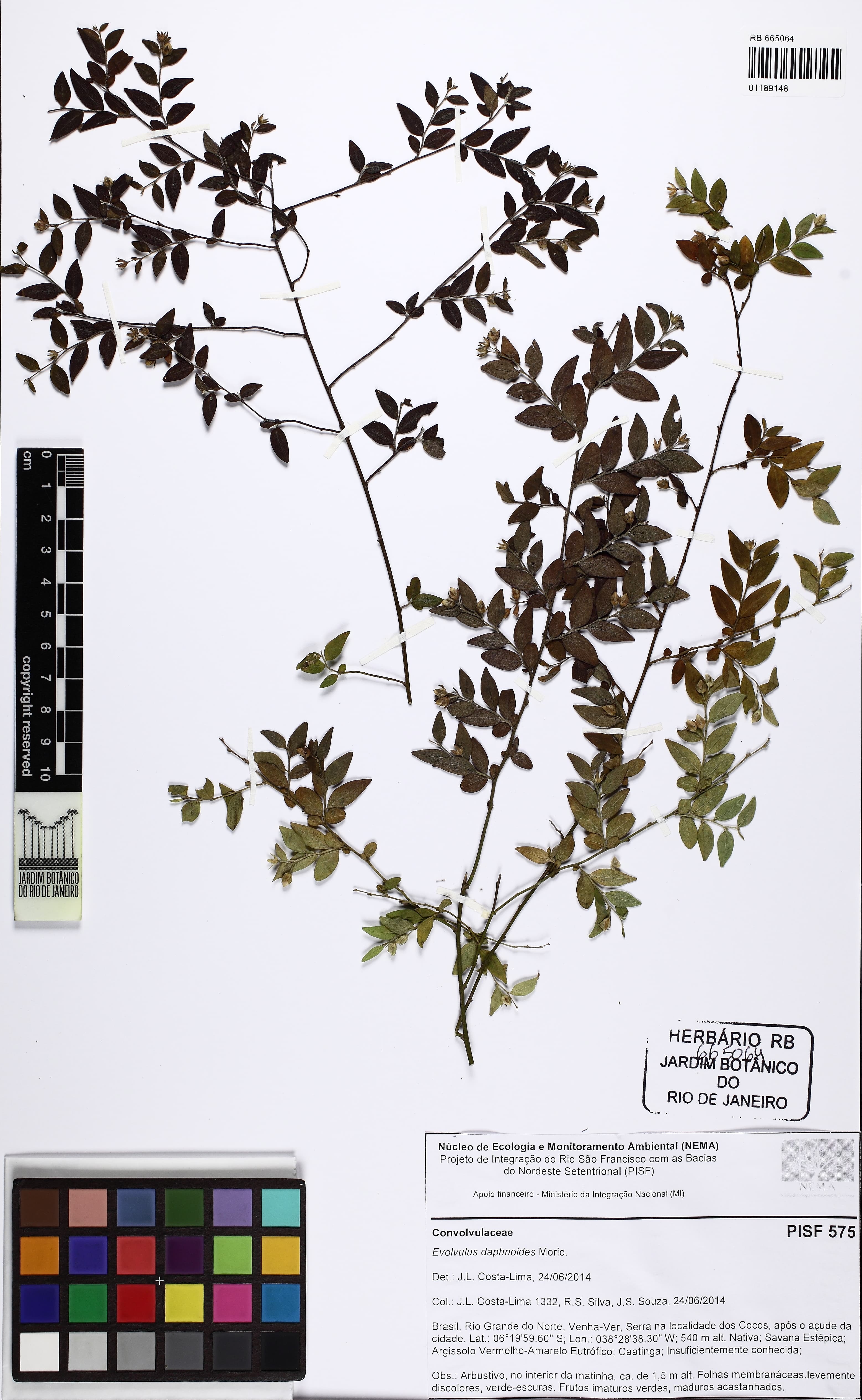
A shrub growing up to 4 meters tall, Cestrum subumbellatum is characterized by its simple, alternate, ovate to lanceolate leaves with entire margins. It produces clusters of small, dark, blackened mature fruits along its stems.