Horehound
NameHorehound
Scientific NameMarrubium vulgare
Common NamesWhite Horehound, Common Horehound
Plant FamilyLamiaceae
Natural HabitatNative to Europe, North Africa, and Asia, it thrives in dry, disturbed soils, roadsides, pastures, and waste areas. It is often found in full sun and well-drained conditions, tolerating poor soil.
Parts Usedleaf,flower
Medicinal Actionsexpectorant, anti-inflammatory, antimicrobial, antioxidant, carminative
Traditional UsesTraditionally used for respiratory conditions such as coughs, colds, bronchitis, and asthma due to its expectorant and mucolytic properties, helping to clear mucus. It was also used as a bitter tonic to stimulate digestion, improve appetite, and support liver and gallbladder function.
Active ConstituentsMarrubiin, flavonoids, volatile oils, tannins, mucilage
Preparation Methodsinfusion, decoction, tincture, powder
Contraindications & WarningsHigh doses may cause gastrointestinal upset or diarrhea. It may interact with blood pressure medications due to its potential to lower blood pressure. Not recommended for pregnant or breastfeeding women without medical advice, and individuals with gallstones should use with caution.
Cultivation NotesWhite Horehound is easy to grow from seed or cuttings in full sun and well-drained soil. It tolerates poor soil and drought conditions, making it quite hardy and adaptable. It can self-seed readily and may become invasive in some areas.
Raritycommon
Description
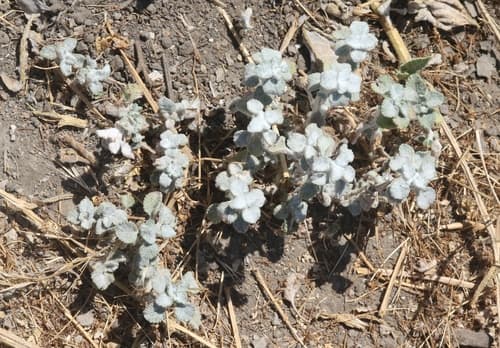
White Horehound is a perennial herbaceous plant characterized by its square stems and opposite, ovate to rounded, crinkled leaves covered in dense white hairs, giving it a woolly appearance. It typically grows to about 1-2 feet tall and produces small white flowers in axillary whorls. The plant has a distinctive bitter taste.