Willow
NameWillow
Scientific NameSalix spp.
Common NamesWillow, White Willow, Crack Willow
Plant FamilySalicaceae
Natural HabitatMoist soils, riverbanks, wetlands, and temperate forests. They thrive in full sun to partial shade.
Parts Usedbark,leaf
Medicinal Actionsanalgesic, anti-inflammatory
Traditional UsesTraditionally, willow bark has been used to relieve pain, reduce fever, and alleviate inflammation, particularly for headaches, arthritis, and general body aches. It was the original source of salicylic acid, the precursor to aspirin.
Active ConstituentsSalicin, Flavonoids, Tannins
Preparation Methodsdecoction, tincture, powder
Contraindications & WarningsShould not be used by individuals allergic to aspirin or salicylates. Avoid during pregnancy, breastfeeding, and in children with viral infections (due to Reye's syndrome risk, similar to aspirin). May interact with anticoagulant medications.
Cultivation NotesWillows are generally easy to grow, preferring moist to wet soil and full sun. They can be propagated from cuttings and are often used for erosion control.
Raritycommon
Description
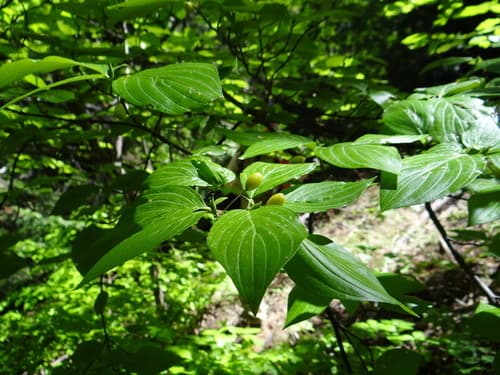
Willows are deciduous trees or shrubs, typically found in moist soils in temperate and cold regions. They are characterized by their often flexible branches, simple alternate leaves, and catkin flowers.