Cestrum ekmanii
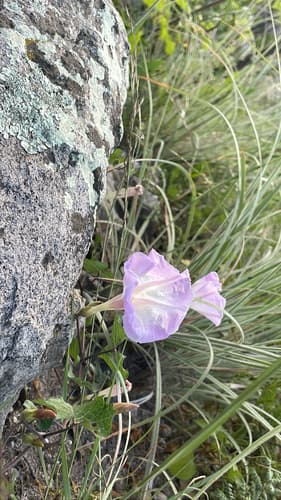
Image: Karin dos Santos (S) (cc-by)
NameCestrum ekmanii
Scientific NameCestrum ekmanii Urb. & O.E.Schulz
Plant FamilySolanaceae
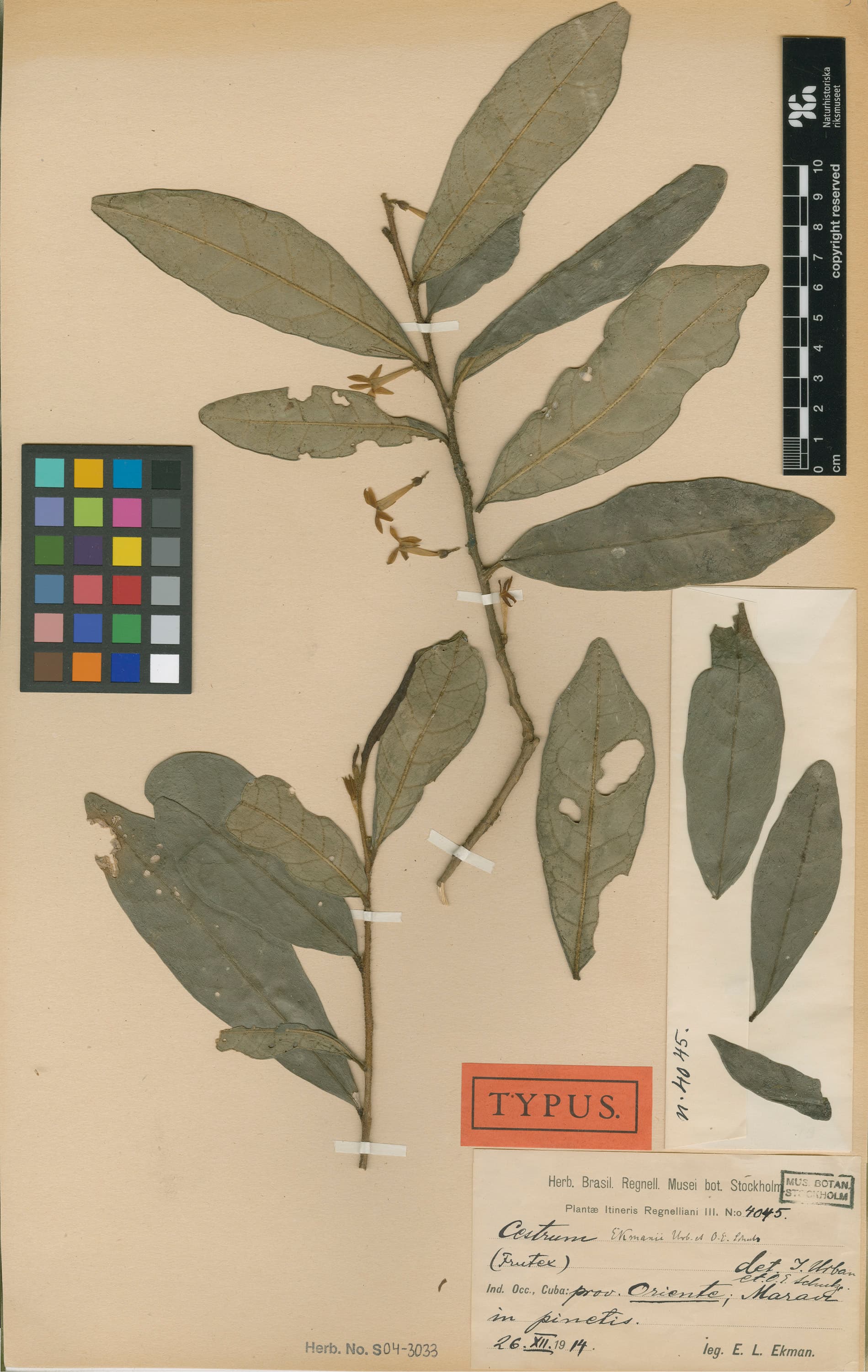
Natural HabitatThis species is endemic to Cuba, specifically noted on the herbarium label as being found in 'pinetis' (pine forests) in the Oriente province, Maras region.
Parts Used
Traditional UsesNo specific traditional medicinal uses are documented for Cestrum ekmanii. Many species within the Cestrum genus are known to be toxic, and their traditional uses, if any, often involve external application or highly controlled internal doses for specific ailments, but this is not confirmed for Cestrum ekmanii.
Contraindications & WarningsDue to the general toxicity observed in many species within the Cestrum genus, Cestrum ekmanii should be presumed toxic. Ingestion could lead to severe gastrointestinal upset, neurological symptoms, and other adverse effects. Avoid internal use.
Cultivation NotesAs an endemic species from Cuba, Cestrum ekmanii would likely prefer warm, tropical to subtropical climates with well-drained soil, possibly acidic conditions typical of pine forests. Specific cultivation details are not widely documented.
Rarityuncommon
Description
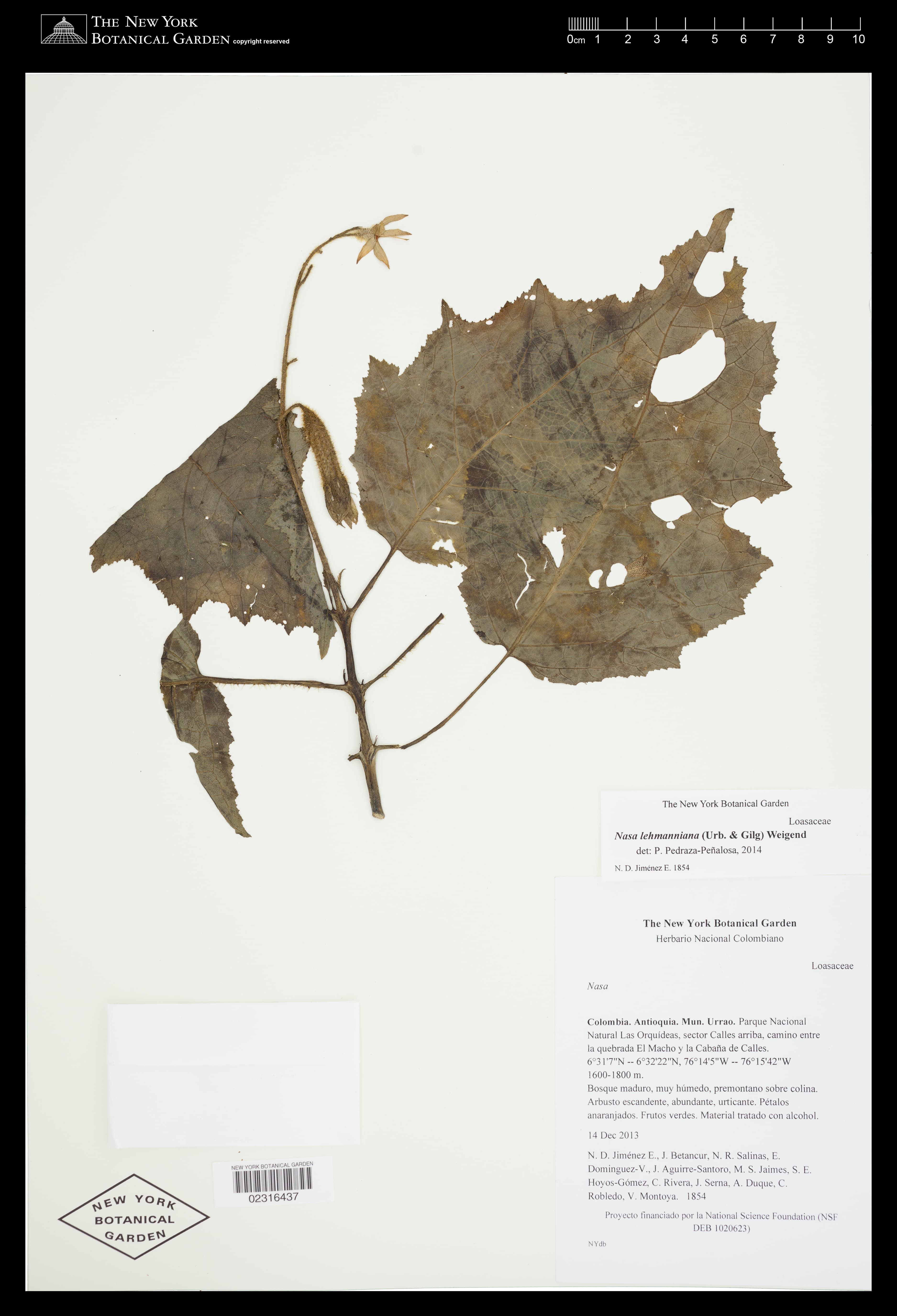
Cestrum ekmanii is a woody shrub or small tree, as depicted by the herbarium specimen showing a branched stem with alternate, simple, entire leaves. Small, tubular flowers are typically borne in axillary clusters along the stem, though they appear dried and somewhat indistinct in this preserved sample.