Stonecrop
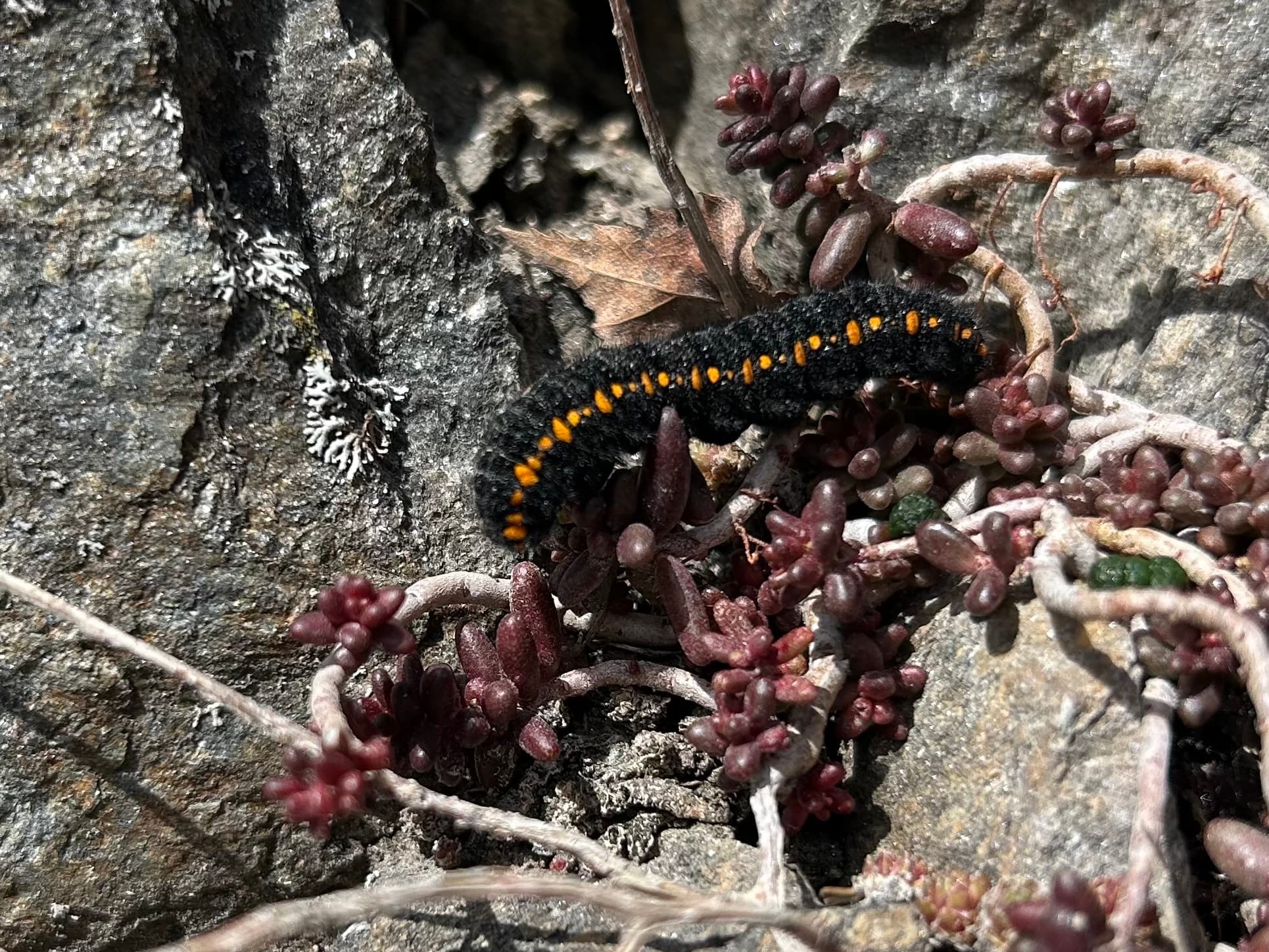
Image: Oliver Stöhr (cc-by-nc)
NameStonecrop
Scientific NameSedum album
Common NamesStonecrop, White Stonecrop, Wormgrass
Plant FamilyCrassulaceae
Natural HabitatThrives in dry, sunny conditions on rocks, walls, gravelly soils, and poor, shallow substrates. It is native to mountainous and rocky regions across Europe, North Africa, and parts of Asia.
Parts Usedleaf,whole_plant
Medicinal Actionsanti-inflammatory, astringent, demulcent
Traditional UsesTraditionally, the fresh crushed leaves or whole plant were applied topically as a poultice to soothe burns, wounds, insect stings, and skin irritations, leveraging its cooling and anti-inflammatory properties. It was also occasionally used internally as a mild diuretic or astringent.
Active ConstituentsMucilage, tannins, flavonoids, alkaloids, organic acids
Preparation Methodspoultice, infusion, salve
Contraindications & WarningsGenerally safe for external use. Internal use is not common and not well-researched; large doses may cause gastrointestinal upset. Avoid internal use during pregnancy or lactation due to lack of safety data.
Cultivation NotesAn extremely resilient and low-maintenance plant, ideal for rock gardens, green roofs, and xeriscaping. It requires full sun to partial shade and very well-drained soil, tolerating drought and poor nutrient conditions. Easily propagated by stem cuttings or division.
Raritycommon
Description
A hardy, low-growing perennial succulent forming dense mats on rocky substrates. Its small, fleshy, cylindrical leaves often display a reddish or bronze hue under sun exposure, and it produces clusters of small white, star-shaped flowers in summer.