Hinton's Groundcherry
NameHinton's Groundcherry
Scientific NamePhysalis hintonii
Common NamesHinton's Groundcherry, Tomatillo Silvestre de Hinton
Plant FamilySolanaceae
Natural HabitatNative to central Mexico, particularly in the states of México and Michoacán, growing in pine-oak forests, disturbed areas, and along roadsides at moderate to high elevations.
Parts Usedleaf,fruit
Medicinal Actionsanti-inflammatory, diuretic, antioxidant
Traditional UsesWhile specific traditional uses for Physalis hintonii are not extensively documented, other Physalis species are traditionally used in Mexican folk medicine for their anti-inflammatory properties, to treat fevers, and as diuretics. The fruits are often consumed for their nutritional value and potential antioxidant benefits.
Active ConstituentsPhysalins, Withanolides, Flavonoids
Preparation Methodsinfusion, decoction, powder
Contraindications & WarningsUnripe fruits of Physalis species may contain solanine-like alkaloids and should not be consumed. Pregnant or breastfeeding women and individuals with nightshade allergies should exercise caution.
Cultivation NotesPrefers full sun to partial shade and well-drained soil. It is a relatively hardy perennial in its native range, often found in disturbed habitats, suggesting it tolerates a range of conditions.
Rarityuncommon
Description
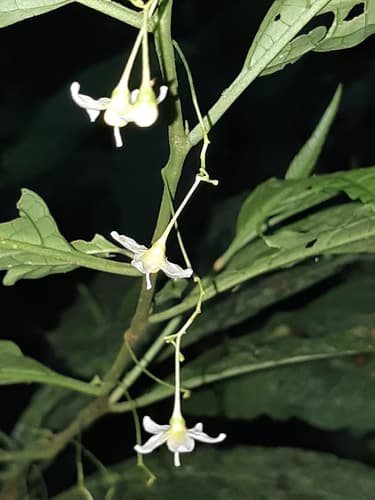
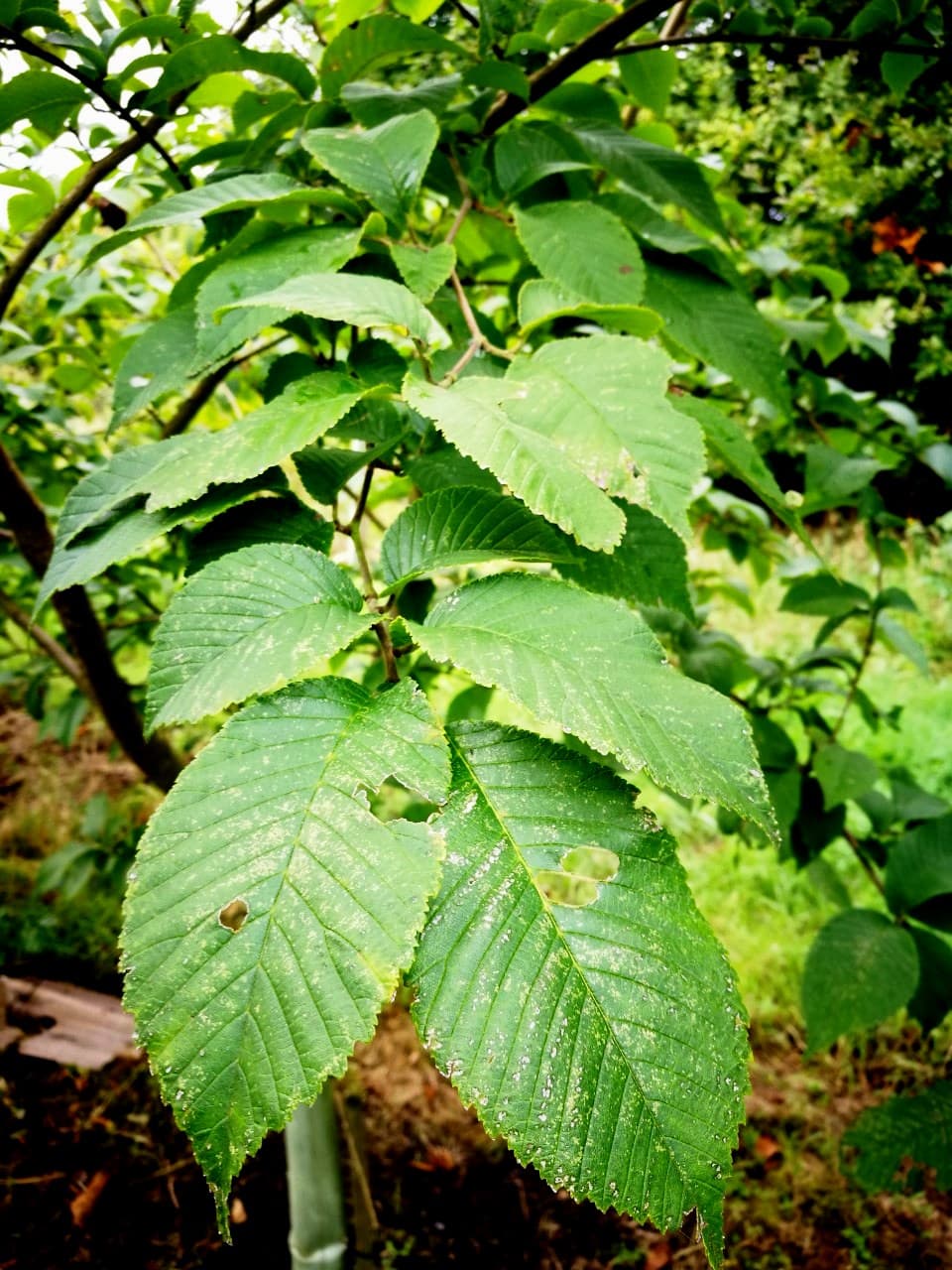
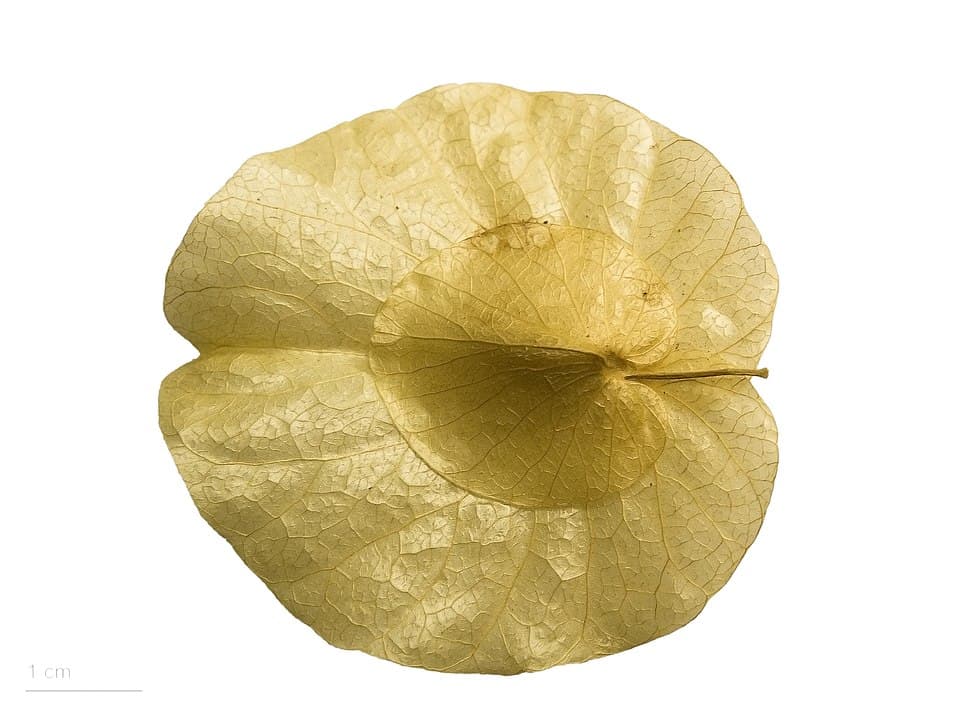
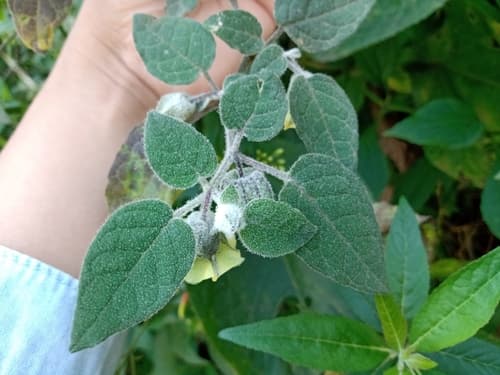
Physalis hintonii is a perennial herbaceous plant characterized by its densely pubescent (velvety) leaves and stems, as clearly visible in the image. It produces small, yellowish flowers that develop into fruits enclosed within an inflated, lantern-like calyx, typical of the Physalis genus. This species is native to central Mexico.