Ulmus prunifolia
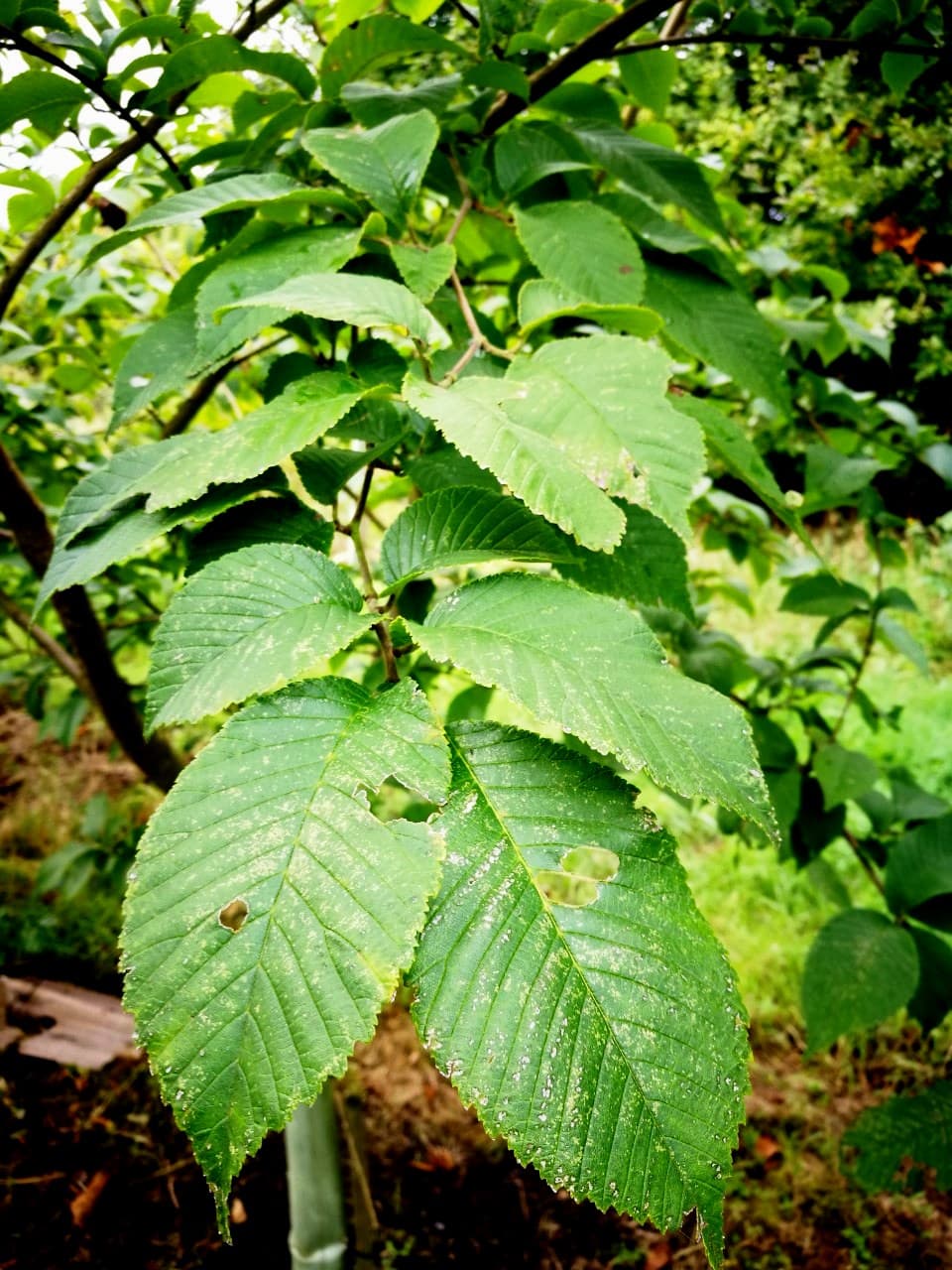
Image: Whittemore, A. T.; Conrad, Kevin (cc0)
NameUlmus prunifolia
Scientific NameUlmus prunifolia
Common NamesPlum-leaf Elm
Plant FamilyUlmaceae
Natural HabitatNative to forests and slopes in various provinces of China at elevations of 200-1500 meters. It thrives in temperate regions and is also found in germplasm collections under cultivation.
Parts Usedbark,leaf
Medicinal Actionsdemulcent, anti-inflammatory, astringent, antioxidant
Traditional UsesTraditionally, the inner bark of Ulmus species is used to soothe irritated mucous membranes, treating coughs, sore throats, and gastrointestinal issues like ulcers and diarrhea. It can also be applied externally as a poultice for wounds, boils, and skin irritations.
Active Constituentsmucilage, tannins, flavonoids, phytosterols
Preparation Methodsinfusion, decoction, poultice, powder
Contraindications & WarningsDue to its mucilage content, it may interfere with the absorption of other medications; it is advised to take it separately. Pregnant or breastfeeding individuals should consult a healthcare professional before use.
Cultivation NotesThis hardy deciduous tree prefers well-drained soil and can grow in full sun to partial shade. It is often cultivated from seed or through grafting and is maintained in germplasm collections.
Raritycommon
Description
Ulmus prunifolia is a deciduous tree, typically growing up to 8 meters tall, with a trunk diameter of about 25 cm. Its leaves are alternate, simple, ovate to elliptic, with serrated margins and prominent venation.