Calycobolus insignis
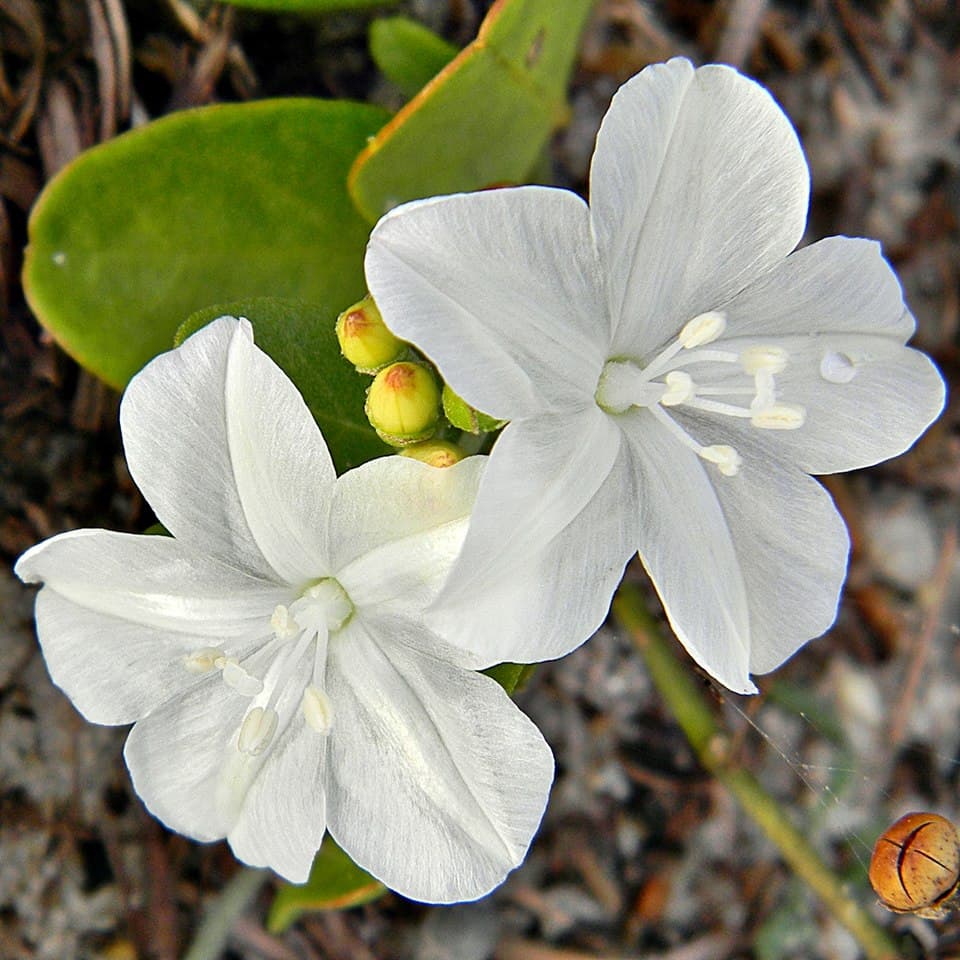
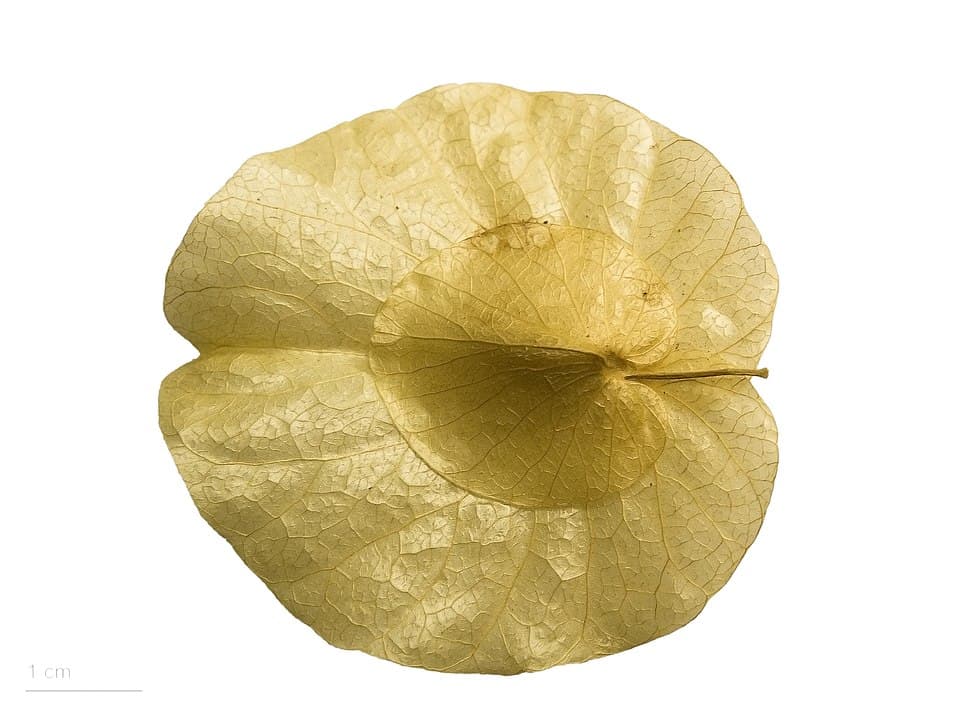
Image: Meise Botanic Garden (cc-by)
NameCalycobolus insignis
Scientific NameCalycobolus insignis (Rendle) Heine
Plant FamilyConvolvulaceae
Natural HabitatNative to the tropical forests of West and Central Africa, including countries like Cameroon, Gabon, Congo, and Nigeria. It thrives in humid, forested environments.
Parts Usedleaf,bark,root,fruit,seed
Traditional UsesSpecific traditional medicinal uses for Calycobolus insignis are not widely documented in accessible ethnobotanical literature. Other species within the Calycobolus genus are sometimes used in traditional African medicine for general ailments such as fevers and pain, or as purgatives.
Preparation Methodsinfusion, decoction
Contraindications & WarningsNo specific contraindications or drug interactions are widely documented for Calycobolus insignis due to limited research. As with many plants in the Convolvulaceae family, caution is advised, especially regarding potential purgative or other systemic effects.
Cultivation NotesThis species requires a tropical climate with high humidity and warm temperatures. It prefers well-drained soil and a robust support structure for its climbing habit. Propagation is typically achieved through seeds or stem cuttings.
Rarityuncommon
Description
Calycobolus insignis is a woody liana or climbing shrub characterized by simple, alternate, ovate to elliptic leaves, which are typically somewhat leathery. The specimen shows dried leaves and what appear to be dried fruits or seeds, indicative of its botanical structure.