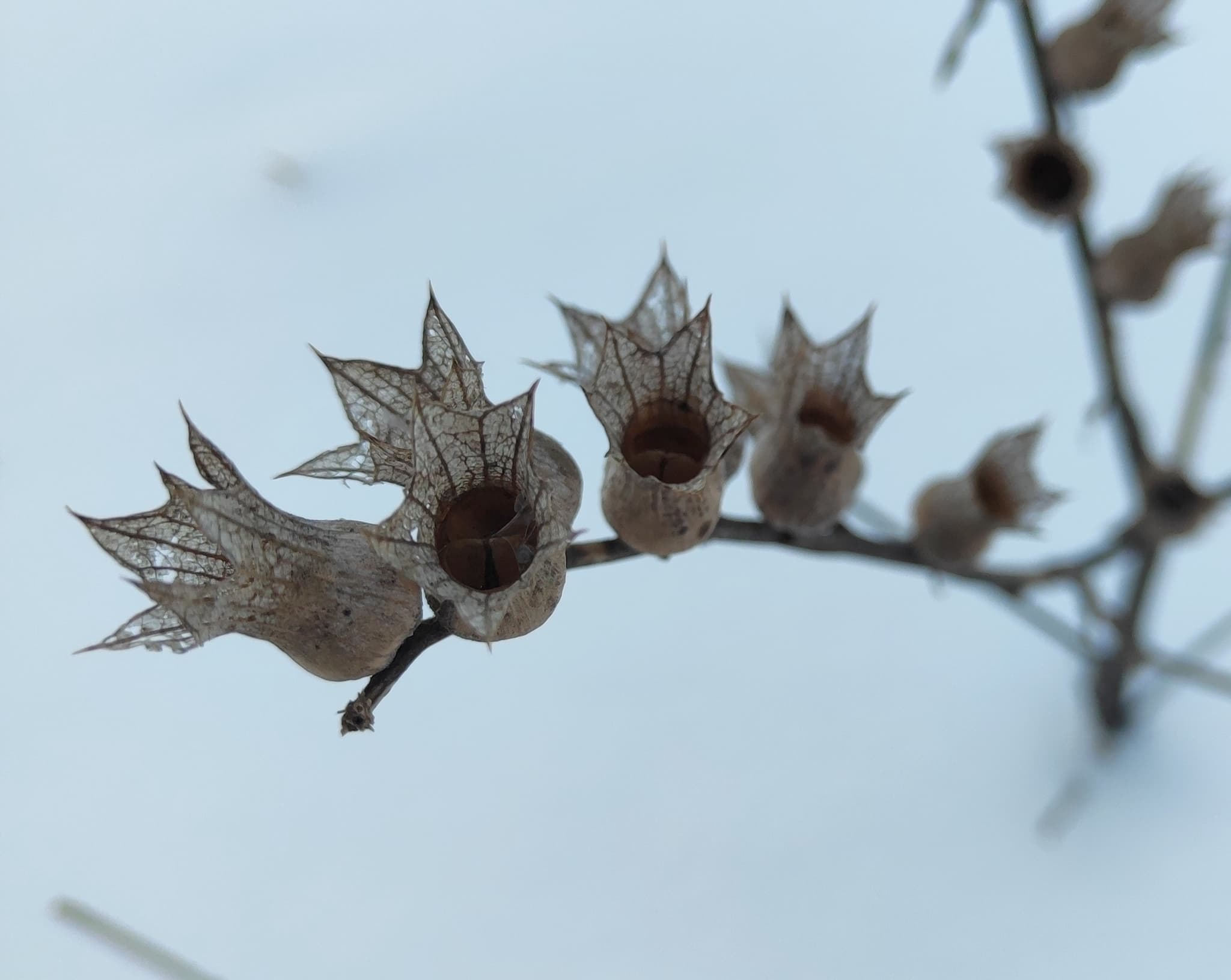
Valerian
NameValerian
Scientific NameValeriana officinalis
Common NamesCommon Valerian, Garden Valerian, All-heal, Setwall
Plant FamilyCaprifoliaceae
Natural HabitatNative to Europe and Asia, Valerian thrives in damp meadows, woodlands, and along riverbanks. It prefers moist, well-drained soil and can grow in partial to full sun.
Parts Usedroot
Medicinal Actionsnervine, sedative
Traditional UsesTraditionally, Valerian root has been widely used as a mild sedative and anxiolytic to treat insomnia, anxiety, nervousness, and restlessness. It is also employed for muscle spasms and menstrual cramps due to its relaxing properties.
Active ConstituentsValerenic acid, Valepotriates, Essential oils (e.g., bornyl acetate, isovaleric acid)
Preparation Methodsinfusion, decoction, tincture, powder
Contraindications & WarningsMay cause drowsiness; avoid driving or operating heavy machinery. Not recommended for pregnant or breastfeeding women, children under 3, or individuals taking other sedatives, anxiolytics, or alcohol. Some individuals may experience paradoxical excitation.
Cultivation NotesValerian grows best in moist, well-drained soil in full sun to partial shade. It can be propagated by seed or division, and the roots are typically harvested in the autumn of the second year for medicinal use.
Raritycommon
Description
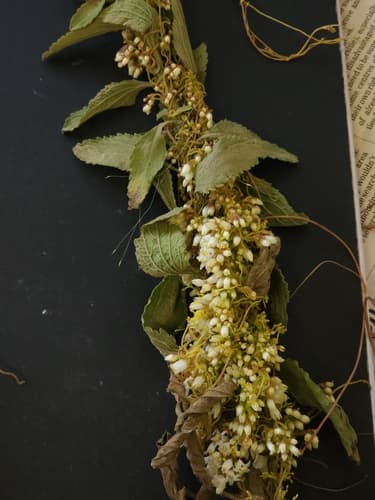
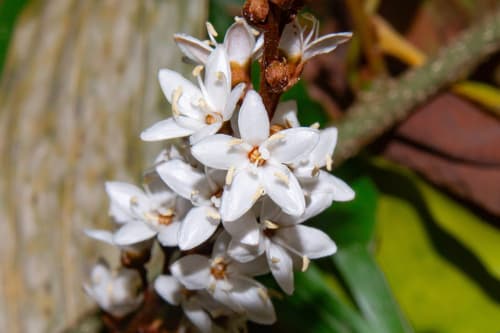
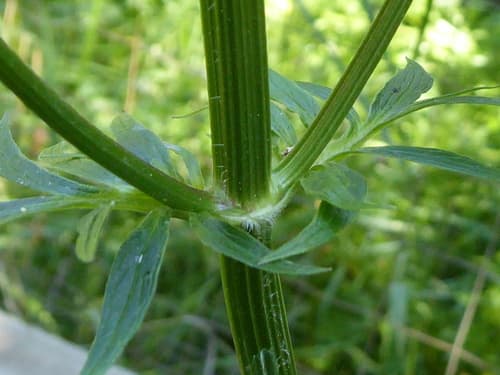
Valerian is a perennial flowering plant known for its erect, hollow, and grooved stem, as seen in the image. It features pinnately compound leaves with serrated leaflets, typically arranged oppositely along the stem. The plant produces clusters of small, fragrant white or pink flowers.