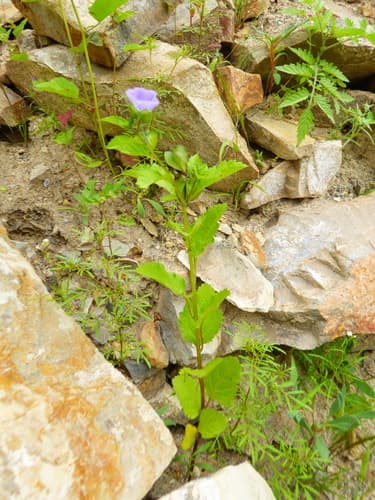
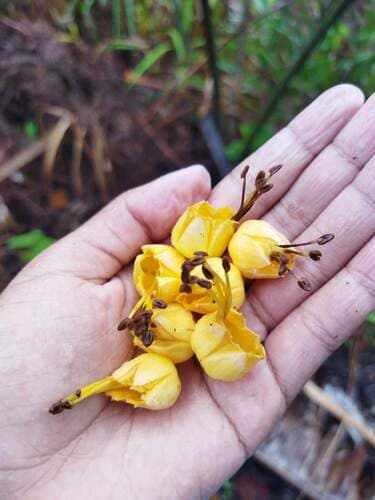
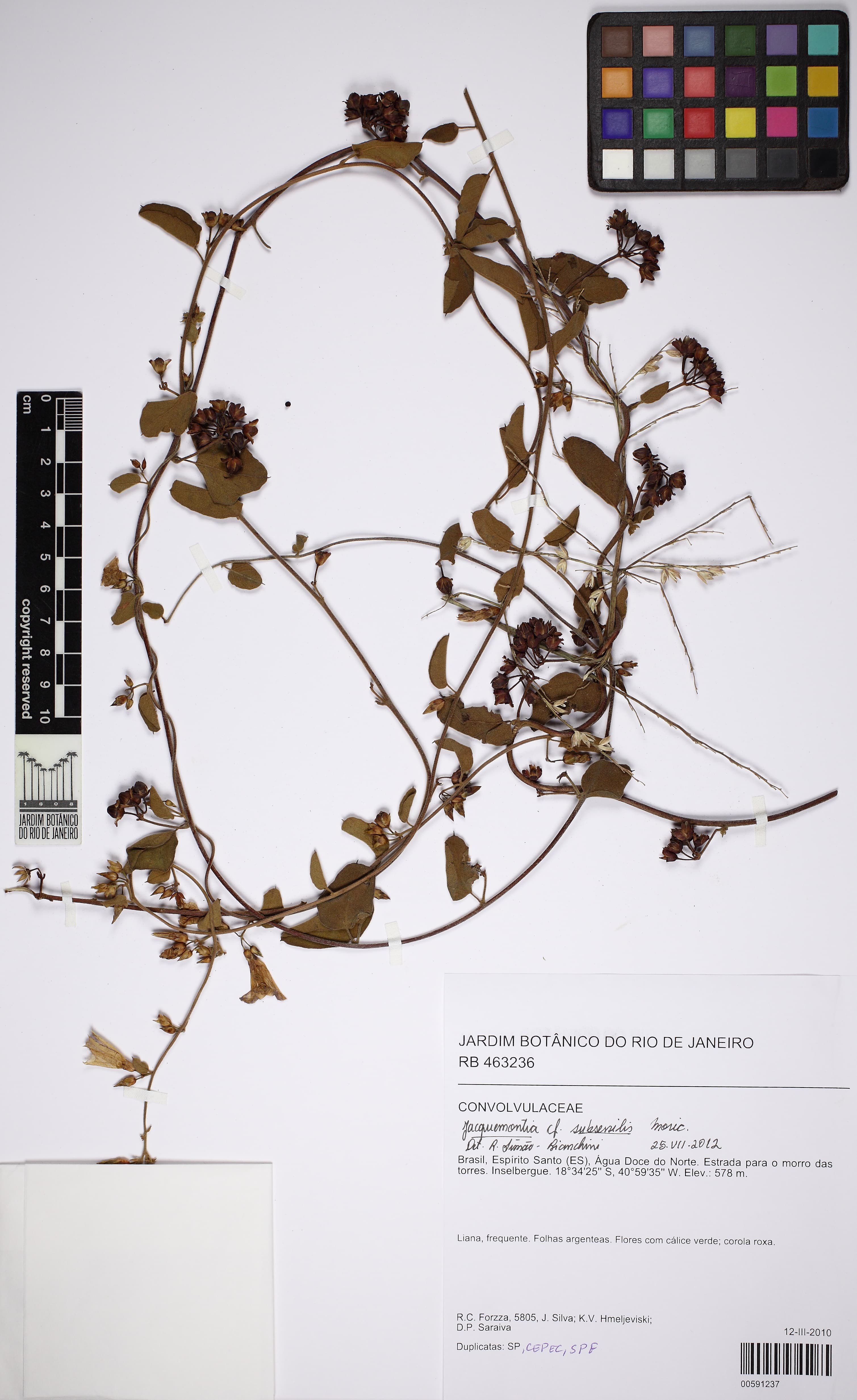
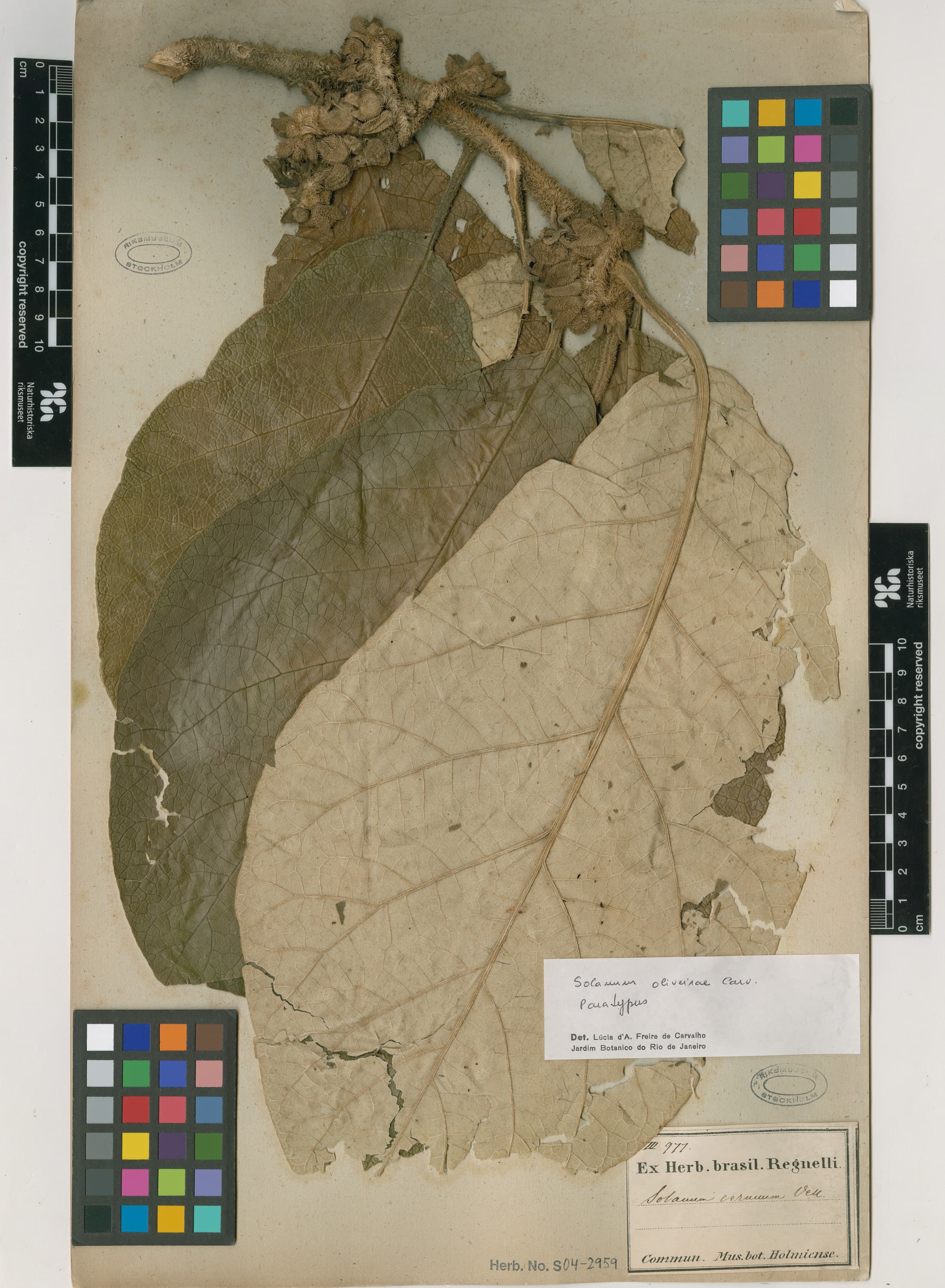
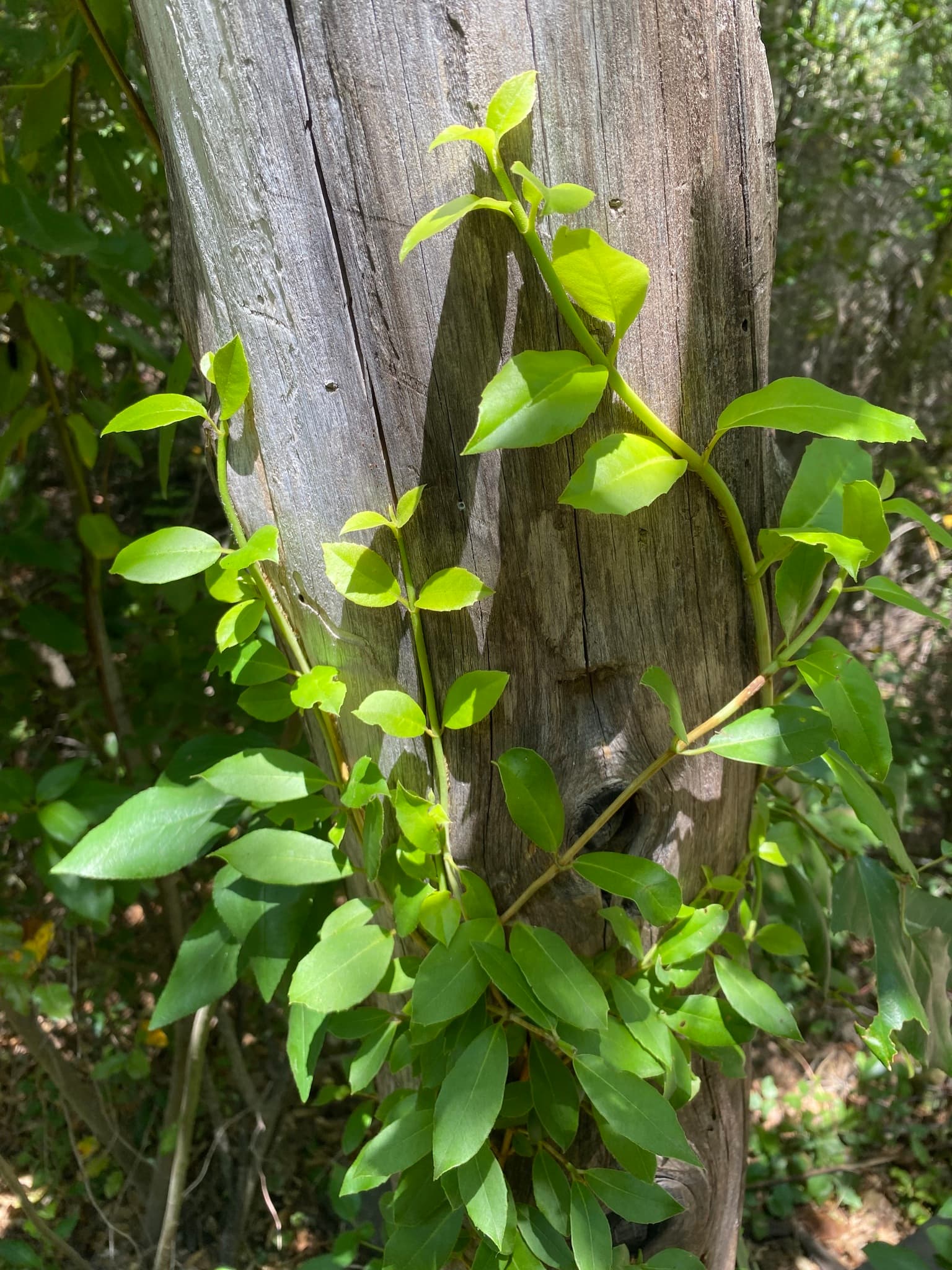
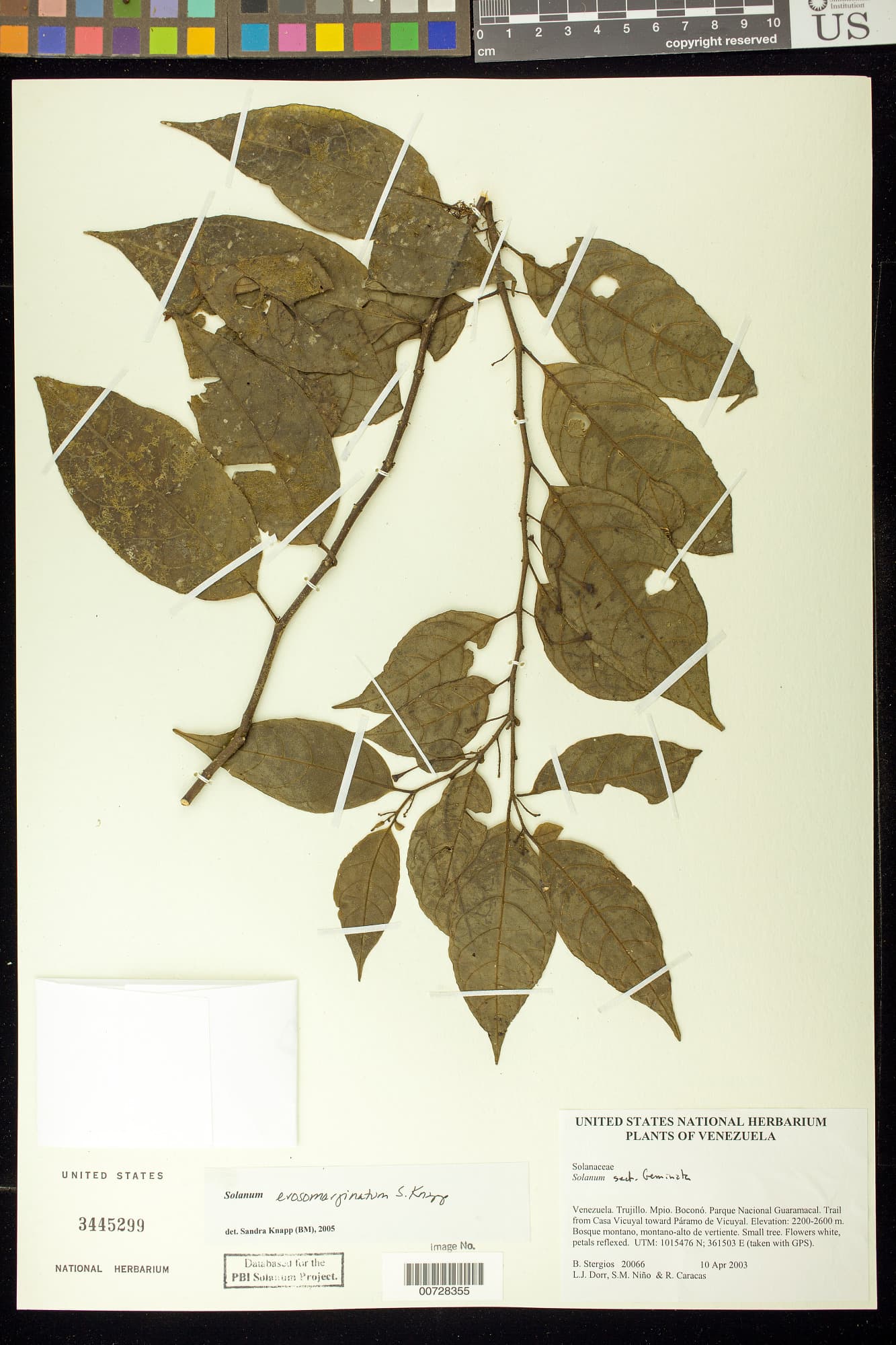
manyflower tobacco
Namemanyflower tobacco
Scientific NameNicotiana alata
Common Namesmanyflower tobacco, Flowering Tobacco, Jasmine Tobacco, Winged Tobacco
Plant FamilySolanaceae
Natural HabitatNative to South America, it thrives in open woodlands, forest edges, and disturbed areas. It is widely cultivated globally as an ornamental garden plant.
Parts Usedleaf,flower
Medicinal Actionsanalgesic, sedative, antimicrobial
Traditional UsesHistorically, various Nicotiana species, including those similar to manyflower tobacco, have been used by indigenous cultures for ceremonial and ritualistic purposes, often as powerful psychoactive agents. Topically, poultices made from the leaves were applied for pain relief, such as toothaches and rheumatic pains. Internally, it was sometimes used as a strong emetic or purgative, or for its narcotic effects, always with extreme caution due to its toxicity.
Active ConstituentsNicotine, anabasine, nornicotine, other pyridine alkaloids
Preparation Methodsinfusion, tincture, poultice, powder
Contraindications & WarningsEXTREMELY TOXIC. All parts of the plant are poisonous, especially when ingested. Not for internal use due to high levels of nicotine and other toxic alkaloids, which can cause nausea, vomiting, dizziness, tremors, convulsions, respiratory failure, and death. Highly addictive. Avoid use by pregnant or nursing women, children, and individuals with heart conditions, high blood pressure, ulcers, or neurological disorders. Interacts with numerous medications.
Cultivation NotesManyflower tobacco is easily grown from seed and prefers full sun to partial shade with well-drained soil. It is frost tender and often grown as an annual in temperate climates, though it can self-seed readily. Regular watering is beneficial, especially in dry periods.
Raritycommon
Description
An herbaceous annual or short-lived perennial, this plant typically grows 3-5 feet tall with large, sticky basal leaves. It produces numerous fragrant, trumpet-shaped white flowers that open primarily in the evening, borne on tall, branching stems.