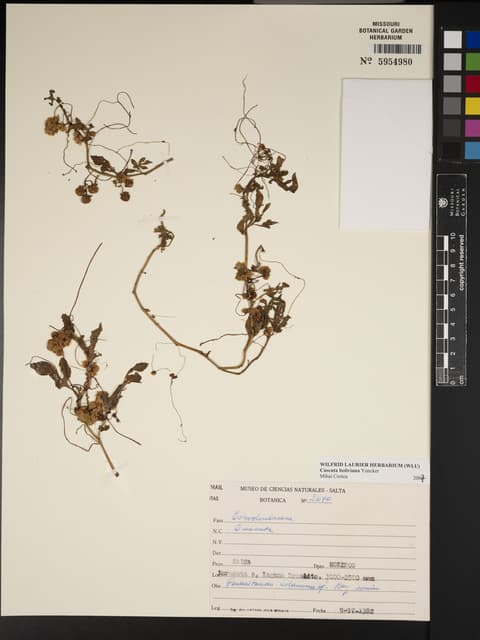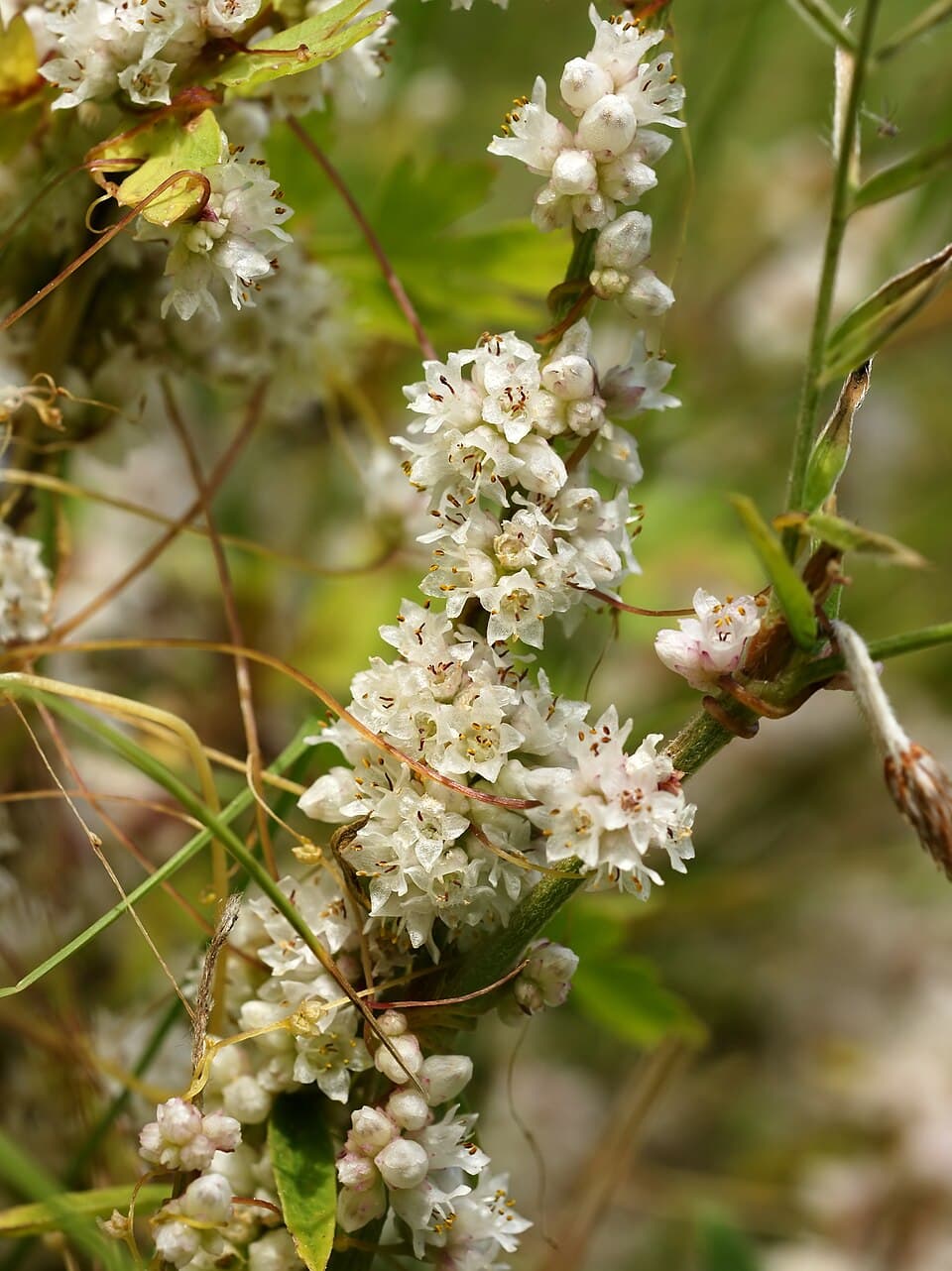
Cuscuta babylonica
Image: Meise Botanic Garden (cc-by)
NameCuscuta babylonica
Scientific NameCuscuta babylonica Aucher ex Choisy
Common NamesDodder, Love Vine, Hellweed, Strangleweed
Plant FamilyConvolvulaceae
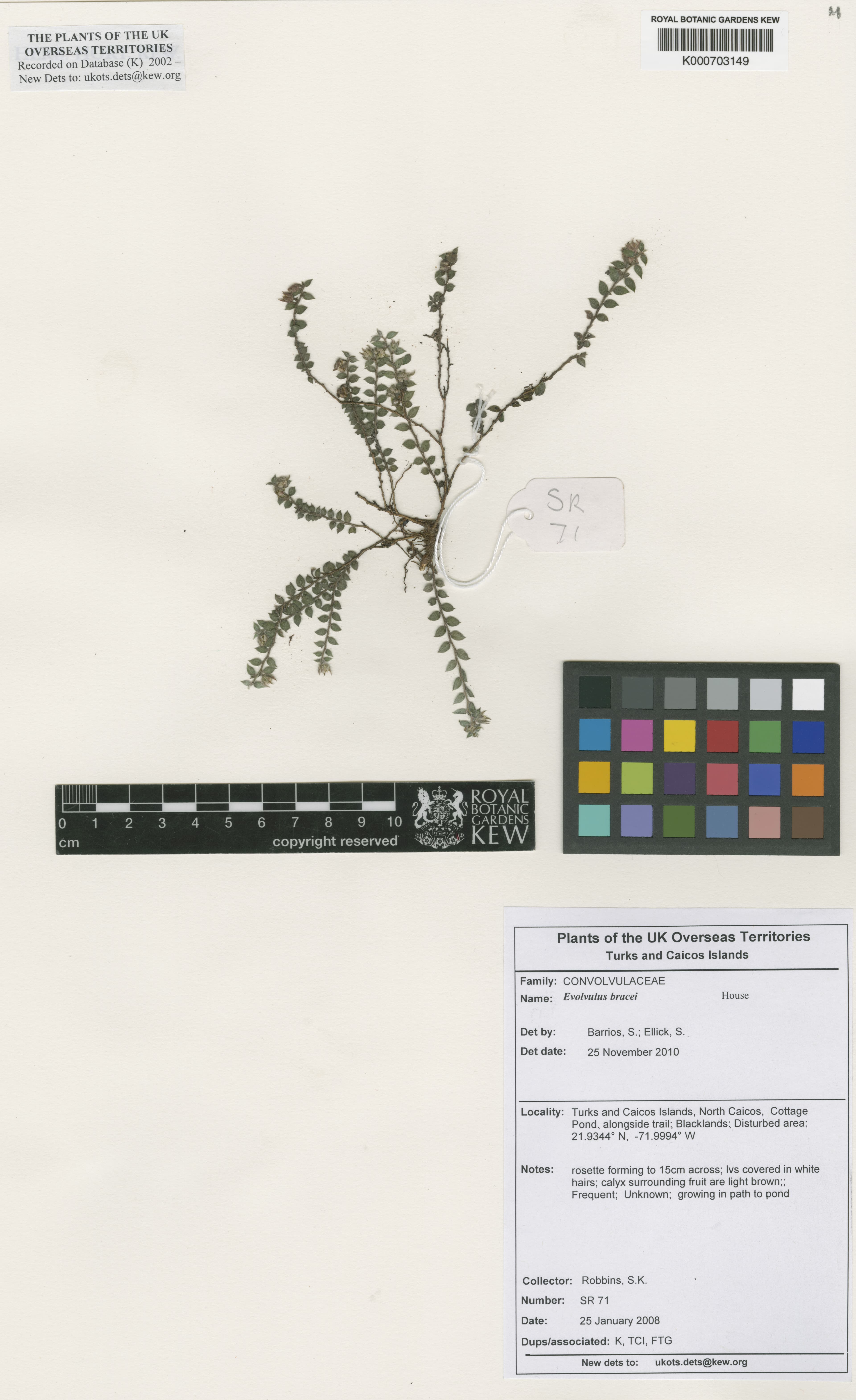
Natural HabitatThis species is found in arid to semi-arid regions, particularly in salt marshes and saline environments. It parasitizes various host plants, as noted on the herbarium label, including Prosopis farcta and Atriplex halimus in the Lower Jordan Valley.
Parts Usedwhole_plant,seed
Medicinal Actionsadaptogen, anti-inflammatory, antimicrobial, antioxidant, astringent, diuretic, nervine
Traditional UsesTraditionally, various Cuscuta species, including C. babylonica, have been used in herbal medicine as a tonic for the kidneys and liver, to improve vision, and to strengthen bones. It is also employed to address issues such as impotence, premature ejaculation, frequent urination, and chronic diarrhea, often considered a general vitalizing tonic.
Active ConstituentsFlavonoids, Lignans, Polysaccharides, Coumarins, Alkaloids, Saponins
Preparation Methodsinfusion, decoction, tincture, powder
Contraindications & WarningsCuscuta species should be used with caution during pregnancy and lactation. Traditional Chinese Medicine advises against its use in cases of yin deficiency with heat signs. Due to potential coumarin content, caution is advised for individuals on blood-thinning medications.
Cultivation NotesAs an obligate parasitic plant, Cuscuta babylonica cannot be cultivated independently. Its 'cultivation' involves growing suitable host plants (e.g., specific shrubs or agricultural crops) and then introducing Cuscuta seeds or plant fragments to allow it to parasitize them. It is generally considered an agricultural weed.
Raritycommon
Description
Cuscuta babylonica is an obligate parasitic annual plant, characterized by its slender, leafless, yellowish-red to purplish thread-like stems that twine extensively around host vegetation. It lacks chlorophyll, relying entirely on its host for nutrients, which it extracts via specialized haustoria.