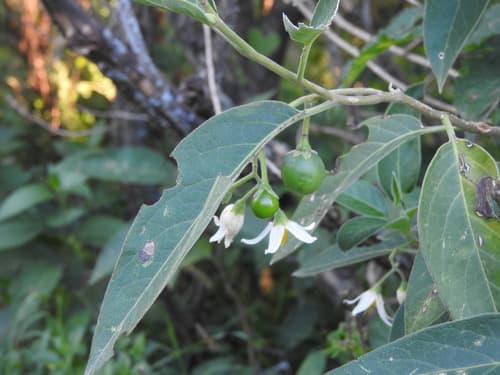
Green Cestrum
NameGreen Cestrum
Scientific NameCestrum parqui
Common NamesGreen Cestrum, Palqui, Chilean Cestrum, Willow-leaved Jessamine, Green Poison Berry
Plant FamilySolanaceae
Natural HabitatNative to South America, particularly Chile and Argentina, it thrives in disturbed areas, roadsides, forest margins, and riparian zones. It is often found in temperate to subtropical climates and is considered an invasive species in some regions.
Parts Usedleaf,bark,fruit
Medicinal Actionsanalgesic, anti-inflammatory, antimicrobial
Traditional UsesTraditionally, in some South American folk medicine, leaves were used externally as poultices for skin infections, wounds, and rheumatic pain. Highly diluted internal preparations were sometimes used as a febrifuge (fever reducer) or purgative, but these internal uses are extremely dangerous due to the plant's high toxicity.
Active ConstituentsCardiac glycosides (e.g., parquin), Saponins, Alkaloids (e.g., solasonine, solamargine), Flavonoids
Preparation Methodspoultice
Contraindications & WarningsALL parts of the Cestrum parqui plant are highly toxic to humans and animals, especially the berries and leaves. Ingestion can cause severe gastrointestinal upset, neurological symptoms (tremors, convulsions), respiratory distress, cardiac issues, and can be fatal. It should not be used internally under any circumstances. External use should be approached with extreme caution due to potential skin irritation and absorption of toxins. Pregnant or breastfeeding women, children, and individuals with heart conditions should strictly avoid contact.
Cultivation NotesPrefers full sun to partial shade and well-drained soil. It is drought-tolerant once established and can tolerate a range of soil types. Propagated by seed or cuttings. Due to its toxicity and invasive potential, cultivation should be approached with caution, especially in areas with livestock or children.
Raritycommon
Description
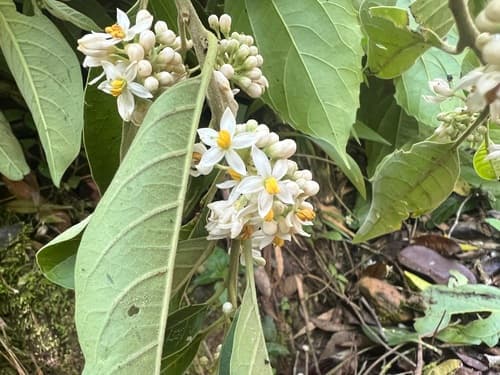
Cestrum parqui is a fast-growing, semi-deciduous shrub or small tree, typically reaching 2-4 meters in height. It features lanceolate, dark green leaves and clusters of fragrant, tubular, greenish-yellow flowers that bloom primarily in summer and autumn, followed by small, black, berry-like fruits.