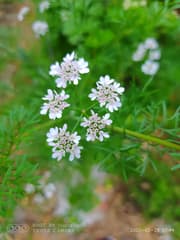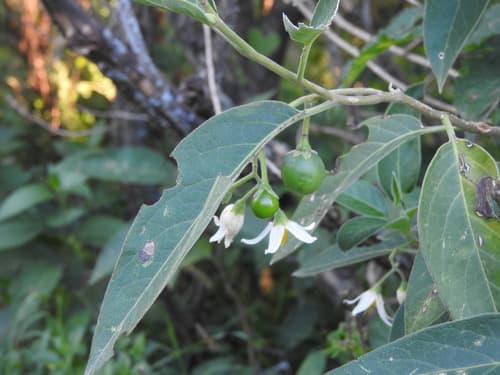
Solanum stuckertii
NameSolanum stuckertii
Scientific NameSolanum stuckertii
Common NamesStuckert's Nightshade
Plant FamilySolanaceae
Natural HabitatThis species is native to South America, particularly found in Argentina, where it typically grows in disturbed areas, roadsides, and open woodlands.
Parts Usedleaf,fruit,whole_plant
Medicinal Actionsanti-inflammatory, analgesic, antimicrobial
Traditional UsesWhile specific traditional uses for Solanum stuckertii are not widely documented, many species within the Solanum genus are traditionally used externally for their anti-inflammatory and analgesic properties, often applied as poultices for skin conditions, wounds, or localized pain. Internal use is generally avoided due to toxicity.
Active Constituentssteroidal glycoalkaloids, solanine, solamargine
Preparation Methodspoultice, decoction, infusion
Contraindications & WarningsAll parts of Solanum stuckertii, especially the unripe fruits, are considered toxic due to the presence of steroidal glycoalkaloids. Ingestion can cause severe gastrointestinal upset, neurological symptoms, and other adverse effects. It should not be consumed internally without expert medical supervision and is generally not recommended for self-medication.
Cultivation NotesSolanum stuckertii prefers full sun to partial shade and well-drained soil. It is a relatively hardy plant within its native range, often found in disturbed or ruderal habitats, suggesting it can tolerate a range of soil conditions.
Rarityuncommon
Description
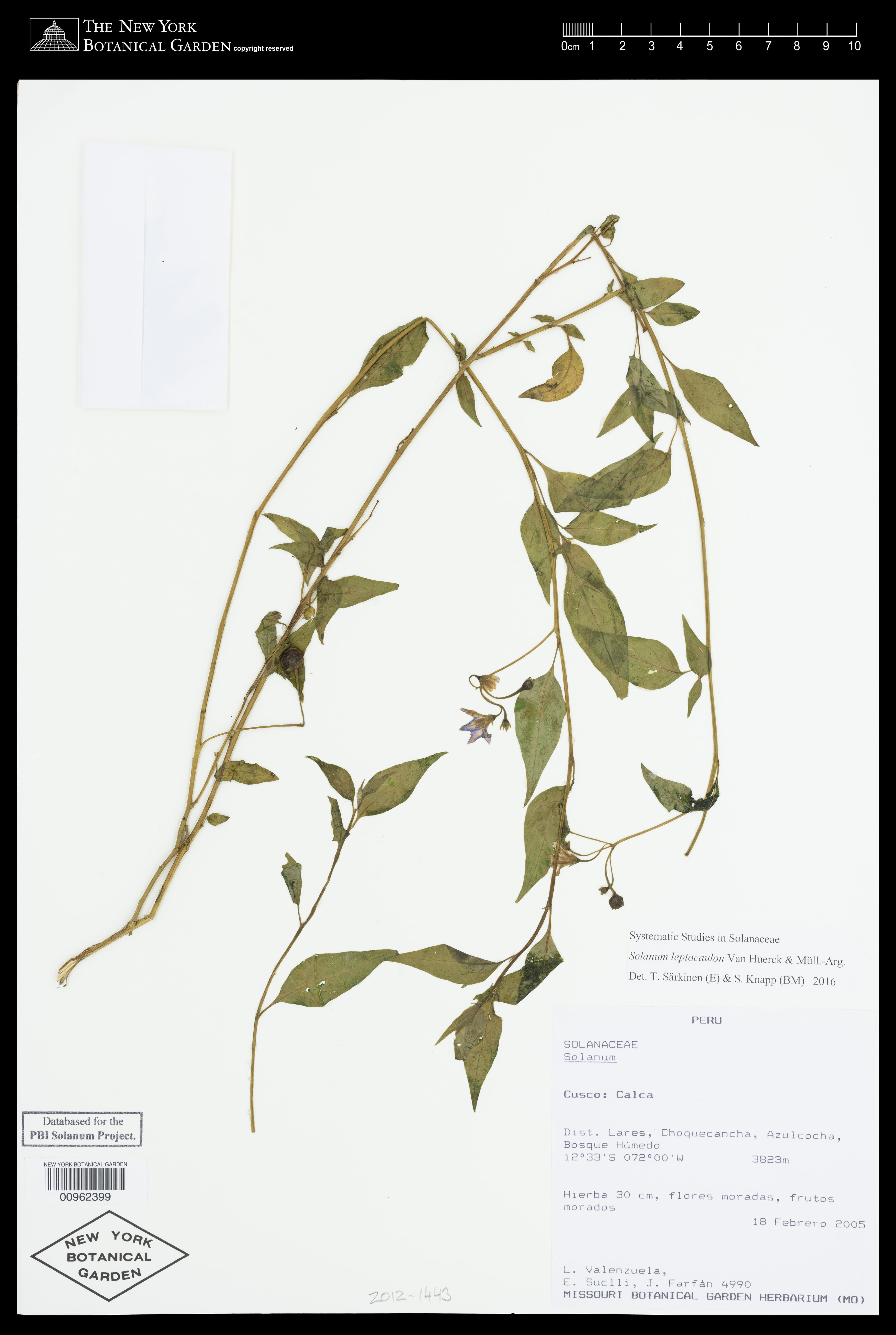
Solanum stuckertii is a herbaceous plant or small shrub characterized by simple, often hairy leaves. It produces small white flowers with prominent yellow centers, which develop into small, spherical green berries that are visible in various stages of development.