glaucousleaf cestrum
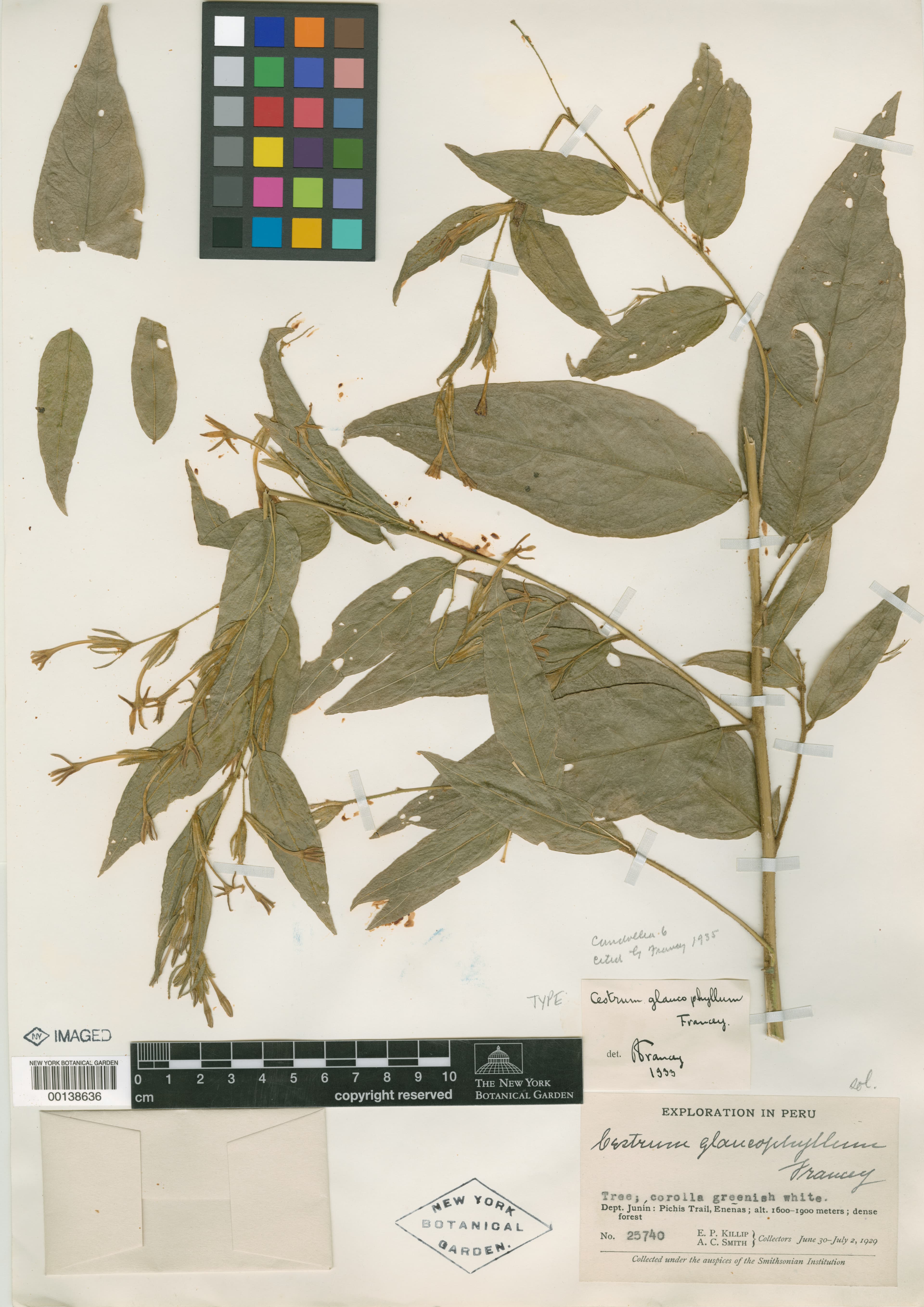
Image: The New York Botanical Garden (cc-by)
Nameglaucousleaf cestrum
Scientific NameCestrum glaucophyllum
Common Namesglaucousleaf cestrum
Plant FamilySolanaceae
Natural HabitatNative to the dense forest environments of the Andes in Peru, specifically found at altitudes ranging from 1600 to 1900 meters in regions such as Junín.
Parts Usedleaf,flower
Medicinal Actionsanalgesic, anti-inflammatory
Traditional UsesWhile specific traditional uses for *Cestrum glaucophyllum* are not widely documented, other species within the *Cestrum* genus have been traditionally used in some regions for their analgesic and anti-inflammatory properties, often applied externally or with extreme caution due to the plant's known toxicity.
Active Constituentssteroidal glycoalkaloids, saponins, flavonoids
Preparation Methodspoultice, salve
Contraindications & WarningsAll parts of *Cestrum* species are generally considered toxic due to the presence of steroidal glycoalkaloids. Ingestion can cause severe gastrointestinal upset, neurological symptoms, and can be fatal. Avoid use during pregnancy, lactation, and in children. Consult a qualified healthcare professional before any use.
Cultivation NotesTypically grown as an ornamental in tropical and subtropical climates. It prefers well-drained soil and full sun to partial shade, and can be sensitive to frost, requiring protection in cooler regions.
Rarityuncommon
Description
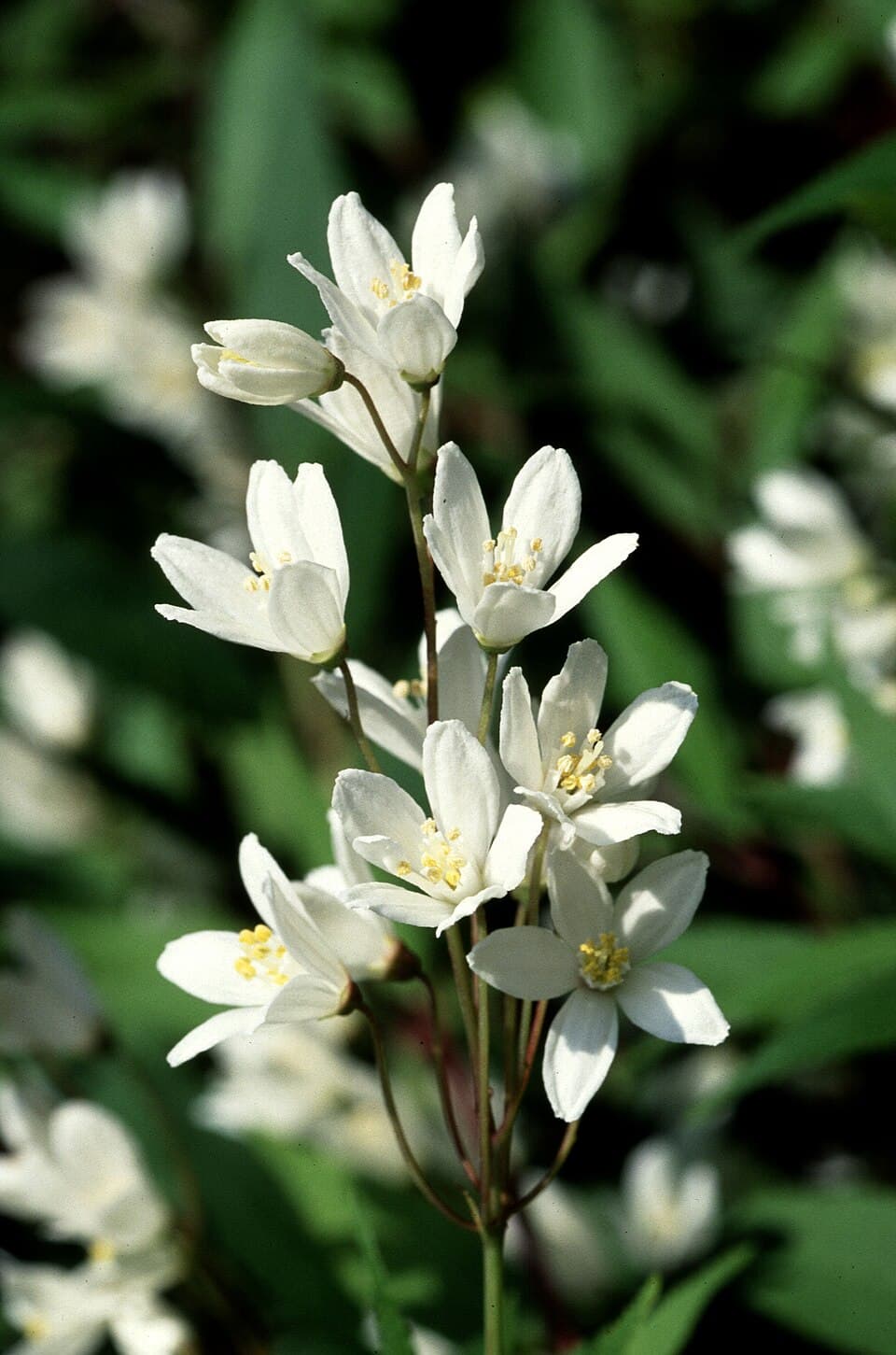
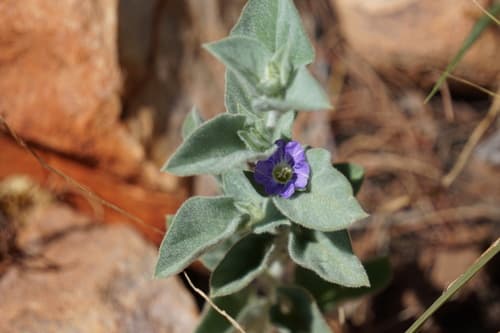
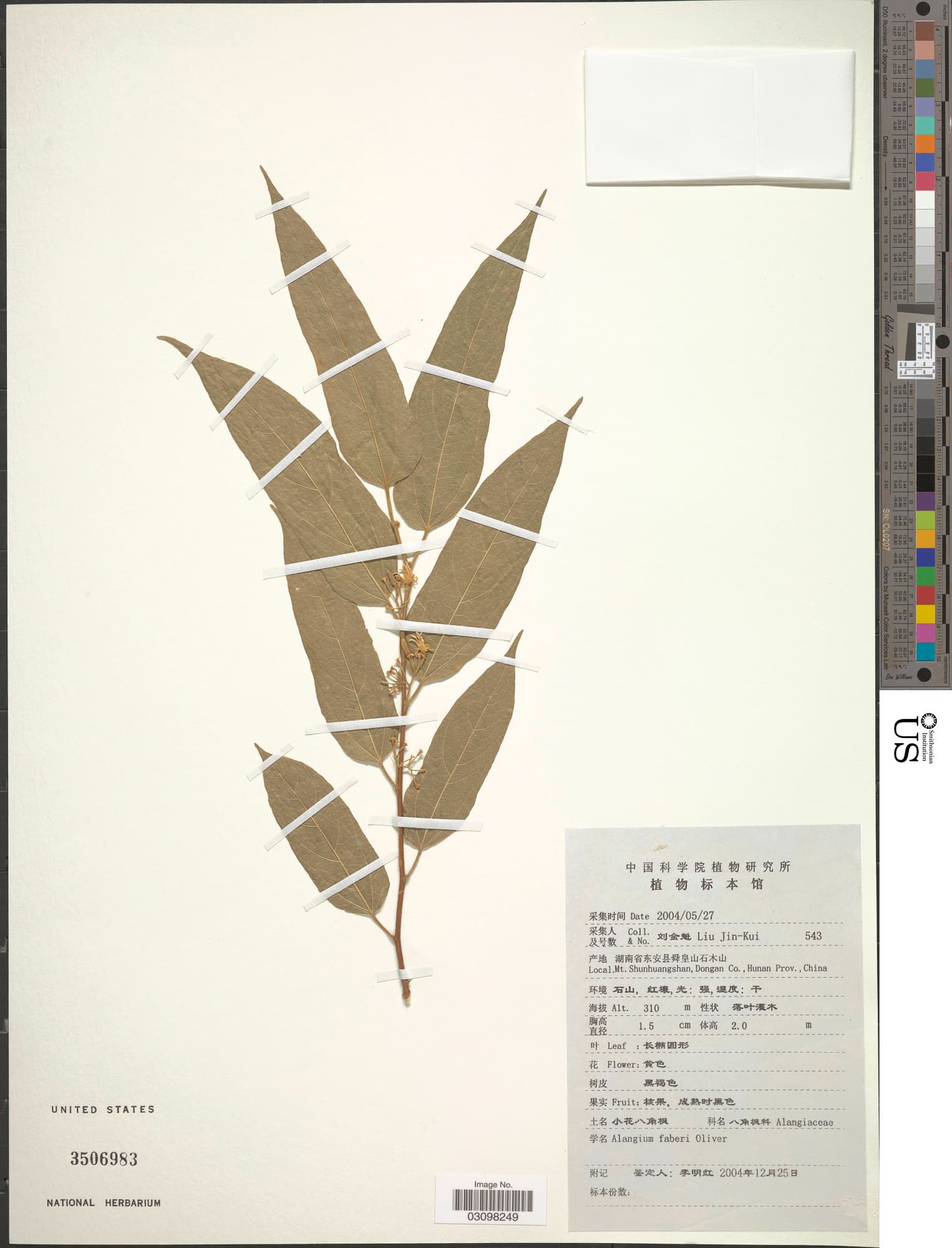
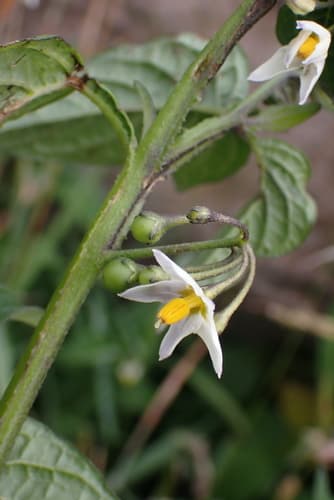
A woody shrub or small tree characterized by its simple, alternate leaves, which are often described as glaucous (bluish-green). It produces clusters of small, tubular flowers, noted in the specimen metadata as greenish-white.