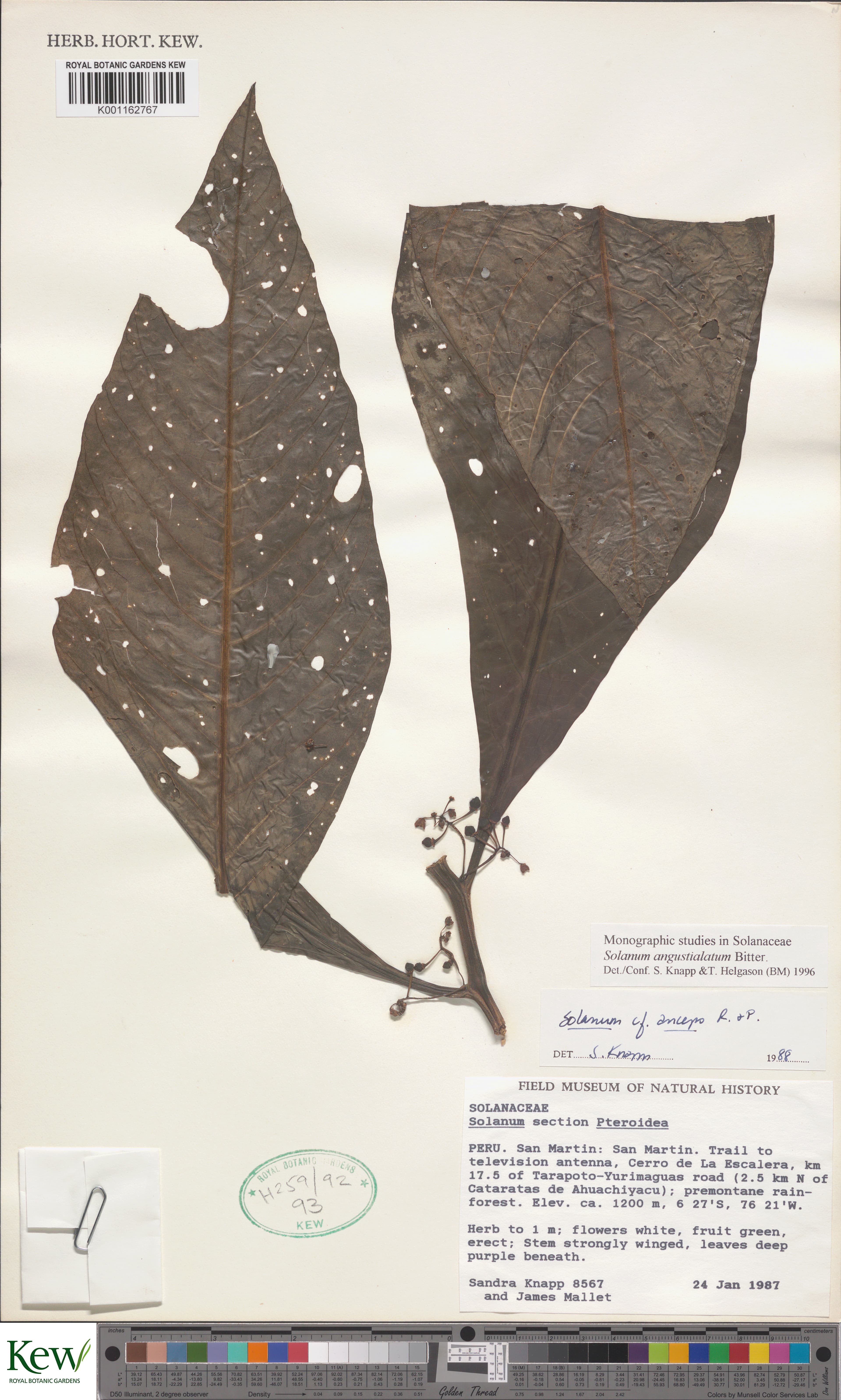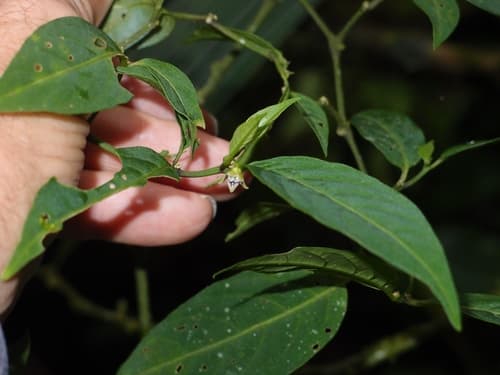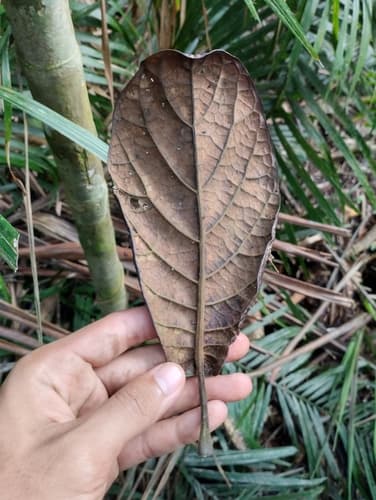
Alangium nobile
NameAlangium nobile
Scientific NameAlangium nobile
Common NamesAlangium nobile
Plant FamilyAlangiaceae
Natural HabitatTypically found in lowland primary and secondary rainforests, often thriving in moist, well-drained soils on hillsides and along riverbanks.
Parts Usedbark,root,leaf
Medicinal Actionsanti-inflammatory, antimicrobial, antioxidant, analgesic
Traditional UsesIn traditional Southeast Asian medicine, *Alangium nobile* has been utilized for its anti-inflammatory and pain-relieving properties. The bark and roots are commonly prepared as decoctions to treat fevers, various aches, and internal inflammations, while leaves may be applied externally for skin ailments.
Active Constituentsalkaloids, triterpenoids, flavonoids, tannins
Preparation Methodsdecoction, poultice, infusion
Contraindications & WarningsDue to the presence of potent alkaloids, caution is advised. Not recommended for pregnant or nursing women, or individuals with pre-existing gastrointestinal conditions. Consultation with a qualified herbalist or healthcare professional is recommended before use.
Cultivation NotesPrefers tropical climates with high humidity and consistent moisture. Thrives in well-drained, fertile soil and can tolerate partial shade when young, maturing to full sun exposure. Propagation is primarily by seeds.
Rarityuncommon
Description
Alangium nobile is a medium to large tree native to tropical and subtropical rainforests of Southeast Asia. It is characterized by its large, alternate, ovate to elliptical leaves with prominent venation, and produces fragrant white or yellowish flowers that develop into drupaceous fruits.