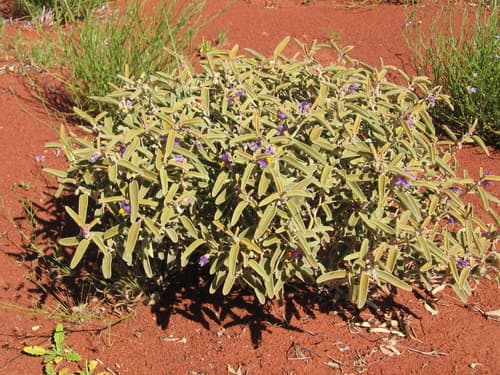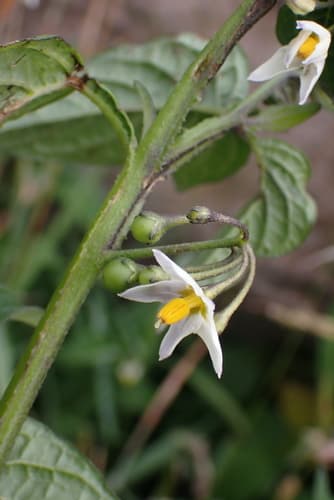
Solanum antisuyo
NameSolanum antisuyo
Scientific NameSolanum antisuyo
Common NamesAntisuyo Nightshade, Andean Nightshade
Plant FamilySolanaceae
Natural HabitatNative to the Andean regions of South America, commonly found in disturbed areas, agricultural fields, roadsides, and open woodlands, often at moderate to high elevations.
Parts Usedleaf,fruit,whole_plant
Medicinal Actionsanalgesic, anti-inflammatory, diuretic, sedative
Traditional UsesTraditionally, the leaves are used externally as poultices for skin inflammations, wounds, boils, and rheumatic pain. In some Andean communities, ripe berries are consumed in small quantities, and decoctions are cautiously used internally as a diuretic, febrifuge, or for sedative effects.
Active ConstituentsSolanine, Solamargine, Solasonine, Saponins, Flavonoids
Preparation Methodspoultice, decoction, infusion
Contraindications & WarningsAll parts of the plant, especially unripe fruits and leaves, are highly toxic due to steroidal glycoalkaloids like solanine. Ingestion can cause severe gastrointestinal upset, neurological symptoms, and can be fatal. Avoid use during pregnancy and lactation. Exercise extreme caution with internal use and only under expert supervision.
Cultivation NotesThis plant grows readily in disturbed soils and can be considered a weed. It prefers full sun to partial shade and well-drained soil, tolerating a range of conditions.
Raritycommon
Description
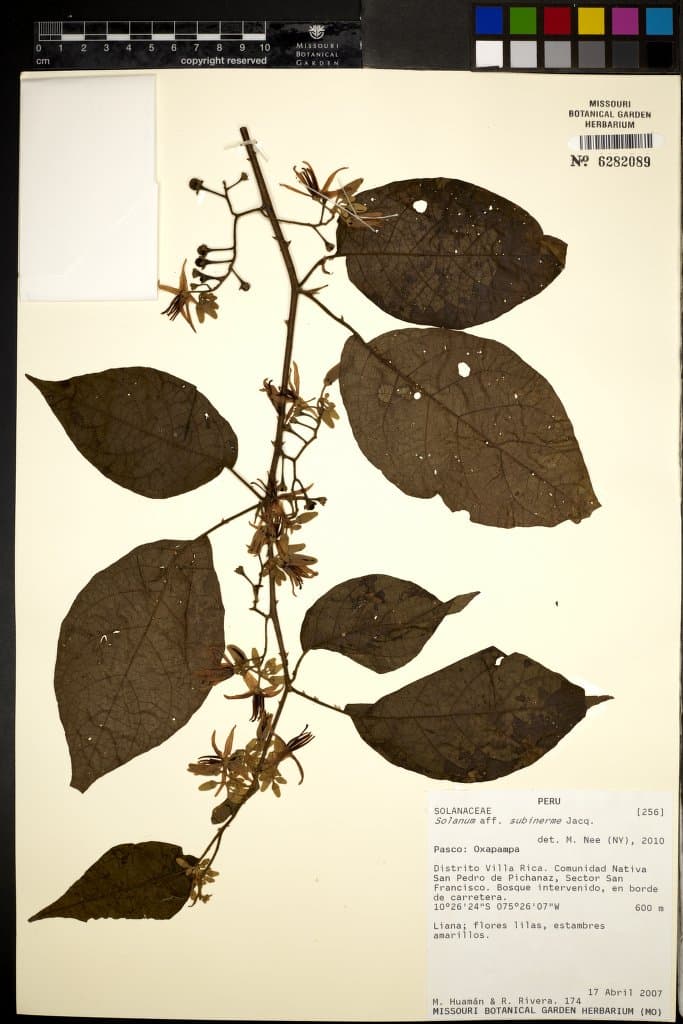
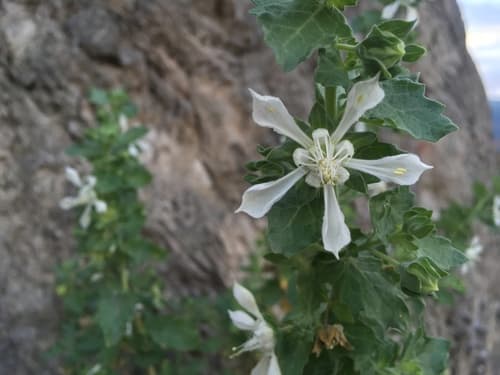
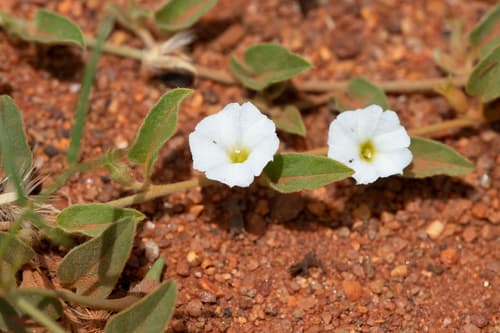
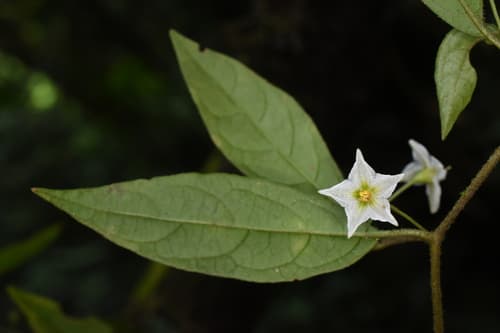
An herbaceous annual or short-lived perennial plant, typically growing erect or sprawling, with simple, ovate to lanceolate leaves. It produces small white, star-shaped flowers with prominent yellow anthers, which develop into small green berries that ripen to black.