Madagascar Periwinkle
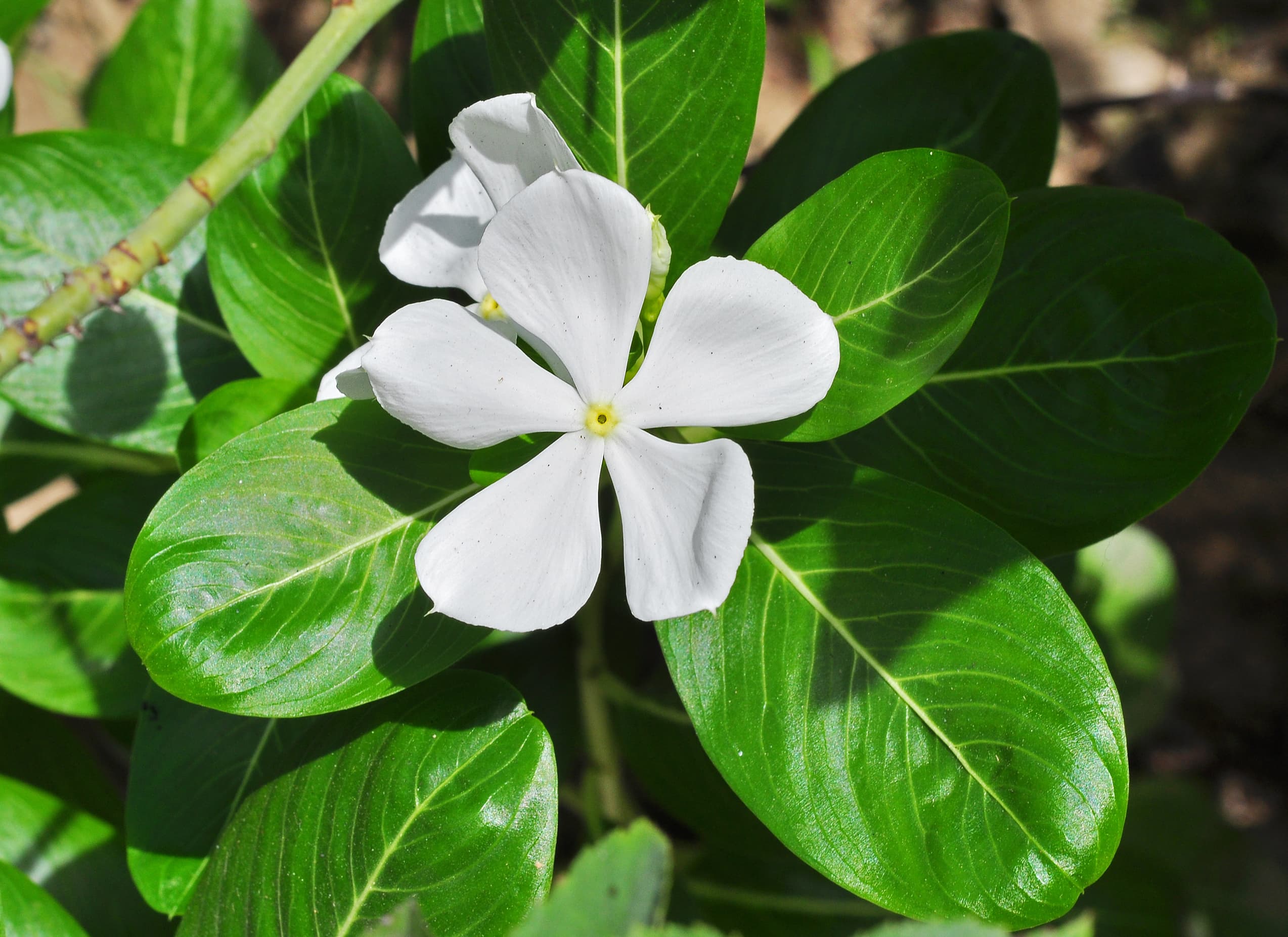
Image: Joydeep (CC BY-SA 3.0)
NameMadagascar Periwinkle
Scientific NameCatharanthus roseus
Common NamesMadagascar Periwinkle, Bright Eyes, Cape Periwinkle, Old Maid, Pink Periwinkle, Rose Periwinkle
Plant FamilyApocynaceae
Natural HabitatNative to Madagascar, it thrives in tropical and subtropical regions, often found in coastal areas, open woodlands, and disturbed grounds. It is widely cultivated as an ornamental and has naturalized in many warm climates.
Parts Usedwhole_plant,leaf,root
Medicinal Actionsanti-inflammatory, antioxidant, diuretic
Traditional UsesTraditionally, the plant was used in folk medicine for various ailments, including diabetes, malaria, dysentery, and sore throats. In modern medicine, its potent alkaloids are crucial for treating certain cancers like leukemia and Hodgkin's lymphoma.
Active ConstituentsVincristine, Vinblastine, Ajmalicine, Serpentine
Preparation Methodsinfusion, decoction, powder
Contraindications & WarningsThe plant is highly toxic if ingested directly and can cause severe gastrointestinal issues, neurotoxicity, and bone marrow suppression. It should never be used as a self-medication herbal remedy due to its potent and dangerous alkaloids. Interactions with other medications are likely due to its potent compounds.
Cultivation NotesGrows best in full sun to partial shade and well-drained soil. It is drought-tolerant once established and can be propagated from seeds or cuttings. It is sensitive to cold and frost.
Raritycommon
Description
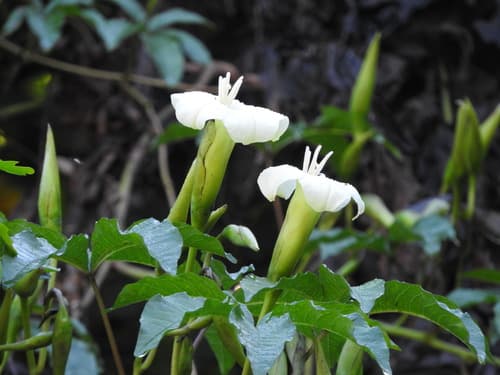
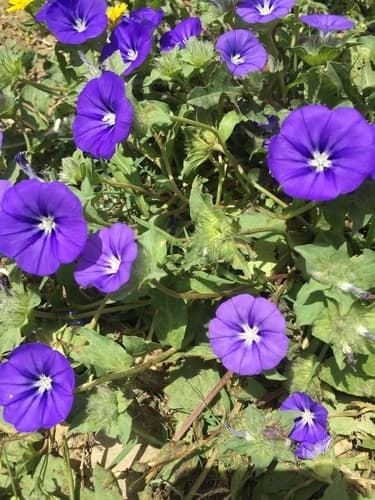
A herbaceous perennial or subshrub, typically growing 1-2 feet tall, with glossy dark green leaves arranged in opposite pairs. It produces five-petaled flowers, often pink, white, or purplish with a contrasting eye, blooming almost continuously.