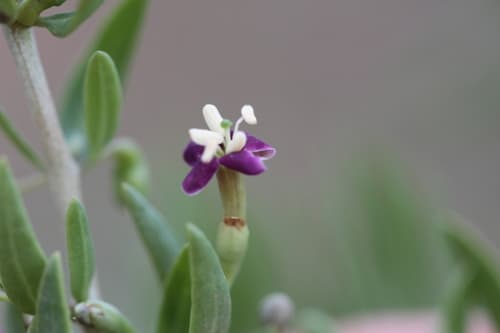
giant devil's-fig
Namegiant devil's-fig
Scientific NameSolanum torvum
Common NamesGiant Devil's Fig, Turkey Berry, Devil's Fig, Prickly Solanum
Plant FamilySolanaceae
Natural HabitatNative to Central and South America, it is now widely naturalized and often invasive in tropical and subtropical regions worldwide, thriving in disturbed areas, forest edges, pastures, and open fields.
Parts Usedleaf,flower,fruit,root
Medicinal Actionsanti-inflammatory, antimicrobial, antioxidant, analgesic, diuretic
Traditional UsesTraditionally used for treating colds, coughs, skin infections, wounds, digestive problems, and as a diuretic. The fruits are consumed in some cultures for their nutritional and medicinal properties, while leaves and roots are used in poultices or decoctions.
Active ConstituentsSolasodine, Torvosides, Flavonoids, Saponins, Steroidal glycoalkaloids
Preparation Methodsinfusion, decoction, poultice, powder
Contraindications & WarningsDue to the presence of steroidal glycoalkaloids, caution is advised, especially with unripe fruits or large doses. Not recommended for pregnant or breastfeeding women, or individuals with allergies to Solanaceae plants. May interact with certain medications.
Cultivation NotesA fast-growing, hardy shrub that tolerates a wide range of soil conditions but prefers full sun and well-drained soil. It can be propagated by seed and is often considered a weed due to its vigorous growth and invasiveness in some regions.
Raritycommon
Description
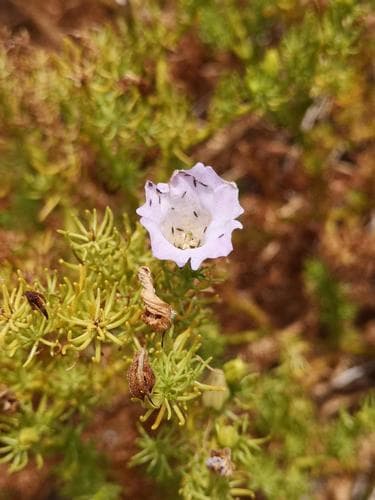
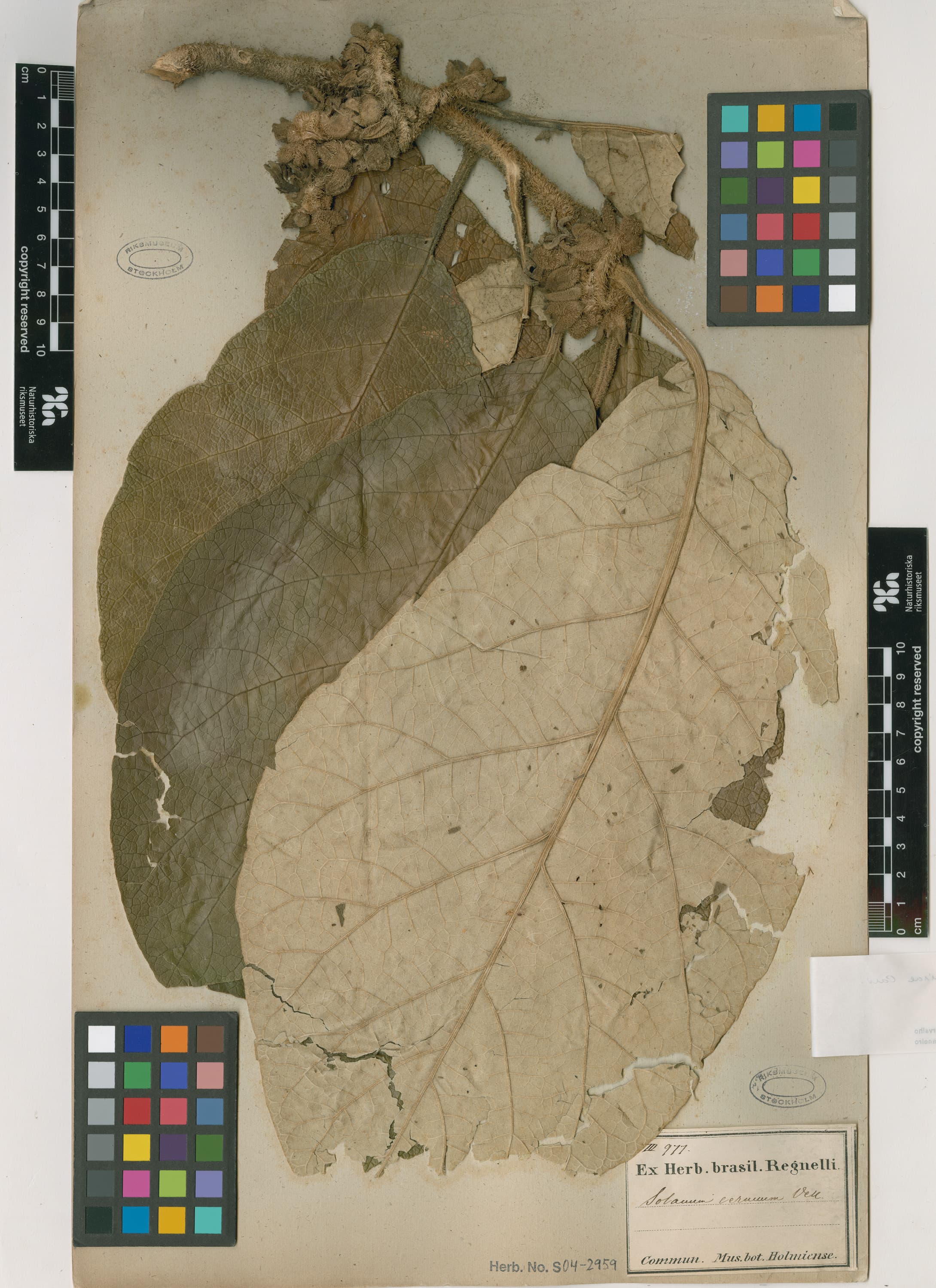
This robust, thorny shrub features large, deeply lobed leaves that are often hairy on the underside. It produces clusters of small, white, star-shaped flowers with prominent yellow anthers, followed by green berries that ripen to yellow.