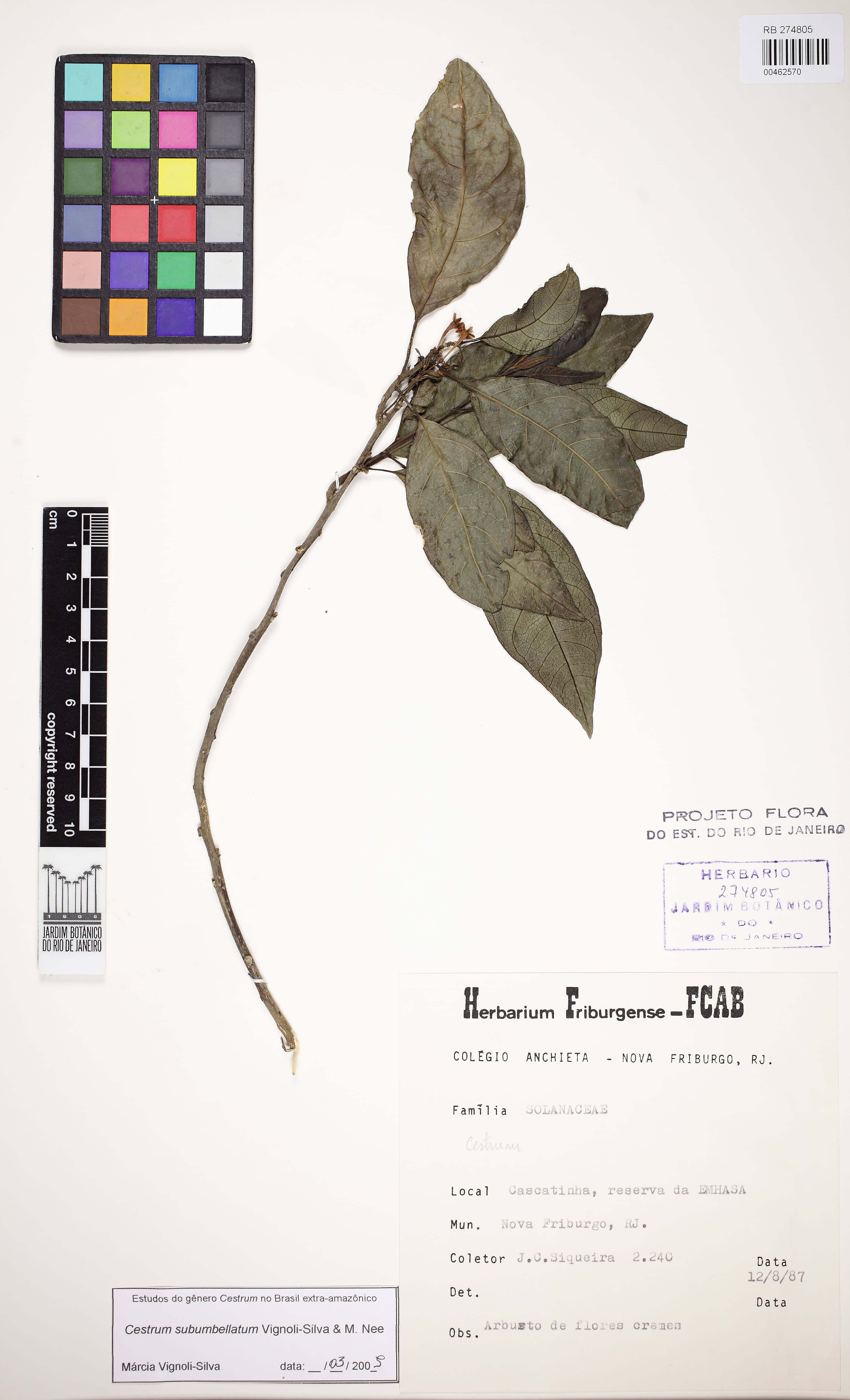
Cestrum subumbellatum
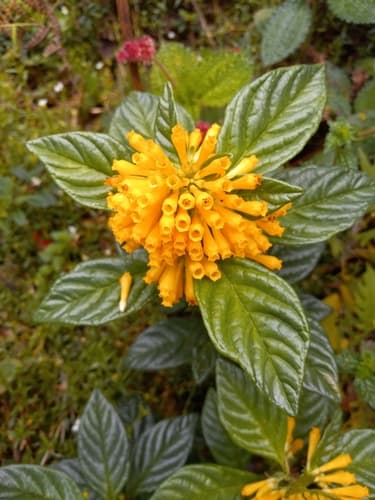
Image: J.C. Siqueira (cc-by)
NameCestrum subumbellatum
Scientific NameCestrum subumbellatum Vig.-Silva & M.Nee
Plant FamilySolanaceae
Natural HabitatNative to tropical and subtropical regions, specifically documented from Cascatina, Reserva da EMHASA, Nova Friburgo, Rio de Janeiro, Brazil, suggesting an affinity for forest or reserve environments within the Atlantic Forest biome.
Parts Usedleaf,flower
Medicinal Actionsanalgesic, anti-inflammatory, antimicrobial
Traditional UsesWhile specific traditional uses for Cestrum subumbellatum are not widely documented, other species within the Cestrum genus have been traditionally used in folk medicine for their analgesic, anti-inflammatory, and antimicrobial properties, often applied externally for pain relief, fevers, and skin conditions, due to the genus's general toxicity.
Active Constituentssteroidal glycoalkaloids, saponins, flavonoids
Preparation Methodsinfusion, poultice
Contraindications & WarningsAll Cestrum species are generally considered toxic due to the presence of steroidal glycoalkaloids, which can cause severe gastrointestinal upset, neurological symptoms, and can be fatal if ingested. Internal use is strongly contraindicated. Avoid during pregnancy and lactation, and keep away from children and pets.
Cultivation NotesAs a native of tropical/subtropical regions, Cestrum subumbellatum likely thrives in warm climates with well-drained soil and prefers partial to full sun exposure. Propagation can typically be achieved through seeds or stem cuttings.
Rarityuncommon
Description
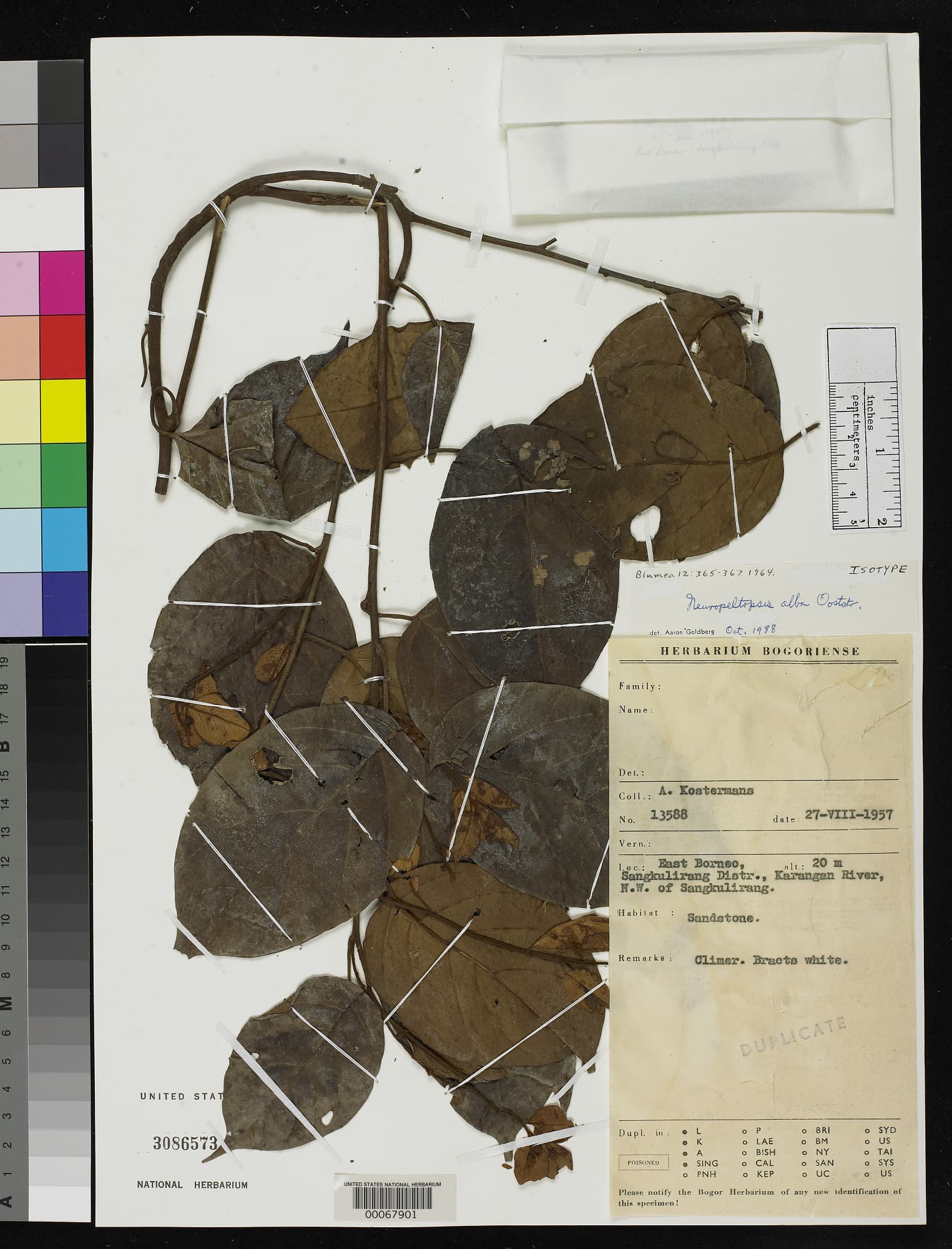
Cestrum subumbellatum is a woody shrub characterized by simple, alternate, ovate to elliptic leaves with prominent venation. The specimen shows dried floral structures, consistent with the description of a shrub bearing cream-colored flowers.