Lycium truncatum
NameLycium truncatum
Scientific NameLycium truncatum
Common NamesTruncate Wolfberry, Desert Wolfberry
Plant FamilySolanaceae
Natural HabitatNative to arid and semi-arid regions of North America, particularly the southwestern United States and northern Mexico. It thrives in deserts, scrublands, and rocky slopes, often in alkaline soils.
Parts Usedfruit,leaf,root
Medicinal Actionsadaptogen, anti-inflammatory, antioxidant
Traditional UsesTraditionally, the berries of Lycium truncatum, similar to other wolfberry species, have been consumed as a food source and for their purported health benefits. Indigenous peoples have used them as a general tonic to support vitality, immune function, and vision, often eaten fresh, dried, or prepared as a tea.
Active ConstituentsPolysaccharides, Carotenoids, Flavonoids, Vitamins (C, A), Trace minerals
Preparation Methodsinfusion, decoction, powder
Contraindications & WarningsGenerally considered safe, but caution is advised for individuals on anticoagulant medications (e.g., warfarin) due to potential interactions from coumarins. May also affect blood sugar levels, so diabetics should monitor their intake.
Cultivation NotesThis drought-tolerant shrub prefers full sun and well-drained, often alkaline, soil. It can be propagated from seeds or cuttings and is well-suited for xeriscaping in arid climates.
Rarityuncommon
Description
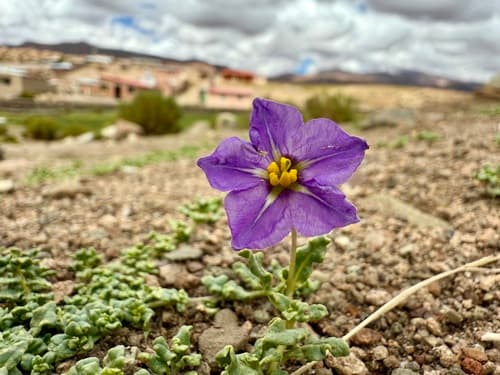
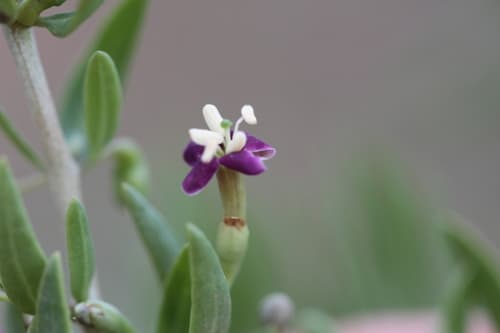
Lycium truncatum is a thorny, deciduous shrub, typically growing up to 1-2 meters tall, with small, fleshy, oblanceolate to spatulate leaves. It produces small, solitary or paired purple flowers with prominent white stamens, which develop into small red or orange berries.