Scaldweed
NameScaldweed
Scientific NameCuscuta epithymum
Common NamesScaldweed, Clover Dodder, Common Dodder, Lesser Dodder, Devil's Guts, Strangleweed
Plant FamilyConvolvulaceae
Natural HabitatFound in fields, meadows, roadsides, and disturbed areas, typically parasitizing herbaceous plants like clover, alfalfa, thyme, and heather. It is widespread in temperate regions.
Parts Usedwhole_plant
Medicinal Actionsdiuretic, astringent, antioxidant, anti-inflammatory
Traditional UsesTraditionally, Scaldweed (Cuscuta epithymum) has been used in European folk medicine as a mild laxative and diuretic, and for supporting liver and gallbladder function. It has also been applied externally for minor skin irritations, burns, or scalds.
Active ConstituentsFlavonoids, Lignans, Coumarins, Polysaccharides, Alkaloids
Preparation Methodsinfusion, decoction, tincture, poultice
Contraindications & WarningsDue to its parasitic nature and potential for toxicity, internal use is generally not recommended without expert guidance. Pregnant and breastfeeding women should avoid use. May interact with medications due to diuretic or laxative effects.
Cultivation NotesNot typically cultivated; it is a parasitic weed that requires a host plant for survival and is often considered a pest in agriculture.
Raritycommon
Description
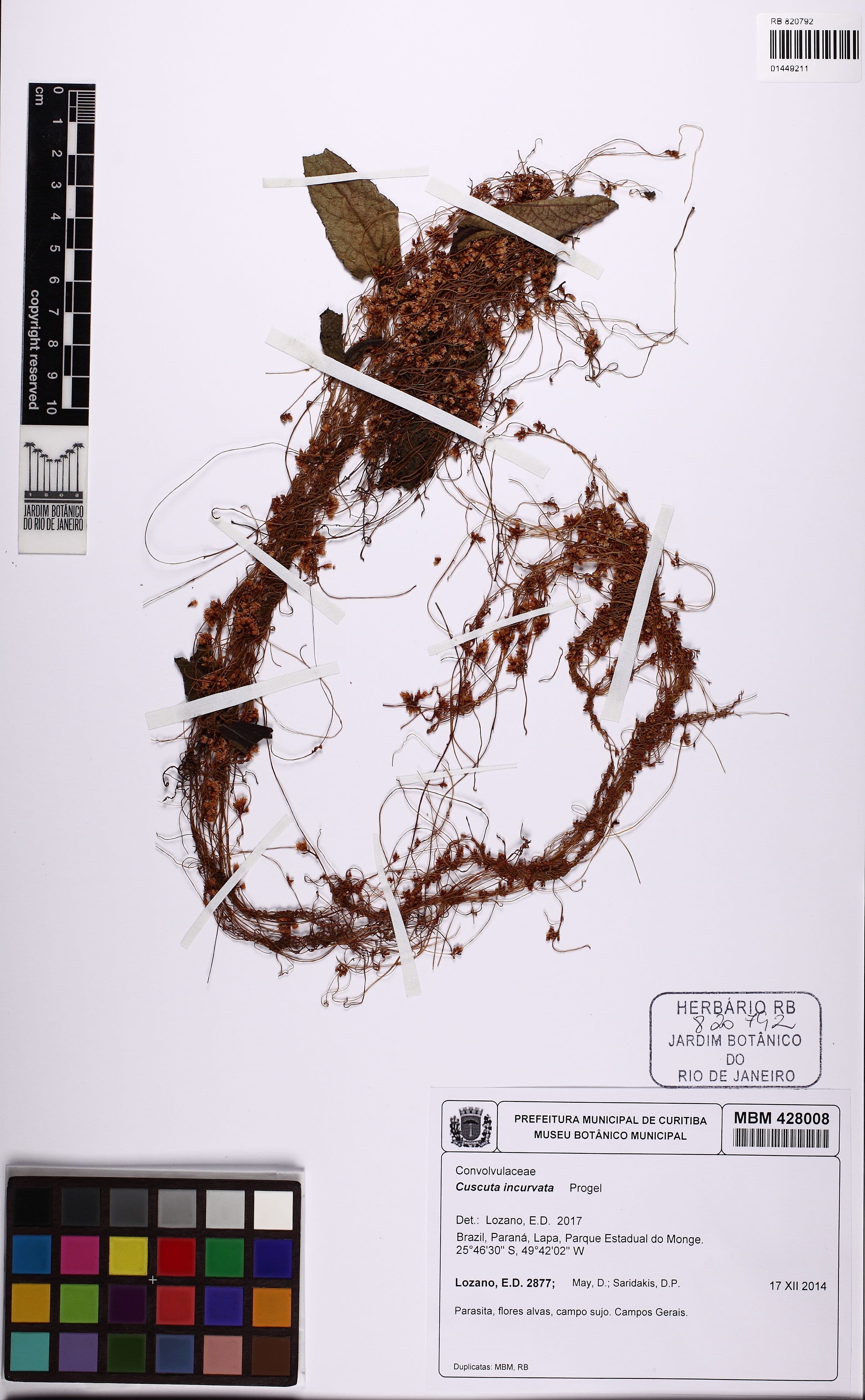
A parasitic annual vine characterized by its slender, leafless, yellowish-orange to reddish stems that twine tightly around host plants. It produces clusters of small, white to pinkish, bell-shaped flowers along its stems.