Cestrum buxoides
Image: Conveyor Belt (cc0)
NameCestrum buxoides
Scientific NameCestrum buxoides Ekman ex Urb.
Plant FamilySolanaceae
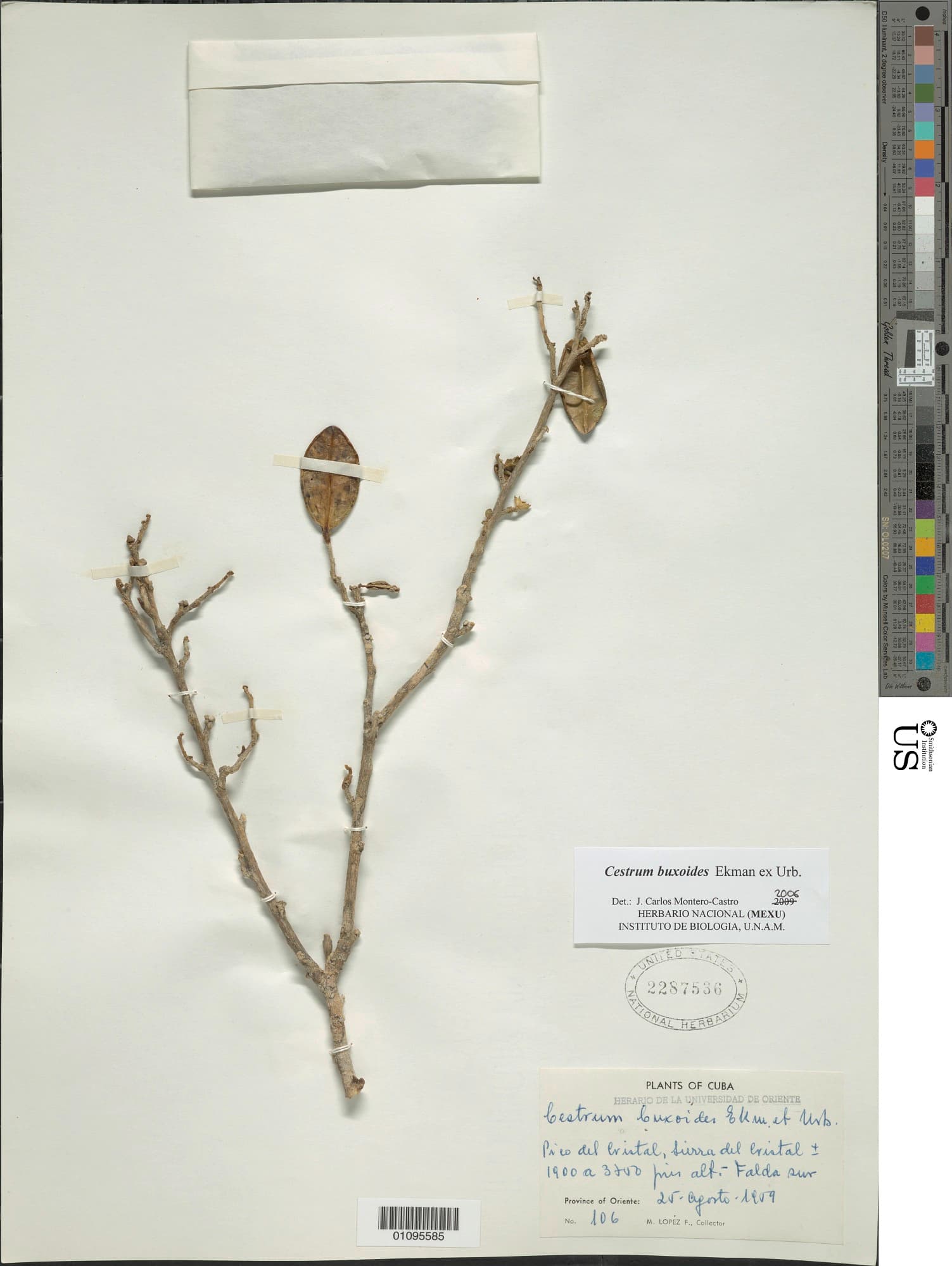
Natural HabitatEndemic to Cuba, specifically found in montane regions like the Sierra del Cristal, at elevations between approximately 1900 to 3700 feet (580-1130 meters) on south-facing slopes.
Parts Usedleaf
Medicinal Actionsantimicrobial
Traditional UsesSpecific traditional medicinal uses for Cestrum buxoides are not well-documented. The genus Cestrum is generally known for containing toxic compounds, and many species are considered poisonous, particularly to livestock. While some Cestrum species have shown in vitro antimicrobial activity, there is no evidence of safe traditional human medicinal use for C. buxoides.
Active Constituentssteroidal saponins, calcinogenic glycosides, alkaloids
Preparation Methodsinfusion
Contraindications & WarningsCestrum buxoides, like many species in the genus Cestrum, is presumed to be toxic. Ingestion can cause severe poisoning, potentially affecting the digestive and nervous systems, and leading to hypercalcemia due to calcinogenic glycosides. It should not be used internally or externally without expert guidance due to high toxicity risk.
Cultivation NotesAs a tropical montane species, Cestrum buxoides would likely prefer well-drained soil, consistent moisture, and a warm, humid climate. It would require conditions mimicking its native Cuban mountain habitat.
Rarityuncommon
Description
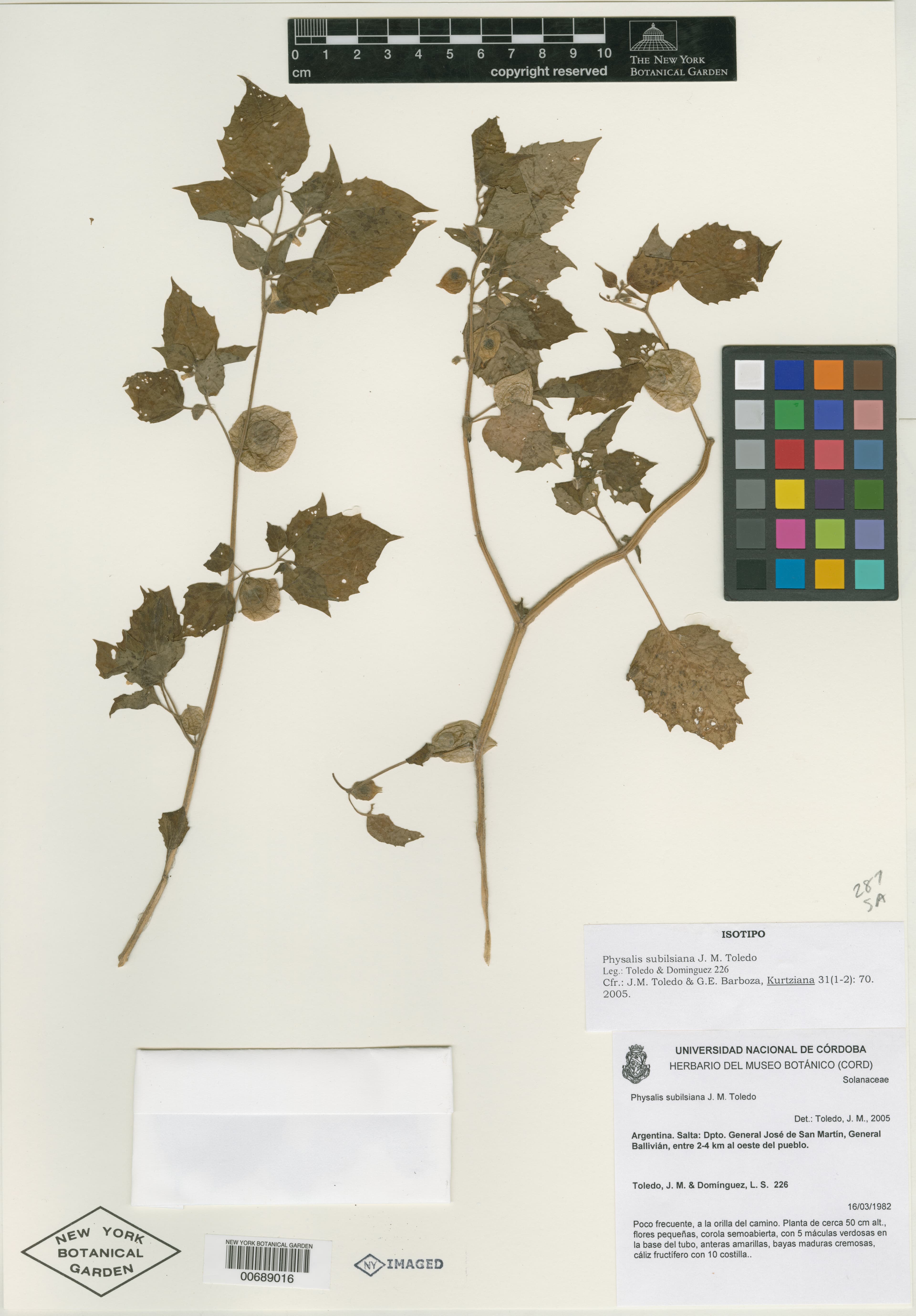
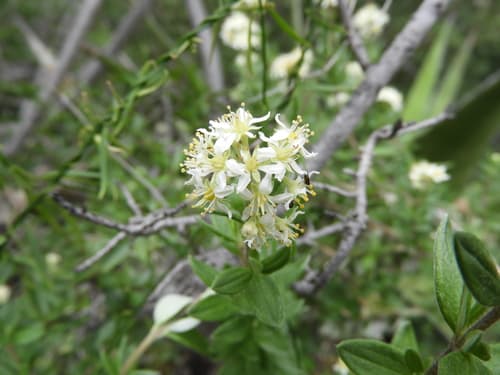
Cestrum buxoides is a woody shrub or small tree, characterized by simple, alternate, ovate to elliptic leaves. The herbarium specimen shows a dried branch with sparse foliage, typical of a woody plant.