Fumitory
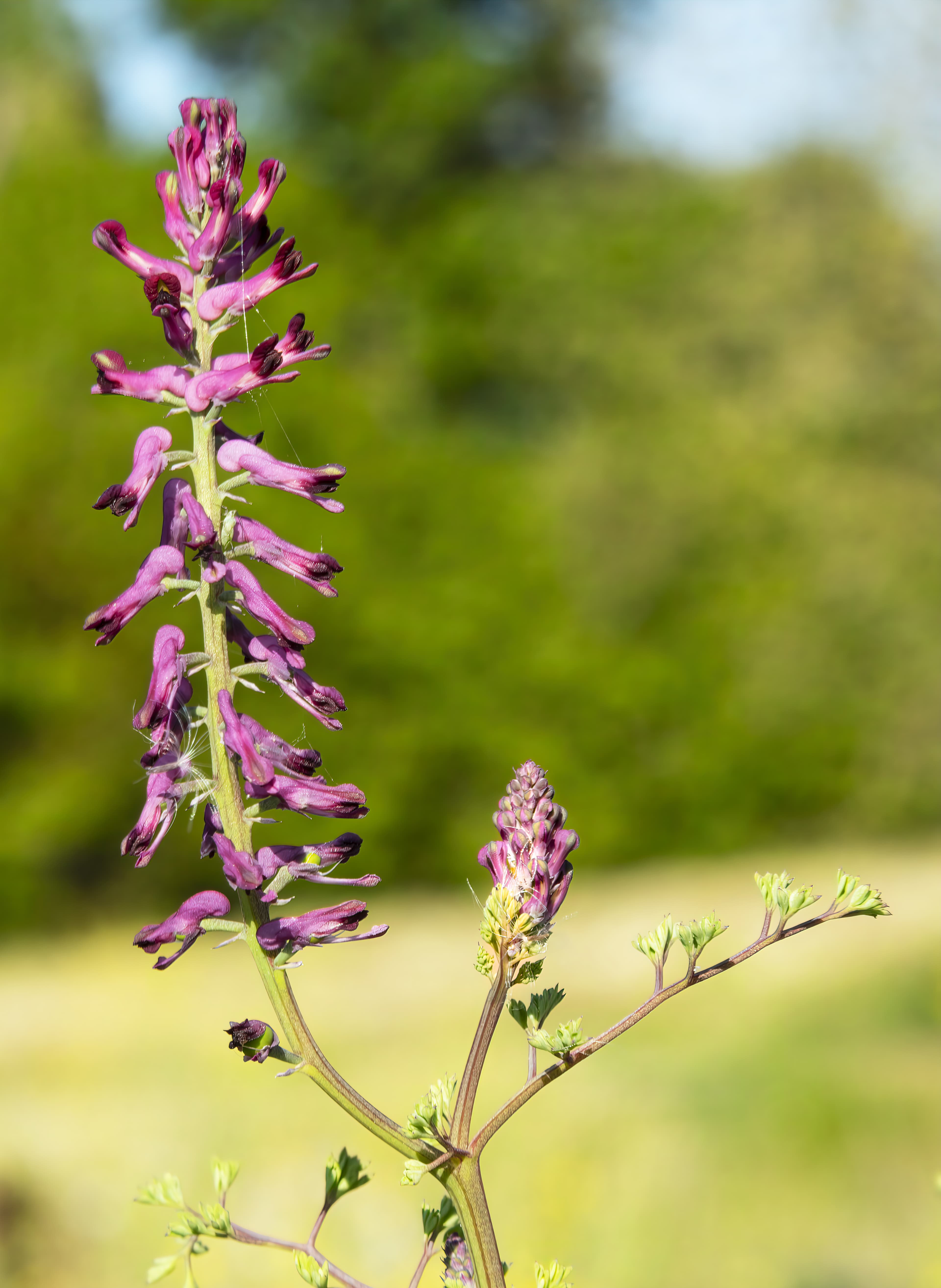
Image: Didier Descouens (CC BY-SA 4.0)
NameFumitory
Scientific NameFumaria officinalis
Common NamesFumitory, Common Fumitory, Drug Fumitory
Plant FamilyPapaveraceae
Natural HabitatCommonly found as a weed in cultivated fields, gardens, disturbed ground, waste places, and along roadsides throughout temperate regions. It prefers well-drained, nitrogen-rich soils.
Parts Usedwhole_plant,leaf,flower
Medicinal Actionsanti-inflammatory, antioxidant, antimicrobial
Traditional UsesTraditionally used to support liver and gallbladder function, particularly for conditions like jaundice and sluggish digestion. It has also been widely employed for various skin conditions such as eczema, psoriasis, and acne, often referred to as a 'blood purifier'.
Active ConstituentsAlkaloids (e.g., protopine, fumarine, cryptopine, sanguinarine), Flavonoids, Phenolic acids
Preparation Methodsinfusion, decoction, tincture, powder
Contraindications & WarningsNot recommended during pregnancy or lactation. Should be avoided by individuals with bile duct obstruction or severe liver disease. May interact with certain medications, especially those affecting liver enzymes.
Cultivation NotesAn annual plant that readily self-seeds. It thrives in full sun to partial shade and prefers well-drained soil. Often considered a weed, it requires little specific cultivation.
Raritycommon
Description
Fumitory is a delicate annual herb characterized by its sprawling habit, finely dissected, grey-green leaves, and erect racemes of small, tubular, purplish-pink flowers with a distinctive spur. The flowers often have darker tips and appear in spring and summer.