Autumn Mandrake
NameAutumn Mandrake
Scientific NameMandragora autumnalis
Common NamesAutumn Mandrake, Mandrake, Mediterranean Mandrake
Plant FamilySolanaceae
Natural HabitatNative to the Mediterranean region, including Southern Europe, North Africa, and the Middle East. It thrives in disturbed ground, olive groves, vineyards, and open woodlands, preferring well-drained, fertile soil.
Parts Usedroot
Medicinal Actionsanalgesic, sedative, anti-inflammatory
Traditional UsesHistorically used as a powerful sedative, analgesic, and anesthetic, particularly in ancient surgery. It was also employed as a purgative, emetic, and for treating insomnia, convulsions, and rheumatic pains. Due to its potent psychoactive and toxic properties, it was deeply intertwined with magic, folklore, and rituals, believed to possess aphrodisiac qualities and protect against evil.
Active Constituentshyoscyamine, scopolamine, atropine
Preparation Methodsdecoction, tincture, poultice
Contraindications & WarningsEXTREMELY TOXIC. All parts of the plant, especially the root, are poisonous and can cause severe anticholinergic poisoning, leading to hallucinations, delirium, tachycardia, and potentially death. Contraindicated in pregnancy, breastfeeding, children, and individuals with heart conditions, glaucoma, or prostate enlargement. Not for self-medication and interacts with other anticholinergic drugs.
Cultivation NotesPrefers full sun to partial shade and well-drained, fertile soil. Can be grown from seed, though germination can be slow and erratic. Requires a deep pot or garden bed to accommodate its large taproot and is hardy in Mediterranean climates.
Rarityuncommon
Description
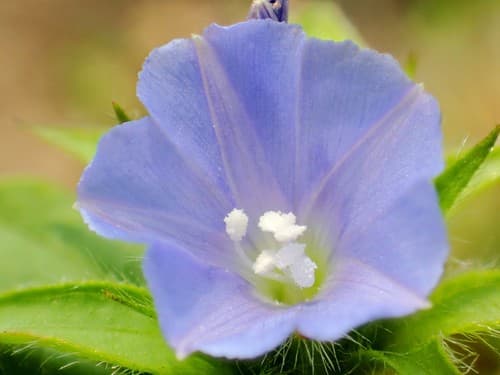
A perennial herbaceous plant characterized by a large, often forked taproot and a rosette of large, crinkled, dark green leaves. It produces clusters of bell-shaped, purplish-blue flowers directly from the center of the leaf rosette, followed by yellow-orange berries.