Cuscuta bella
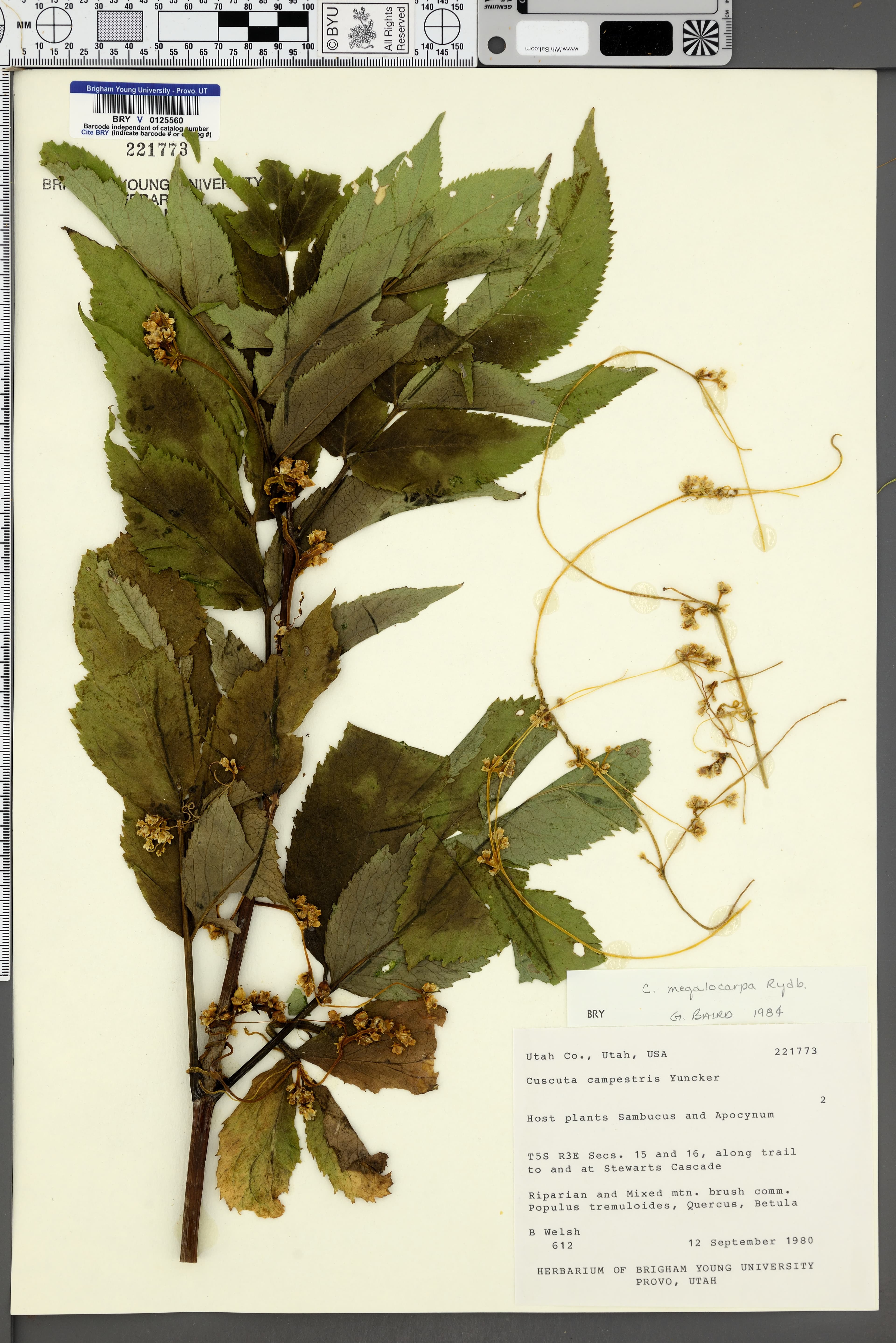
Image: B. Welsh (cc-by-nc)
NameCuscuta bella
Scientific NameCuscuta bella
Common NamesDodder, Bell Dodder
Plant FamilyConvolvulaceae
Natural HabitatAs a parasitic plant, Cuscuta bella is found in habitats where its host plants thrive, such as riparian zones and mixed mountain brush communities. It parasitizes a variety of woody and herbaceous plants, including species of Sambucus, Apocynum, Populus, Quercus, and Betula.
Parts Usedwhole_plant,seed
Medicinal Actionsadaptogen, antioxidant, diuretic, anti-inflammatory
Traditional UsesTraditionally, various Cuscuta species, particularly their seeds (known as Tu Si Zi in Traditional Chinese Medicine), have been used to tonify kidney yang, benefit essence and marrow, nourish liver yin, and improve vision. It is applied for conditions such as impotence, premature ejaculation, frequent urination, lower back pain, and blurred vision.
Active Constituentsflavonoids, lignans, polysaccharides, saponins
Preparation Methodsinfusion, decoction, powder, tincture
Contraindications & WarningsAvoid during pregnancy and in cases of yin deficiency with heat signs, constipation, or difficult urination. Consult a healthcare professional before use, especially if on other medications.
Cultivation NotesCuscuta bella is a parasitic plant that cannot be cultivated independently. It requires a host plant to survive, germinating from seed and then attaching to a suitable host, subsequently losing its root connection to the soil. It is generally considered an agricultural weed.
Raritycommon
Description
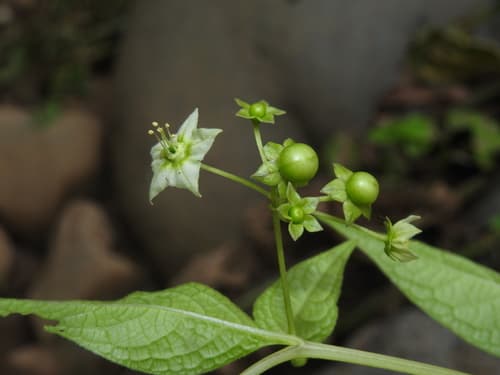
Cuscuta bella is a parasitic annual vine characterized by its slender, leafless, yellowish-orange stems that twine tightly around host plants. It produces small, clustered, bell-shaped flowers, typically white or cream, and lacks chlorophyll, relying entirely on its host for nutrients.