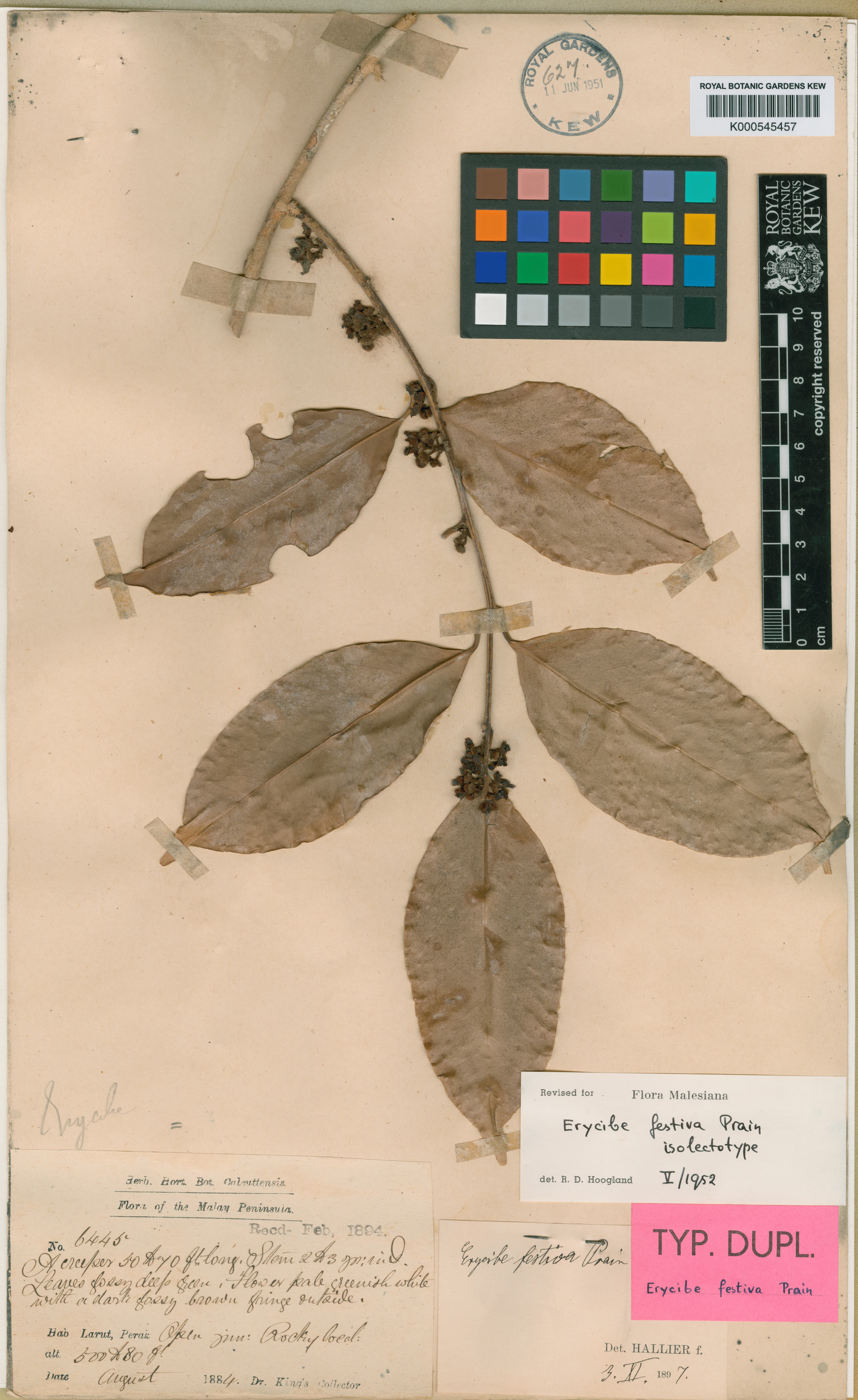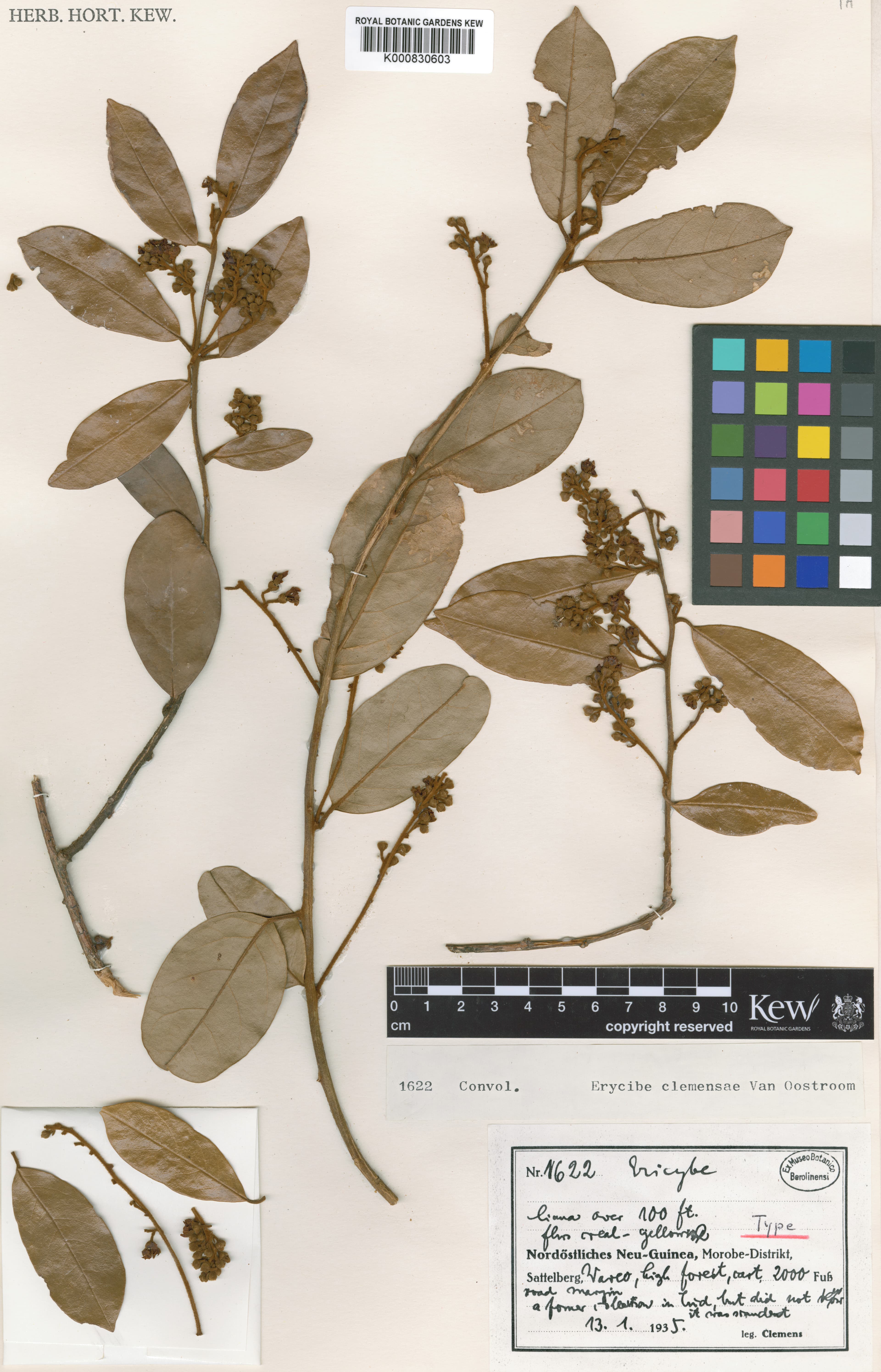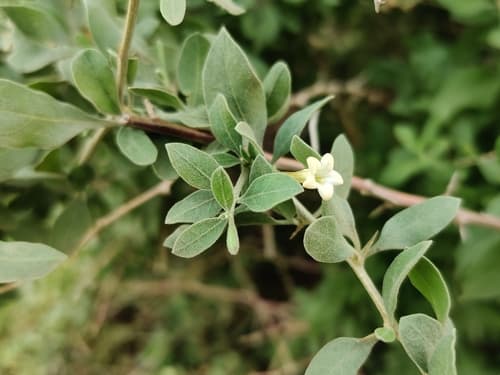
Fringed Dodder
NameFringed Dodder
Scientific NameCuscuta gronovii
Common NamesFringed Dodder, Common Dodder, Swamp Dodder
Plant FamilyConvolvulaceae
Natural HabitatFound in moist to wet environments such as swamps, marshes, stream banks, and disturbed areas, where it parasitizes a wide variety of herbaceous and woody plants. It is native to North America.
Parts Usedwhole_plant,seed
Medicinal Actionsdiuretic, astringent, antioxidant
Traditional UsesTraditionally, some Native American tribes used Fringed Dodder as a general tonic, a diuretic, and for liver and gallbladder complaints. Other *Cuscuta* species are widely used in Traditional Chinese Medicine for kidney and liver support, addressing issues like impotence, frequent urination, and blurred vision.
Active ConstituentsFlavonoids, Lignans, Polysaccharides
Preparation Methodsinfusion, decoction, powder
Contraindications & WarningsDue to its parasitic nature and lack of extensive human clinical trials for *Cuscuta gronovii* specifically, caution is advised. General dodder contraindications include pregnancy and cases of spleen deficiency with loose stools.
Cultivation NotesFringed Dodder is a parasitic plant that cannot be cultivated independently; it requires a host plant to survive. It is generally considered a weed rather than a cultivated medicinal herb.
Raritycommon
Description
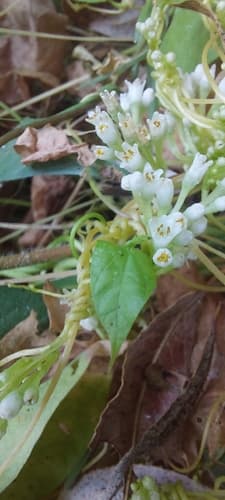
Fringed Dodder is an annual, parasitic vine characterized by its slender, yellowish-orange, leafless stems that twine tightly around host plants. It produces clusters of small, white, bell-shaped flowers with distinctively fringed calyx lobes.