Littlebell
NameLittlebell
Scientific NameIpomoea triloba
Common NamesLittlebell, Aiea morning glory, Three-lobed morning glory, Pink morning glory
Plant FamilyConvolvulaceae
Natural HabitatNative to tropical and subtropical regions of the Americas, Littlebell is now a widespread weed found in disturbed sites, agricultural fields, roadsides, and open woodlands across many tropical and subtropical areas worldwide.
Parts Usedleaf,root,whole_plant
Medicinal Actionsanti-inflammatory, antioxidant, diuretic
Traditional UsesIn traditional medicine systems, various parts of *Ipomoea triloba* have been used, often for their purgative properties to relieve constipation. It has also been traditionally applied for certain skin ailments and as a diuretic to promote urine flow.
Active ConstituentsResin glycosides, Flavonoids, Phenolic compounds
Preparation Methodsinfusion, decoction, powder
Contraindications & WarningsDue to potential purgative effects, caution is advised for pregnant or breastfeeding women, individuals with gastrointestinal issues, or those on medications that could interact with laxatives. Large doses may cause severe gastrointestinal upset.
Cultivation NotesThis vigorous vine thrives in full sun to partial shade and well-drained soil, preferring warm climates. It is easily propagated by seed and can become invasive if not managed, due to its rapid growth and prolific seeding.
Raritycommon
Description
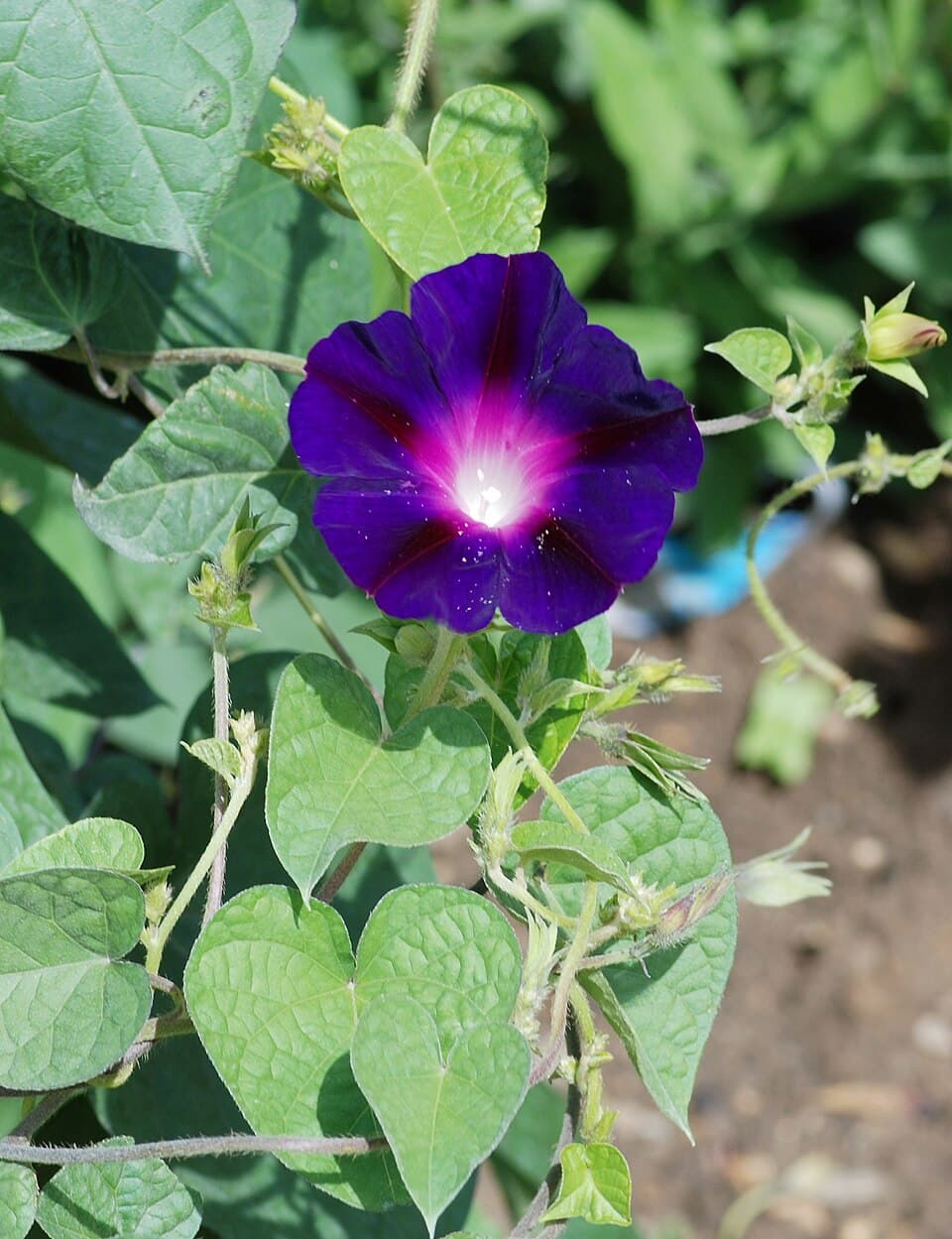
Littlebell is a fast-growing, herbaceous annual or perennial vine characterized by slender stems and typically three-lobed leaves. It produces small, funnel-shaped flowers, usually light purple to pink with a darker purple throat, which typically open in the morning.