Solanum microdontum
NameSolanum microdontum
Scientific NameSolanum microdontum
Common NamesWild Potato, Papa Silvestre
Plant FamilySolanaceae
Natural HabitatNative to South America (Bolivia, Peru, Argentina, Paraguay, Uruguay, Brazil), it thrives in diverse habitats including grasslands, disturbed areas, roadsides, agricultural fields, and forest margins, often at moderate to high altitudes.
Parts Usedtuber,leaf
Medicinal Actionsanti-inflammatory, antimicrobial, antioxidant
Traditional UsesPrimarily known as a wild relative of the cultivated potato, its tubers are traditionally consumed after extensive processing (e.g., boiling, roasting, fermentation) to reduce toxic glycoalkaloid content. While some *Solanum* species are used externally for minor skin ailments, direct internal medicinal use of *S. microdontum* is not widely documented and is highly discouraged due to its inherent toxicity.
Active Constituentssteroidal glycoalkaloids (e.g., solanine, chaconine, solamargine, solasonine), flavonoids, phenolic compounds
Preparation Methodsdecoction, poultice
Contraindications & WarningsAll parts of Solanum microdontum, especially unripe fruits and leaves, contain high levels of toxic steroidal glycoalkaloids. Ingestion can cause severe gastrointestinal upset, neurological symptoms, and can be fatal. Avoid internal use. Not recommended for pregnant or lactating individuals. Exercise extreme caution with any external application.
Cultivation NotesThis species prefers temperate climates, well-drained soil, and full sun to partial shade. It is relatively tolerant of various soil types and can be propagated by seeds or tubers.
Raritycommon
Description
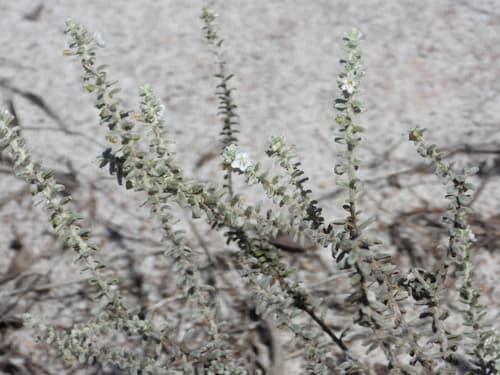
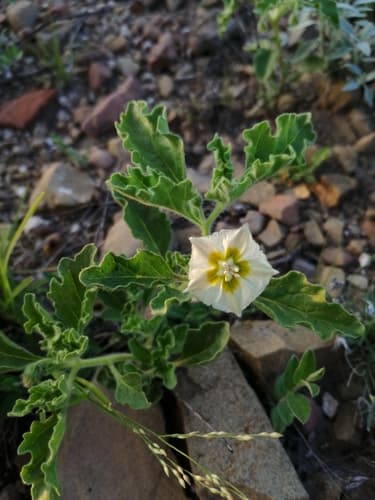
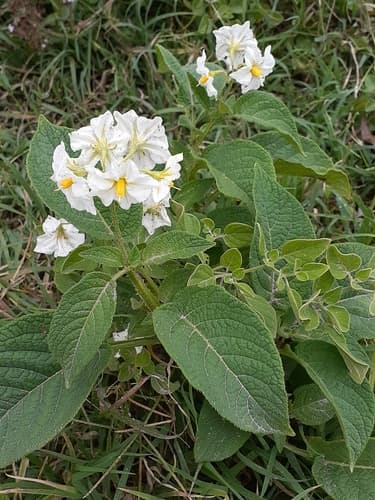
Solanum microdontum is a herbaceous perennial wild potato species, typically growing up to 1 meter tall. It features ovate to lanceolate, often hairy leaves and clusters of white flowers with prominent yellow anthers, producing small green berries.