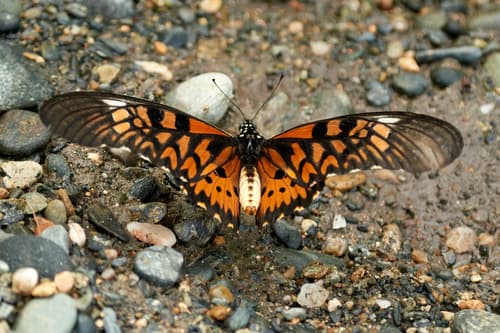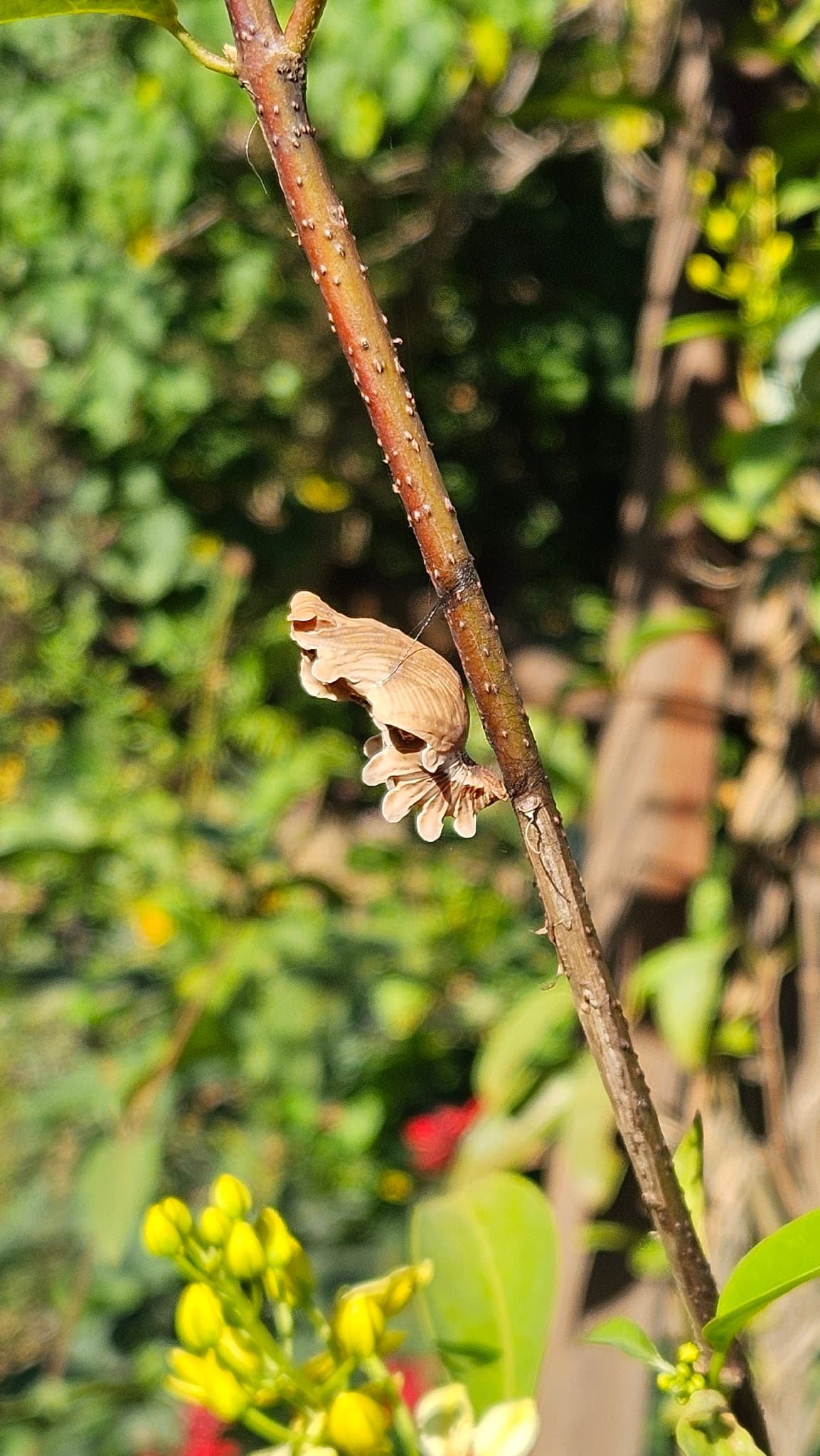
Pachliopta goniopeltis
Image: lokechin (cc-by-nc)
NamePachliopta goniopeltis
Scientific NameAristolochia spp.
Common NamesBirthwort, Dutchman's Pipe, Pipevine
Plant FamilyAristolochiaceae
Natural HabitatFound globally in tropical and temperate regions, typically growing in woodlands, forests, and disturbed areas. Specific habitat requirements vary widely among the numerous species within the genus.
Parts Usedroot,whole_plant
Medicinal Actionsanti-inflammatory, diuretic
Traditional UsesHistorically, various Aristolochia species were used in traditional medicine for conditions such as snake bites, skin ailments, and as an abortifacient. However, due to severe toxicity, particularly aristolochic acid nephropathy and carcinogenicity, its medicinal use is now widely condemned and illegal in many parts of the world.
Active ConstituentsAristolochic acids, Aristolactams, Flavonoids
Preparation Methodsdecoction, powder
Contraindications & WarningsEXTREMELY toxic and carcinogenic. Aristolochic acids cause irreversible kidney damage (aristolochic acid nephropathy) and are potent carcinogens, leading to urinary tract cancers. Absolutely contraindicated for internal use; external use also carries significant risks of absorption and toxicity. Avoid all contact without expert guidance.
Cultivation NotesCultivated primarily as ornamental plants for their unique flowers and foliage, or as host plants for butterflies like Pachliopta species. They generally prefer well-drained soil and can thrive in partial shade to full sun depending on the species. Propagation is typically by seed or cuttings.
Raritycommon
Description
Aristolochia species are a diverse genus of herbaceous perennials, shrubs, or woody vines, often recognized by their heart-shaped leaves and unique, often pipe-shaped flowers. These flowers are adapted to trap insects for pollination. Many species contain highly toxic aristolochic acids.