Cestrum sessiliflorum
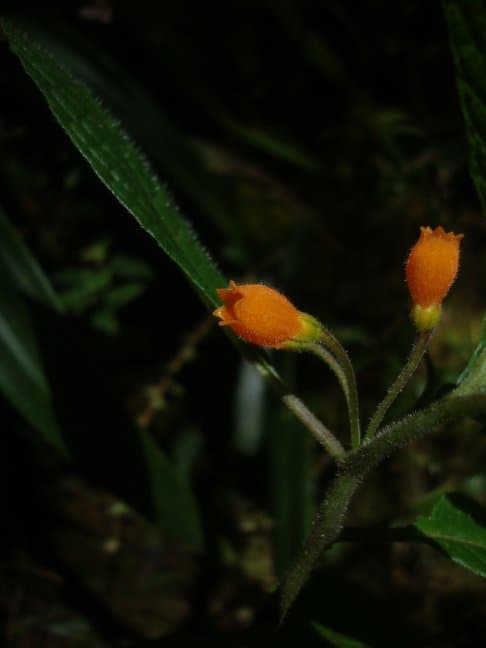
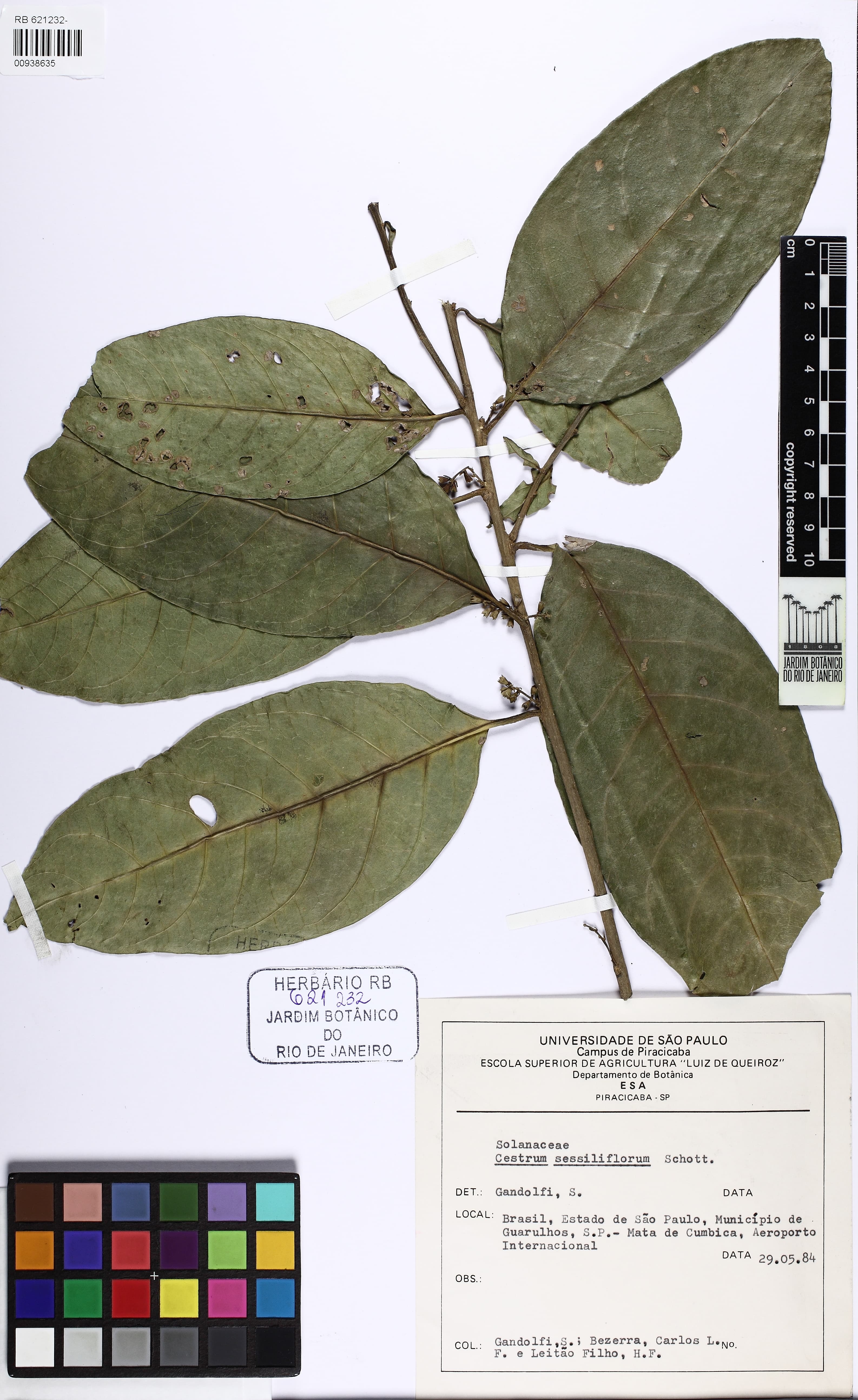
Image: S. Gandolfi; C.L.F. Bezerra; H.F. Leitão Filho (cc-by)
NameCestrum sessiliflorum
Scientific NameCestrum sessiliflorum Schott ex Sendtn.
Plant FamilySolanaceae
Natural HabitatNative to tropical and subtropical regions of Brazil, specifically documented in forest areas like Mata de Cumbica in São Paulo. It thrives in warm climates.
Parts Usedleaf,flower,whole_plant
Medicinal Actionsanalgesic, anti-inflammatory
Traditional UsesSpecific traditional medicinal uses for Cestrum sessiliflorum are not well-documented. The genus Cestrum is generally known for containing toxic compounds, and while some species have been traditionally used with extreme caution for conditions like pain or inflammation, internal use is often discouraged due to potential poisoning.
Active ConstituentsAlkaloids, saponins, glycosides
Preparation Methodspoultice
Contraindications & WarningsAll parts of Cestrum species are generally considered toxic due to alkaloid content. Contraindications include pregnancy, lactation, children, and individuals with liver or kidney conditions. Ingestion can cause gastrointestinal upset, neurological symptoms, and potentially severe poisoning.
Cultivation NotesCestrum sessiliflorum is likely a shrub or small tree that prefers warm, tropical to subtropical climates. It would typically require well-drained soil and can tolerate full sun to partial shade, similar to other Cestrum species.
Rarityuncommon
Description
This specimen displays a woody stem with alternate, simple, entire-margined leaves, typically ovate to elliptic in shape with prominent venation. Small, sessile or nearly sessile flower buds or remnants are visible in the leaf axils along the stem.