Elecampane
Image: mantis203 (cc-by-nc)
NameElecampane
Scientific NameInula helenium
Common NamesElecampane, Horse-heal, Scabwort, Elfwort, Wild Sunflower
Plant FamilyAsteraceae
Natural HabitatNative to Europe and Asia, Elecampane thrives in moist, well-drained soils. It is commonly found in meadows, pastures, roadsides, and woodland edges, preferring full sun to partial shade.
Parts Usedroot
Medicinal Actionsexpectorant, antimicrobial, anti-inflammatory, demulcent, carminative
Traditional UsesTraditionally, Elecampane root has been highly valued as a powerful expectorant for various respiratory conditions, including bronchitis, asthma, and persistent coughs, aiding in the expulsion of phlegm. It was also historically used to support digestive health, as an anthelmintic to expel intestinal worms, and applied topically for certain skin ailments.
Active ConstituentsInulin, Alantolactone, Isoalantolactone, Helenalin, Volatile oils, Mucilage, Triterpenes
Preparation Methodsdecoction, tincture, powder
Contraindications & WarningsElecampane should be avoided during pregnancy and breastfeeding. Individuals with allergies to plants in the Asteraceae family (e.g., ragweed, daisies) may experience allergic reactions. High doses of alantolactone can be irritating. Consult a healthcare professional before use, especially if taking other medications.
Cultivation NotesThis plant prefers full sun to partial shade and moist, well-drained, fertile soil. It can be propagated from seed or by root division. The medicinal roots are typically harvested in the autumn of the second or third year of growth.
Raritycommon
Description
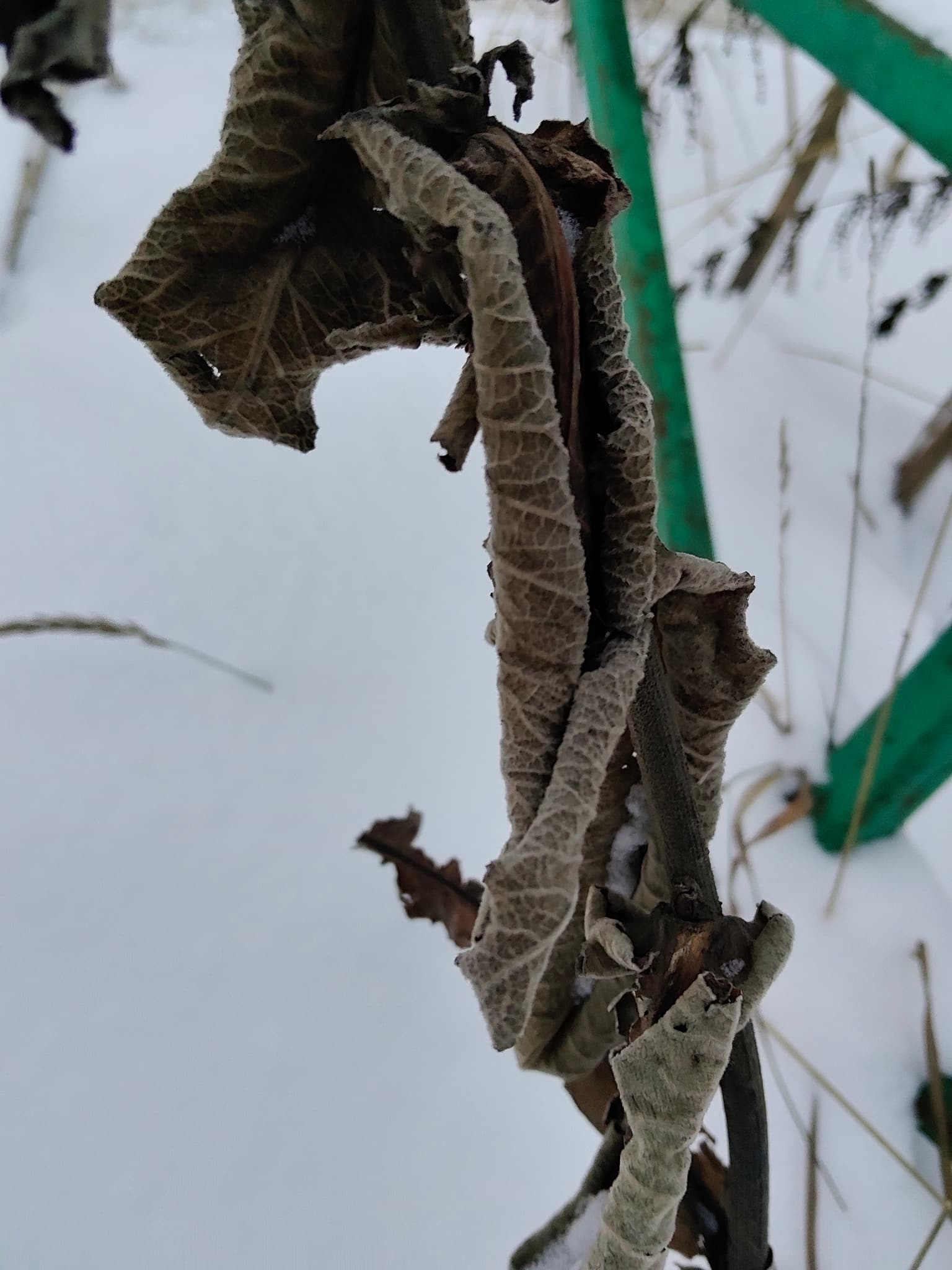
Elecampane is a robust perennial herb that can grow up to 2.5 meters tall, featuring large, ovate to lanceolate basal leaves that are distinctly woolly on their undersides. It produces striking yellow, daisy-like flowers in late summer and possesses a thick, fleshy, aromatic rootstock.