Cuscuta haughtii
NameCuscuta haughtii
Scientific NameCuscuta haughtii
Common NamesDodder, Haught's Dodder
Plant FamilyConvolvulaceae
Natural HabitatNative to Peru, Cuscuta haughtii is found parasitizing various herbaceous plants in disturbed areas, fields, and roadsides, often thriving in arid or semi-arid regions.
Parts Usedwhole_plant,seed
Medicinal Actionsadaptogen, anti-inflammatory, antioxidant, diuretic
Traditional UsesIn traditional medicine, various Cuscuta species, including those with similar properties to C. haughtii, are used as a general tonic, for liver and kidney disorders, to improve vision, enhance fertility and sexual function, and to treat skin conditions. It is often employed to strengthen the body and address deficiencies.
Active ConstituentsFlavonoids, Lignans, Polysaccharides, Coumarins, Alkaloids
Preparation Methodsinfusion, decoction, powder
Contraindications & WarningsCuscuta species are generally contraindicated during pregnancy and lactation. Individuals with qi deficiency or severe constipation should use with caution. Potential interactions with blood-thinning medications or other drugs due to diuretic or other effects should be considered.
Cultivation NotesCuscuta haughtii is a parasitic plant that cannot be cultivated independently, as it requires a suitable host plant to germinate and grow. It is generally considered an agricultural pest, making intentional cultivation challenging and often undesirable.
Rarityuncommon
Description
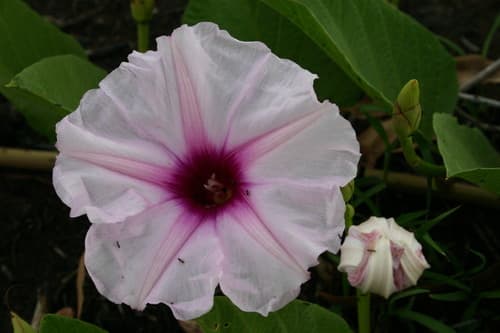
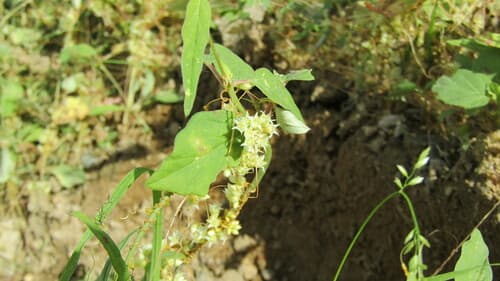
Cuscuta haughtii is a parasitic annual vine characterized by its slender, yellowish or reddish, leafless stems that twine around host plants. It produces clusters of small, whitish to pale yellow, star-shaped flowers, typically with a spiky appearance due to persistent sepals or bracts. Lacking chlorophyll, it obtains nutrients from its host via haustoria.